What matters when choosing?
Plan the lunch first, then decide whether a packaged snack has a place in it. An organic claim, an age label and a nursery’s food policy answer different questions.
| Priority | What to check | Your needs |
|---|
| The lunch as a whole |
Plan a varied meal rather than treating a protein figure as a lunch plan. NHS nursery-lunch examples include sandwich fillings, fruit and yoghurt. |
I need a practical lunch for a young child, not an adult sports snack in place of the meal. |
| Nursery rules and allergens |
Ask about packed-lunch and nut restrictions. Read the exact product’s ingredients and allergen information, and tell the nursery about your child’s food allergy. |
A convenient pack is only useful to me if my child can have it and the nursery accepts it. |
| Ingredients and texture |
Check the exact snack for whole nuts or whole seeds and consider its texture for your child. Department for Education food-safety guidance says not to give whole nuts or whole seeds to children under five. |
Before packing a bar or puff, I want to know what is in it and whether my child can manage it. |
| Organic labelling |
Check the product’s organic labelling and certification. Under UK rules described by the Department for Environment, Food & Rural Affairs, food labelled organic must meet production rules, have at least 95% organic agricultural ingredients and involve certified operators. |
If I am choosing organic, I want the claim to relate to the product itself; I will still check its nursery suitability separately. |
Relevant brand references
These ranges help distinguish adult protein bars from the nursery-lunch decision; a brand’s inclusion here does not establish that a particular product is suitable for a child.
BodyMe
BodyMe markets its vegan protein bars for on-the-go and workout occasions and describes them as organic.
- The brand describes its range as using organic ingredients.
- Adult-use positioning does not establish nursery suitability. Check the exact variant’s ingredients, texture and the nursery’s rules before considering it.
Grenade
Grenade markets a range of adult protein bars, describing them as high in protein and low in sugar.
- The range provides an example of the adult protein-bar category parents may encounter.
- Those marketing claims do not establish organic status or suitability for a nursery lunch.
Myprotein
Myprotein lists protein bars alongside other sports-nutrition snacks, including cookies and wafers.
- The range shows why the type of snack matters as well as the brand name.
- Check an individual product’s organic claim, ingredients and intended use rather than applying a range-wide assumption.
Packaged snack options on Joybuy
These are packaged snacks labelled for babies or toddlers, rather than adult protein bars or replacements for a nursery lunch. Check the exact pack’s organic claim, age guidance and allergen information, and confirm that the nursery accepts it.
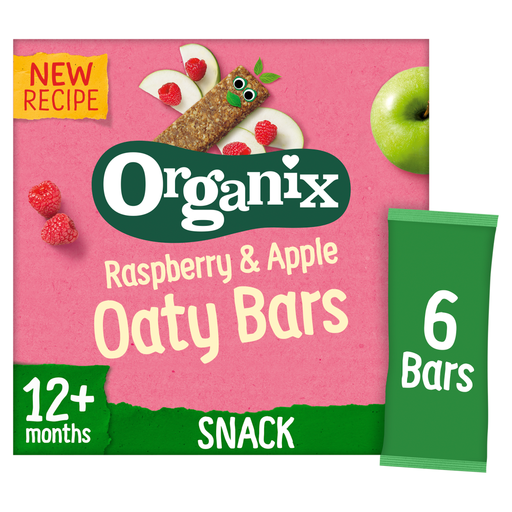 Image unavailable
Organix Raspberry & Apple Soft Oaty Bars 12+ Months, 6 x 23g
A packaged oaty snack labelled for children aged 12 months and over, not a protein bar or a whole lunch. Check the exact pack’s organic claim, allergens and suitability under the nursery’s food policy.
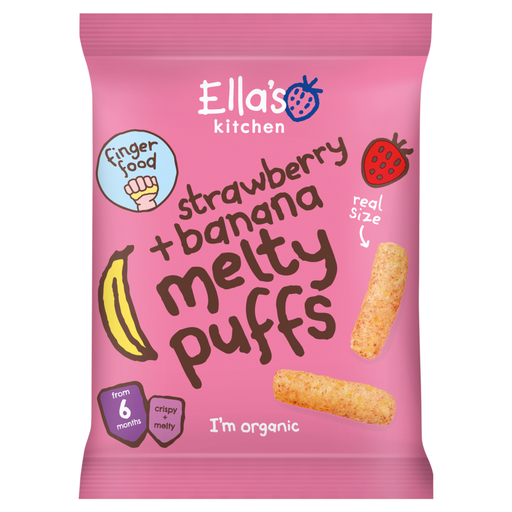 Image unavailable
Ella's Kitchen Organic Strawberry & Banana Melty Puffs, 6+ Months, 20g
Organic-labelled puffs for children aged 6 months and over, rather than a bar or a lunch component on their own. Check the exact pack’s allergen information and the nursery’s snack rules.
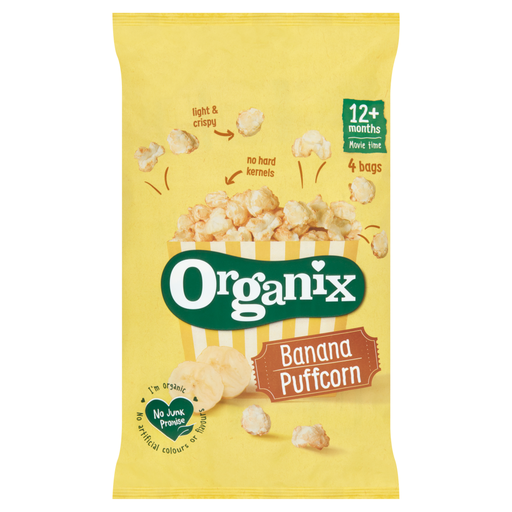 Image unavailable
Organix Banana Puffcorn 12+ Months, 4×10g
A puffcorn snack labelled for children aged 12 months and over, not an adult protein bar or a whole lunch. Check its ingredients, organic claim and the nursery’s policy for packaged snacks.
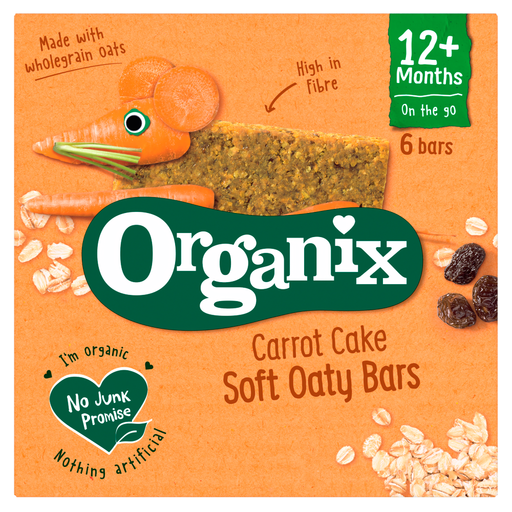 Image unavailable
Organix Carrot Cake Soft Oaty Bars 12+ Months, 138g
An oaty snack bar labelled for children aged 12 months and over, rather than an adult protein bar. Read the exact pack for allergens and organic labelling, and check whether the nursery permits it.
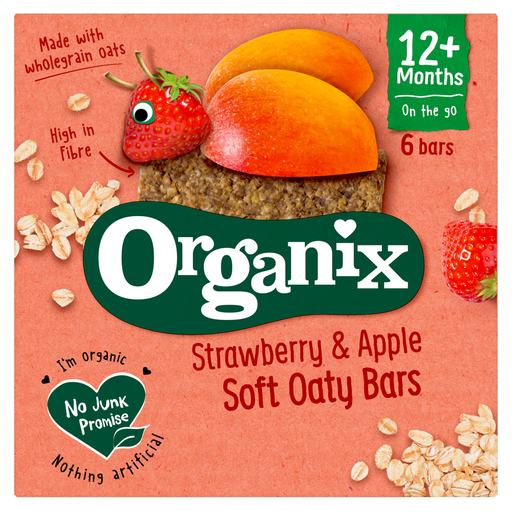 Image unavailable
Organix Strawberry & Apple Soft Oaty Bars 12+ Months, 6 x 23g
Oaty snack bars labelled for children aged 12 months and over, in a different flavour from the raspberry and apple pack. They are not a protein-bar substitute for lunch; check this flavour’s allergens, organic claim and the nursery’s rules.
Nursery lunch questions
Should an organic protein bar be a routine nursery lunch?
No: use a varied lunch rather than an adult protein bar as the everyday meal. NHS nursery-lunch guidance gives examples such as sandwiches, fruit and yoghurt. An organic or protein claim does not establish that a bar can replace those foods.
Does “organic” tell me whether a bar suits a child under five?
No. The Department for Environment, Food & Rural Affairs explains that UK organic labelling concerns production rules, including a requirement for at least 95% organic agricultural ingredients in food labelled organic and certification of the relevant operators. You still need to check the bar’s ingredients, texture and nursery acceptability.
What should I ask the nursery before packing a bar?
Ask whether its packed-lunch policy permits the snack and whether it restricts nuts or other ingredients. Tell the nursery about your child’s food allergy, and compare its rules with the ingredient and allergen information on the exact pack.
Which ingredients need particular attention for children under five?
Check for whole nuts and whole seeds: Department for Education food-safety guidance says not to give either to children under five. Also assess the exact snack’s texture for your child rather than assuming every bar has the same consistency.
Does England’s early-years nutrition guidance apply throughout the UK?
No. The Department for Education’s Early Years Foundation Stage nutrition guidance applies to providers in England. For a nursery elsewhere in the UK, check the setting’s policy and the guidance applicable there rather than treating the England-specific framework as a UK-wide rule.


