What should you check?
Start with when you plan to eat the rice cakes, then compare the portion you would use with the pack’s carbohydrate and allergen information.
| Priority | What to check | Your needs |
|---|
| Carbohydrate portion |
Read carbohydrate per cake and per 100 g. Kallo lists 5.6 g per Organic Lightly Salted cake and 82.3 g per 100 g. |
For a long run, I need to know how many cakes my planned carbohydrate intake would involve—and whether I could carry and eat them. |
| Organic label |
Check the exact pack for its organic claim and ingredients. UK organic labelling requires applicable production rules and certification, according to the Department for Environment, Food & Rural Affairs. |
Organic certification matters to me, but I will judge the food’s role in training separately. |
| Timing and tolerance |
Try the exact cake, portion and any topping during training. The UK Sports Institute notes that athletes differ in when they eat before running. |
I want a pre-run snack I can fit into my own routine, rather than trying a new food on race day. |
| Allergen information |
Read the current pack even if it says gluten free. Kallo’s Organic Lightly Salted and Organic Unsalted pages both warn that the products may contain milk, sesame and soya. |
If one of those allergens matters to me, a gluten-free claim does not settle whether this product is suitable. |
| Post-run pairing |
Consider what accompanies the rice cakes. The UK Sports Institute discusses carbohydrate- and protein-containing food after a run. |
After training, I may want a rice-cake base with a protein-containing food rather than plain cakes on their own. |
Organic rice cakes on Joybuy
This lightly salted organic option fits a plain training snack or topping; its per-cake carbohydrate amount is also important if you are considering it for a long run.
 No image available
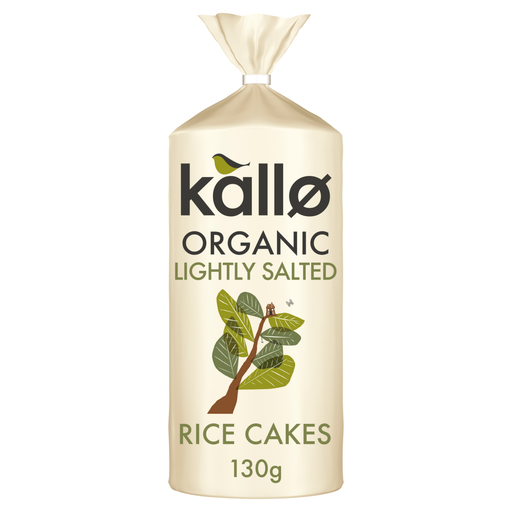
Kallo Organic Lightly Salted Rice Cakes 130g
A plain snack or topping base for training days, rather than a convenient sole fuel for a long run. Kallo states 5.6 g carbohydrate per cake. Its product information warns that the cakes may contain milk, sesame and soya; check the current pack if an allergen affects your choice.
View on Joybuy
Questions about training with rice cakes
Does organic make a rice cake better marathon fuel?
No performance advantage follows from the organic label itself. The Department for Environment, Food & Rural Affairs describes UK organic production and certification requirements; for running, also consider the carbohydrate in your portion and whether the food suits your routine.
Could I eat an organic rice cake before a run?
It can be a pre-run snack if the portion and timing suit you. The UK Sports Institute notes that athletes vary in when they eat before running, so try your chosen cake and any topping during training.
Are plain rice cakes practical as the only fuel during a long run?
They may be cumbersome as the sole carbohydrate source. Kallo Organic Lightly Salted supplies 5.6 g carbohydrate per cake; the 60 g-per-hour intake described for two-to-three-hour exercise in a 2013 Sports Medicine review would require about 11 of those cakes each hour.
What could I pair with rice cakes after running?
A protein-containing food is one possible pairing with the rice cakes’ carbohydrate. The UK Sports Institute discusses eating carbohydrate and protein after a run; choose a combination that fits your food preferences and requirements.
Does gluten free mean Kallo’s organic rice cakes are free from milk, sesame and soya?
No. Kallo’s Organic Lightly Salted and Organic Unsalted product pages both carry may-contain warnings for milk, sesame and soya. The Food Standards Agency explains that these warnings indicate possible unintended presence, so read the current pack if you need to avoid any of those allergens.


