Hosts looking for an organic shake
If organic ingredients matter for curry night, check the label on the drink or on each ingredient you plan to blend. A familiar flavoured-milk name alone does not establish that a product is organic.


For a spicy curry, an organic dairy milk base is the choice with the most directly relevant evidence if everyone drinking it can have milk: a controlled crossover study published in the Journal of Oral Rehabilitation reported that milk soothed capsaicin-related mouth burn. Choose an organic oat or soya base when dairy is unsuitable, without assuming it will have the same effect. Whichever base you blend into a shake, check the organic label on the ingredients you use and the allergens before serving.
If organic ingredients matter for curry night, check the label on the drink or on each ingredient you plan to blend. A familiar flavoured-milk name alone does not establish that a product is organic.
If your guests can have milk, an organic dairy base gives you a homemade shake option alongside a hot meal. A controlled crossover study published in the Journal of Oral Rehabilitation reported that milk soothed capsaicin-related mouth burn; that finding should not override anyone’s need to avoid milk.
An organic oat or soya drink can provide a plant-based base for a homemade shake. Check the exact product’s allergens, and compare its nutrition label if protein or calcium fortification matters to your choice.
Choose a base that the people at your table can drink, then check its organic label and what else will go into the shake. Dairy, oat and soya drinks answer different needs rather than forming a single ranking.
Choose when: Everyone drinking the shake can have milk and you want the option with direct research on milk and capsaicin-related mouth burn.
Bear in mind: Dairy milk is unsuitable for a milk allergy; compare whole and semi-skimmed labels if richness or saturated fat affects your choice.
Choose when: You want a vegan, milk-free and soya-free base, subject to the exact product’s allergen information.
Bear in mind: The cited milk research does not establish the same effect for oat drinks; check oat and gluten information before serving.
Choose when: You need a dairy-free base, can have soya and want to compare the listed protein content of plant drinks.
Bear in mind: Soya is an allergen, and the cited milk research should not be extended to soya drinks.
| Priority | What to check | Your needs |
|---|---|---|
| Organic status | Check the exact product’s organic label. For a homemade shake, check any fruit, cocoa or flavouring you also intend to be organic. GOV.UK states that food labelled organic in Great Britain must meet organic production rules and certification requirements. | I want an organic shake, not just an organic milk or plant-drink base mixed with ingredients whose status I have assumed. |
| Base for a spicy meal | Check whether everyone can have milk before choosing dairy. A controlled crossover study published in the Journal of Oral Rehabilitation reported a soothing effect of milk on capsaicin-induced mouth burn; it did not establish the same result for these plant drinks. | Alongside a hot curry, I would consider dairy for guests who can drink it, but I need another option for anyone avoiding milk. |
| Allergens | Read the current ingredient and allergen information for the base and additions. Milk and soya are identified as allergens by the Food Standards Agency; check the exact oat product’s allergen and gluten information too. | Before blending a shared drink, I need to know whether guests must avoid milk, soya or particular oat products. |
| Sugars and serving | Compare sugars per 100ml and for the portion you intend to serve, including any added syrup or flavouring. Organic labelling does not specify a sugar threshold. | I want to choose the sweetness and serving size myself rather than assume an organic label describes either one. |
| Plant-drink nutrition | Compare protein on the same per-100ml basis and check the pack for calcium fortification. Waitrose lists 1.0g protein per 100ml for Oatly Organic Barista Oat Drink and 3.3g per 100ml for Alpro Organic No Sugar Soya Drink; these figures describe those products, not all oat and soya drinks. | If I am choosing between plant bases, I want to compare the exact drinks rather than assume they have the same nutrition. |
| Storage | Check the base’s storage instructions and how long it can be kept after opening. Follow the instructions for any other ingredients used in the finished shake. | I may prepare drinks for several guests, so I need a plan for serving and storing what remains. |
A creamy description or familiar brand name does not establish an organic claim. In Great Britain, GOV.UK says food labelled organic must meet organic production rules and certification requirements.
Check the exact ready-to-drink product’s label, or make a shake from a labelled organic base and check the other ingredients you add.
Organic status concerns production and certification, not a fixed sugar content. As an example of why portions matter, Asda lists 8.2g sugars per 100ml and 16.4g per 200ml for The Real Milkshake Company White Chocolate drink; that example does not describe an organic shake.
Compare the intended serving as well as the per-100ml label, and account for flavourings added when blending at home.
Milk allergy and lactose intolerance are different reasons a guest may avoid a dairy base. Evidence about milk alongside chilli does not make it suitable for someone who cannot have it.
Ask guests about ingredients before serving, and check allergens in both the base and flavourings. If needed, prepare a separate milk-free shake and check whether soya or oats are suitable too.
Oat and soya products can differ in listed protein and calcium fortification. The NHS advises checking the nutrition information on dairy alternatives rather than treating the category as nutritionally uniform.
Compare the exact packs on a per-100ml basis, including protein and sugars, and check calcium fortification if it matters to your choice.
These examples help distinguish organic bases from ready-to-drink milkshakes; a brand reference does not mean every product from that brand is organic.
A dairy-base option for a homemade shake. Tesco Groceries lists Yeo Valley Organic Fresh Whole Milk.
Tesco Groceries lists own-label organic dairy milk in whole and semi-skimmed variants that could be used as shake bases.
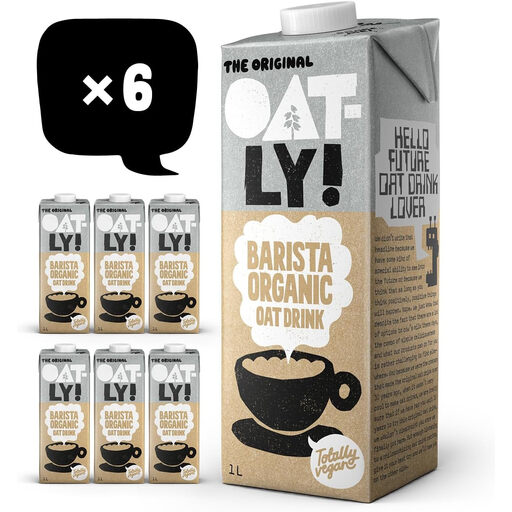
An oat-drink reference for a homemade plant-based shake. Waitrose & Partners lists Oatly Organic Barista Oat Drink as vegan and free from milk and soya.
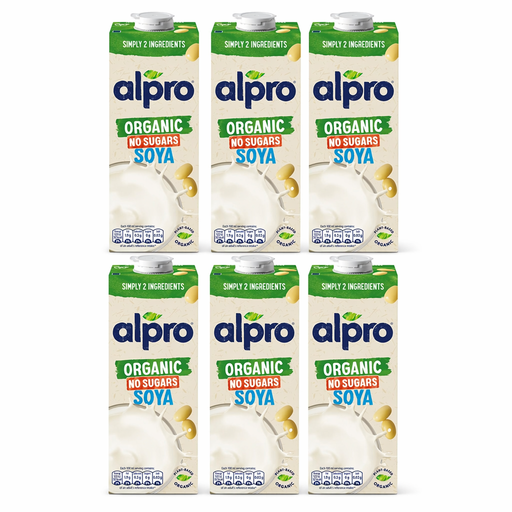
A soya-drink reference for a dairy-free homemade shake. Waitrose & Partners lists Alpro Organic No Sugar Soya Drink as organic and dairy-free.
These organic soya and oat drinks are plant-based options for blending a curry-night shake. Choose between them according to the ingredients your guests can have and the product details that matter to you.
 No image available
An organic soya-drink base for a homemade shake when dairy is unsuitable and guests can have soya. Check the current pack for allergen information and calcium fortification if those details affect your choice; do not assume a plant drink has the same effect as milk on chilli-related mouth burn.
 No image available
An organic oat-drink base for a homemade shake when a milk-free and soya-free option is wanted. The listed pack is 6x1L; check its current oat and gluten information, and calcium fortification if relevant. Research about milk and chilli-related mouth burn does not establish the same effect for this drink.
GOV.UK states that food labelled organic in Great Britain must meet organic production rules and that the product and suppliers must be certified by an approved organic control body. Check the exact label rather than relying on descriptions such as “natural”; for a homemade shake, check each ingredient you intend to be organic.
Dairy milk is an option if guests can have it, and a controlled crossover study published in the Journal of Oral Rehabilitation reported that milk soothed capsaicin-induced mouth burn. That finding does not make dairy suitable for someone with a milk allergy or someone who needs to avoid it for another reason.
Yes: start with a labelled organic oat or soya drink and check any other ingredients you blend into it. Waitrose & Partners lists Oatly Organic Barista Oat Drink as vegan and free from milk and soya; its listed Alpro Organic No Sugar Soya Drink is dairy-free but contains soya.
Do not assume so. The NHS advises checking nutrition information on dairy alternatives and identifies unsweetened calcium-fortified plant drinks as alternatives to dairy. Compare the exact products for protein, sugars and calcium fortification if those details matter to your choice.
Ask guests about ingredients they need to avoid, then check the current labels on the base and anything added to it. Dairy bases contain milk, soya bases contain soya, and oat products need an individual allergen and gluten-status check; milk and soybeans are identified as allergens by the Food Standards Agency.