Runners deciding whether to eat before a 5k
The time since your last meal and the time until the start matter more than choosing a bar by its protein claim alone. Compare the portion, carbohydrate, fat and fibre with the eating window you have.


A 5k does not call for a snack bar during the run simply because of the distance; whether to eat beforehand depends on when you last ate and your individual circumstances, according to University College London Hospitals NHS Foundation Trust. If you want a bar two to three hours before running, the British Dietetic Association’s guidance points towards a carbohydrate-led, relatively low-fat snack. Closer to the start, consider whether you need a small carbohydrate top-up rather than assuming a protein- or fibre-led bar will suit that shorter window.
The time since your last meal and the time until the start matter more than choosing a bar by its protein claim alone. Compare the portion, carbohydrate, fat and fibre with the eating window you have.
Check the organic claim on the exact product. Terms such as natural, plant-based and no artificial preservatives describe different characteristics; they do not establish organic status.
Ingredients and precautionary allergen statements need checking for each flavour and pack. If you use insulin or glucose-lowering medication, follow an individual exercise plan rather than treating general snack advice as a medication plan.
Start with whether you need a snack at all, then match its portion and composition to the time before your run. Check organic labelling and allergens on the same pack you intend to eat.
| Priority | What to check | Your needs |
|---|---|---|
| Eating window | The British Dietetic Association suggests a low-fat, high-carbohydrate snack or light meal two to three hours before exercise. University College London Hospitals NHS Foundation Trust distinguishes this from a faster-acting carbohydrate snack 15–30 minutes before exercise. | If I have eaten recently, I may not need a dedicated bar for a short 5k. If there is a longer gap before the start, I can choose a snack for that timing rather than for a protein claim. |
| Portion and composition | Compare carbohydrate, fat and fibre for the portion you would actually eat. Consider whether a substantial oat, nut or protein bar is familiar to you before eating it close to the start. | With little time before running, I would rather use an amount and format I have already tried than test a new, substantial bar. |
| Organic claim | Check the exact pack for its organic wording and certification information. GOV.UK says UK organic-labelled food must meet organic production rules, contain at least 95% organic agricultural ingredients and have certification from an approved organic control body. | I want an organic purchase, so a brand’s wholegrain, vegan or natural wording alone does not answer my question. |
| Allergens | Read the current ingredients and any ‘may contain’ statement for the exact flavour and pack size. The Food Standards Agency explains that precautionary allergen labelling signals possible unintended presence of a regulated allergen. | For an allergy, I need to check this particular bar rather than assume another flavour from the same brand has the same allergen information. |
Those descriptions do not establish that a food meets UK organic production and certification requirements, as set out by GOV.UK.
If organic status is central to your choice, check the claim and certification information for the exact current product.
The British Dietetic Association’s guidance for a snack two to three hours before exercise emphasises carbohydrate and relatively low fat. A protein claim does not tell you whether a substantial bar suits a shorter eating window.
Compare the portion, carbohydrate, fat and fibre, and try an unfamiliar format in training rather than for the first time just before a run.
According to the Food Standards Agency, precautionary allergen labelling communicates possible unintended allergen presence. Tesco’s listing for TREK Original Oat, for example, gives a warning for possible traces of peanuts, nuts and milk.
If you have an allergy, read the current pack’s ingredients and precautionary statement for the exact variant.
Weetabix lists several historical Alpen bar lines as no longer made, while Infinity Foods Wholesale warns that Nakd product recipes and allergen information can change.
Confirm the current product, ingredients and nutrition panel before choosing a bar for a particular run.
These brands offer different bar formats to investigate; a brand name or ingredient style does not establish that an individual bar is organic.
Graze describes its Oat Boost flapjacks as made with wholegrain oats.
Nature Valley UK lists Crunchy and Protein bars, giving shoppers different oat- and protein-led formats to compare.
TREK offers protein flapjacks and protein bars for shoppers comparing more substantial snack formats.
Nakd’s fruit-and-nut formats include the Protein Cherry Bar listed by Infinity Foods Wholesale.
Weetabix identifies Alpen Cereal Bars within its brand portfolio.
These Organix soft oat bars are small-pack options to assess for a planned pre-run snack. They are marketed for children aged 12 months and over, so check whether a portion suits your own eating window; confirm organic labelling, nutrition and allergens on each exact pack.
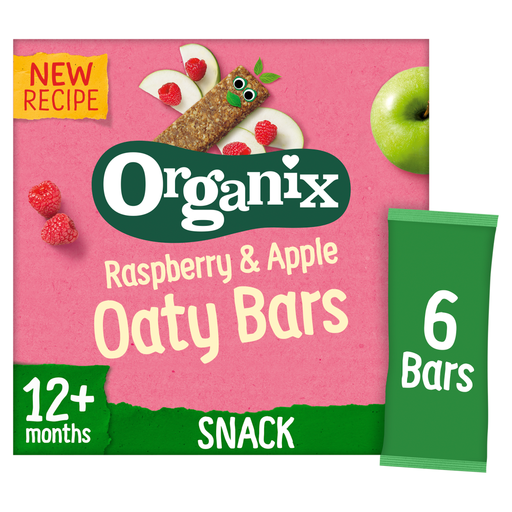 No image available
The 23g bar size gives you a defined portion to compare with the time before your run. This product is marketed for ages 12 months and over; check its current organic labelling, nutrition and allergens before choosing it as an adult pre-run snack.
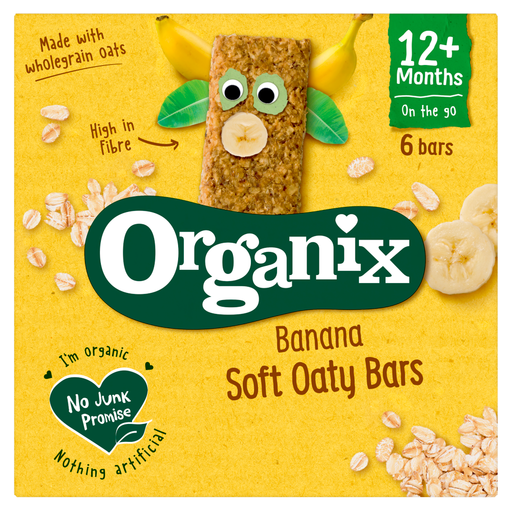 No image available
This banana variant comes as six 23g bars and is marketed for ages 12 months and over. If considering one before a 5k, compare its current organic claim, carbohydrate, fat, fibre and allergens with your eating window.
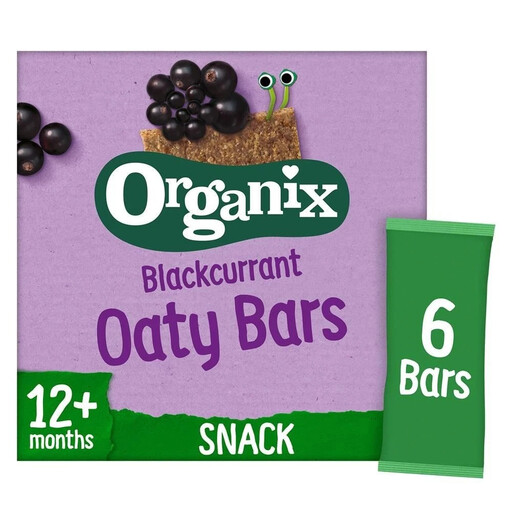 No image available
Organic appears in this variant’s product name; check the current pack’s claim and certification information. Its six 23g bars are marketed for ages 12 months and over, so assess the portion, nutrition and allergens for your own pre-run plans.
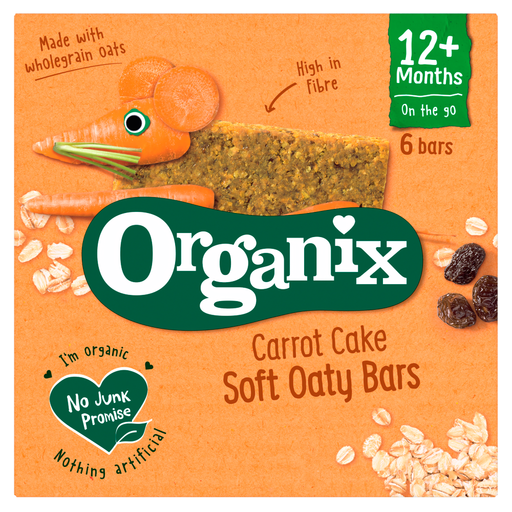 No image available
This 138g pack is marketed for ages 12 months and over. Check the current pack for the individual portion size, organic labelling, nutrition and allergens before deciding whether a bar suits your pre-run timing.
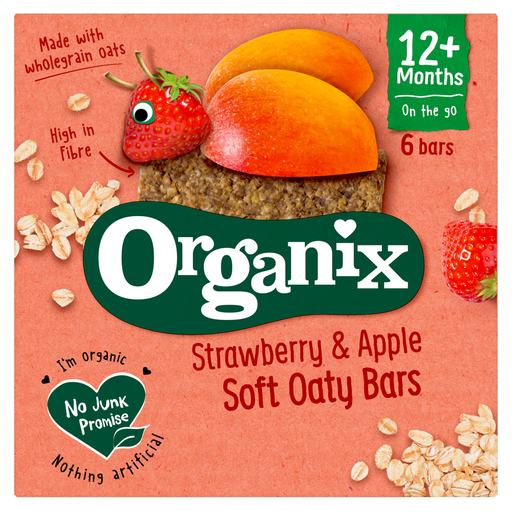 No image available
The pack contains six 23g bars and is marketed for ages 12 months and over. For a pre-run snack, check this flavour’s own organic labelling, nutrition and allergen statement rather than relying on another variant’s details.
Not solely because the run is a 5k. University College London Hospitals NHS Foundation Trust says snacks during shorter activities may be needed for hypoglycaemia prevention or treatment; your circumstances, including when you last ate and any individual glucose plan, still matter.
Start with carbohydrate and a relatively low-fat format: that matches the British Dietetic Association’s guidance for a snack or light meal two to three hours before exercise. Then check the portion, fibre, allergens and whether you are familiar with the bar.
No. The British Dietetic Association identifies carbohydrate as the main fuel source for exercising muscles, while University College London Hospitals NHS Foundation Trust points to faster-acting carbohydrate for a snack 15–30 minutes before exercise. Check the whole bar and your timing, not protein alone.
Check the organic claim and certification information for the exact current product, rather than relying on words such as natural or wholegrain. GOV.UK says organic-labelled food must meet organic production rules, contain at least 95% organic agricultural ingredients and have certification from an approved organic control body.
Use your individual exercise and glucose-management plan rather than a general rule about eating a bar before a 5k. University College London Hospitals NHS Foundation Trust notes that snacks during shorter activities may be needed for hypoglycaemia prevention or treatment; discuss your exercise-fuelling needs with your diabetes team.