Runners looking for an organic bar
Check the organic claim on the current pack, then compare carbohydrate per portion, ingredients and allergens. Organic status alone does not tell you how the bar will fit a run.


Choose an organic snack bar for marathon training only if its organic claim, carbohydrate per portion, ingredients and texture suit the session you have planned and the bar is one you have tried in training. A solid bar may suit an easier long run, but it should not stand in for a race-fuelling plan: World Athletics gives carbohydrate-per-hour guidance that varies with event duration, so one bar may supply only part of what that plan calls for.
The useful choice depends on whether organic status, eating solid food on a run or meeting a race carbohydrate plan is the main concern.
Check the organic claim on the current pack, then compare carbohydrate per portion, ingredients and allergens. Organic status alone does not tell you how the bar will fit a run.
A portable, chewable bar may fit an easier long run or a snack around training. Try the exact product and portion before depending on it during a demanding session.
If meeting a carbohydrate-per-hour plan is the priority, count what a bar contributes alongside any drinks, gels or other foods rather than treating it as the entire plan.
Decide what role the food will play in training or racing, then check the claim, portion and practicalities of eating it while running.
Consider it: If you value an organic claim and have tried eating the bar on the kind of run you have in mind.
Keep in mind: Hammer Nutrition UK describes Hammer Bar as organic and lists 25–27 g carbohydrate per bar, depending on flavour; that amount may cover only part of an hourly plan.
Consider it: If organic status is not essential and you want a solid snack for everyday training or an easier outing.
Keep in mind: Wholegrain oats do not establish organic status; check the eaten portion and ingredients before using an oat bar in a fuelling plan.
Consider it: If meeting a planned carbohydrate intake during marathon-pace work or a race matters more than eating a solid bar.
Keep in mind: Drinks or gels may not meet an organic preference, and the exact product and drinking plan still need a training trial.
| Priority | What to check | Your needs |
|---|---|---|
| Organic claim | Check the current pack for an organic claim and certification details. GOV.UK says a UK food marketed as organic must meet organic production rules, including the applicable ingredient threshold and approved control-body certification. | I want a bar marketed as organic, not just one that lists an organic ingredient or sounds natural. |
| Carbohydrate portion | Read the grams of carbohydrate in the amount you will actually eat. World Athletics lists 30–60 g per hour for endurance events lasting 1–2.5 hours and up to 90 g per hour for events over 2.5 hours; use the applicable guidance when planning the whole hour, not one snack in isolation. | If I carry a bar on a long run, I need to know how it fits with my other food and drinks. |
| Solid-food practicality | Check the bar’s texture, fat and fibre information, and how you will eat it with your planned fluids. Test the exact portion during training rather than first using it at race pace. | Chewing a bar on an easier run might work for me; at a harder pace, I want to know whether I can comfortably eat it. |
| Ingredients and allergens | Read the full ingredients and precautionary allergen statement on each current flavour and pack. Do not assume that organic, vegan or oat-based means suitable for a particular dietary restriction. | When I change flavour or brand, I need to check the new pack rather than rely on the last bar I bought. |
Organic is a production and labelling claim, not a measure of carbohydrate per portion or how a solid bar will feel while running.
Check the claim on the pack, then assess the nutrition, ingredients and your experience with the bar in training.
Chewing and eating a bar at marathon intensity can be different from having it as an everyday snack. One bar may also supply only part of the carbohydrate planned for an hour.
Rehearse the exact flavour, portion and drink pairing on training runs, and count the bar within your wider plan.
A pack may give nutrition for a serving containing more than one bar. Nature Valley’s Crunchy Variety Family Pack, for example, lists 27.0 g carbohydrate for a 42 g two-bar portion, while Hammer’s stated 25–27 g range is per bar.
Compare the carbohydrate and other label information for the number of bars you intend to eat.
Alpen’s FAQ identifies several former bar products as no longer made. An older review may therefore describe a different product from one currently offered by a retailer.
Check the current pack, ingredients and nutrition before adding a listed bar to a training routine.
These brands illustrate different bar types and label checks; a brand name alone does not establish that a particular product is organic or suitable for a run.
Hammer Nutrition UK markets Hammer Bar as an organic solid bar for endurance activities.
An oat-bar reference for shoppers considering a solid snack without making organic status a requirement.
A reference for everyday oat flapjack and snack-bar shopping, rather than a confirmed organic marathon-fuel option.
A familiar cereal brand whose older bar listings need checking against current products.
These options cover two different roles in marathon training: a gel as an alternative to a solid bar, and a flapjack for runners considering a chewable snack. Neither product name establishes an organic snack bar.
 No image available
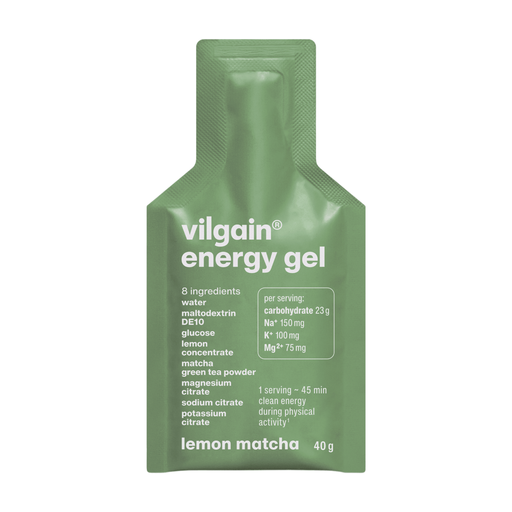
A gel to consider when planning fuel that does not require chewing during a run. It is a 40g Lemon Matcha product, not a snack bar; check the current pack’s carbohydrate amount, ingredients and instructions before fitting it into a training plan.
 No image available
A solid flapjack option to try on an easier training run if you prefer chewable food. The pack contains three 50g bars; check carbohydrate per bar, ingredients and allergens on the current pack, and do not assume an organic claim from the product name.
Look for an organic claim and certification details for the product on its current packaging. GOV.UK says food marketed as organic must meet organic production rules: at least 95% of its agricultural ingredients must be organic, and the product and suppliers must be certified by an approved organic control body. An organic ingredient in a bar does not, by itself, make the whole bar an organic product.
Do not assume that one bar covers an hour of a marathon plan. World Athletics lists 30–60 g carbohydrate per hour for endurance events lasting 1–2.5 hours and up to 90 g per hour for events over 2.5 hours. Compare the carbohydrate in the portion you will eat with your planned intake from all food and drinks, and practise eating it in training.
Try a solid bar during training when you can assess chewing, pace, fluids and how the exact portion feels to eat. For a race plan with substantial carbohydrate intake per hour, World Athletics also gives drinks, gels and confectionery as examples of fuel; choose and rehearse a combination you can use rather than introducing a new bar on race day.
No. Nature Valley describes its Crunchy bars as made with wholegrain oats, but that is separate from an organic claim. For a UK product marketed as organic, check the current product claim and certification information against the organic labelling rules described by GOV.UK.
Read the new pack’s ingredients, allergen statement and nutrition for the portion you intend to eat. Nature Valley’s cited Crunchy Variety Family Pack, for example, lists potential allergens including nuts, peanuts and wheat; information for one pack should not be carried over to a different flavour or product.