Plant-based lunch shoppers
If you want a convenient soup containing beans, lentils or peas, compare the stated protein for the portion you will eat. Check the current pack for vegan suitability rather than assuming every pulse-based recipe is vegan.


Choose an organic tinned soup by comparing protein for the amount you plan to eat, rather than relying on the organic label or the flavour name. Ocado states 22g of protein per tin for Mr Organic Spicy Mixed Bean Soup; that figure applies to that product, so check the current pack and compare other soups on the same basis. Ingredients, salt and allergens may also affect your choice.
If you want a convenient soup containing beans, lentils or peas, compare the stated protein for the portion you will eat. Check the current pack for vegan suitability rather than assuming every pulse-based recipe is vegan.
If organic status is essential, check the product label for its organic claim and certification details. Then read the nutrition declaration separately: an organic claim does not tell you how much protein the soup contains.
If you need a vegan, dairy-free or gluten-free soup, check the ingredients and allergen information on the exact pack. A retailer’s description of one recipe should not be applied to another.
Start with the protein amount for your intended portion, then check organic status and any dietary restrictions that matter to you.
| Priority | What to check | Your needs |
|---|---|---|
| Protein per portion | Read protein per 100g and the pack weight. Convert to the amount you intend to eat before comparing soups; check the current ingredient list for beans, lentils or peas. | I want to know what my bowl of soup contributes, not compare a per-100g figure with another product’s whole-tin figure. |
| Organic status | Check the current pack’s organic claim and certification details. Read the nutrition declaration separately. | Organic sourcing matters to me, but I still need to compare protein for the soup I choose. |
| Dietary suitability | Check the exact recipe’s ingredients, allergen information and salt declaration. If you follow a prescribed protein intake, use the guidance given by your clinical team. | I need the soup to fit my ingredient restrictions or prescribed eating plan, not just carry an organic label. |
Organic status and protein content describe different things. A soup can meet an organic preference without providing the amount of protein you want from a meal.
Check the organic details and the nutrition declaration separately, using the protein amount for your intended portion.
A per-100g figure is not directly comparable with a per-tin figure. For example, Ocado lists 2.6g of protein per 100g for Eat Wholesome Organic Bean & Vegetable Soup; that would be 10.4g for its 400g tin if the whole tin is eaten.
Use the same portion basis for each soup, and check that the current pack matches the figures you are using.
Two bean soups can have different ingredients, pack sizes and nutrition declarations, so a figure for one product cannot stand in for another.
Match the full product name and pack size, then check the ingredients, nutrition and allergens for that recipe.
These examples describe particular soups, not the protein content or dietary suitability of every product a brand makes.
Its cited soup range includes mixed-bean, pea-and-vegetable, and tomato-and-lentil recipes.
Its Organic Bean & Vegetable Soup is a bean-and-vegetable option.
Organic Mexican Bean Soup is a tomato-and-pinto-bean recipe with red pepper and chilli, described in Tesco and specialist retailer listings.
Organic Lentil & Red Pepper Soup is a 400g soup option.
These Joybuy options are organic-labelled soups in 680g and 400g packs. Compare their current protein declarations for the amount you intend to eat before choosing one for a high-protein meal.
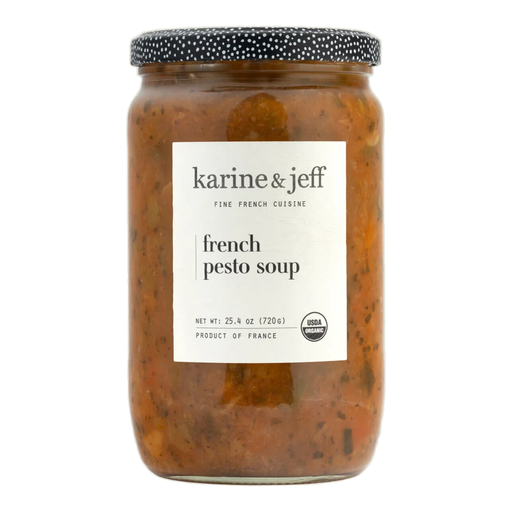 No image available
For a protein-focused meal, use the nutrition declaration to work out the contribution from the amount of this 680g soup you will eat. Check the current organic details and allergen information if they affect your choice.
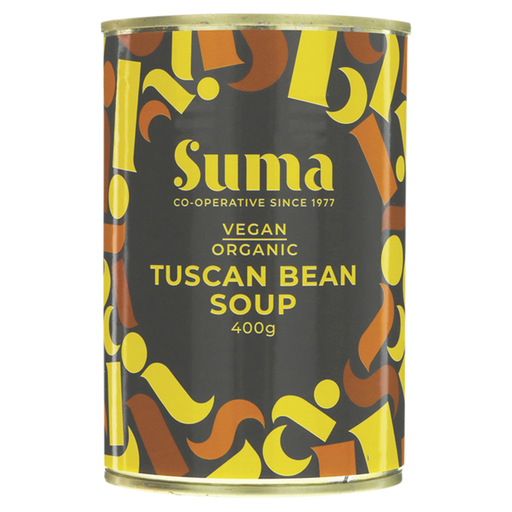 No image available
This 400g bean soup is an option to assess if you want a pulse-based recipe. Check the current pack’s protein declaration for your portion, along with its organic details and allergens.
No. An organic claim does not establish the soup’s protein content. Read the nutrition declaration for the amount you plan to eat, and check the ingredients if you want a bean-, lentil- or pea-based recipe.
Beans, lentils and peas are useful ingredients to check, but the recipe name alone cannot tell you the protein amount. Read the current pack’s ingredient list and protein declaration; Ocado’s stated 22g per tin applies specifically to Mr Organic Spicy Mixed Bean Soup.
Not necessarily. Royal Devon University Healthcare NHS Foundation Trust advises that protein needs can differ for people with kidney disease depending, among other factors, on whether they receive dialysis. If you have a prescribed eating plan, follow your clinical team’s advice when choosing foods.
Check the current pack’s organic wording and certification details, rather than treating words such as “natural” as equivalent. The Department for Environment, Food & Rural Affairs publishes UK guidance on organic production and labelling; organic status still needs to be considered separately from protein content.