Cyclists planning meals around a ride
If you want a warm meal before or after cycling, the useful question is what the portion contributes to the meal. For eating during a ride, preparation and portability matter too.


Organic soup can be part of a planned meal before or after cycling, but an organic label does not tell you whether the portion provides the carbohydrate or protein you want for that meal. Check the nutrition panel, salt, allergens and packaging: some organic soups come in jars rather than tins. For a ride lasting more than 60 minutes, consider whether you need a portable snack instead; University College London Hospitals NHS Foundation Trust says snacks may be needed for activities of that length.
If you want a warm meal before or after cycling, the useful question is what the portion contributes to the meal. For eating during a ride, preparation and portability matter too.
If organic production is important to you, check the exact soup’s organic claim. Vegetarian, vegan and other dietary descriptions answer different questions.
Compare salt for the amount you intend to eat and read the allergen declaration for the exact recipe. Vegetable-based or organic wording does not replace either check.
Decide when you plan to eat the soup, then read the label for the portion and packaging you would actually use.
| Priority | What to check | Your needs |
|---|---|---|
| Meal timing | Check carbohydrate and protein for the intended portion. If eating during a ride, consider how you would carry, prepare and eat the soup; University College London Hospitals NHS Foundation Trust says activities lasting over 60 minutes may call for snacks. | I want a meal before or after cycling, rather than assuming a tin of soup will work as my food on the bike. |
| Organic claim | Read the claim on the exact product. Department for Environment, Food & Rural Affairs guidance says UK food labelled organic must meet organic production rules and have at least 95% organic agricultural ingredients. | Organic production matters to me, so I want to distinguish an organic claim from words such as vegan or vegetarian. |
| Salt | Compare the per-100g figure with the serving and full-pack figures where shown. Include anything eaten alongside the soup; NHS guidance gives a maximum of 6g salt a day for adults. | If I eat the whole tin or add bread or cheese, I want to judge the salt in that meal rather than the per-100g figure alone. |
| Ingredients and allergens | Check the exact recipe’s ingredient and allergen declarations, plus storage instructions after opening. Ocado’s Biona listings illustrate why recipes differ: its Hearty Lentil Soup declares celery, while its Minestrone declares celery, wheat and gluten. | My choice needs to account for specific ingredients, not just whether a soup is described as vegetable-based or organic. |
| Packaging | Confirm whether the product is a tin or jar and check its net quantity. A shelf-stable organic soup is not necessarily tinned. | For cupboard storage or taking food to a ride, I want to know what container I will be handling and how much soup it holds. |
An organic claim concerns how the food is produced; it does not tell you how much carbohydrate or protein your portion contains.
Decide whether the soup is for a meal or a ride stop, then compare the nutrition panel for the amount you plan to eat.
A full tin or jar may contain several 100g portions. Food served with the soup also contributes salt to the meal.
Check the serving size and full-pack amount. NHS guidance gives a maximum of 6g salt a day for adults.
Ocado lists Biona organic soups in 680g glass jars, which would not meet a strict tin-only preference.
Confirm the container and net quantity on the exact product before choosing it.
A glass jar may be awkward to carry if you intend to take soup to a ride or event.
A category listing may not give the label details needed to assess a particular recipe or container.
Open the individual product details and check its organic claim, nutrition, allergens and packaging before buying.
These examples show why the claim and packaging need checking on each soup; a brand or retailer name alone does not establish that a product is organic.
Ocado lists Biona Hearty Lentil and Minestrone as organic soups in 680g glass jars.
Heinz Cream of Tomato is a conventional tinned-soup example for comparing meal portions.
The M&S tinned-soup category includes products described as vegan or vegetarian.
Tesco Groceries has listed soups described as organic, including Lentil & Red Pepper and Low Salt Sweet Potato & Quinoa varieties.
Campbell’s UK provides a route for finding its soups through retailers.
These soups include organic-labelled options for a planned meal and one tinned option for shoppers who do not require an organic claim. Check each product’s portion information and packaging against how you intend to use it.
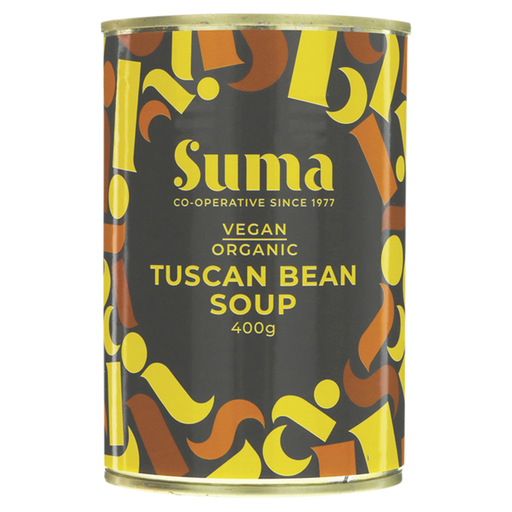 Image unavailable
A 400g canned, organic-labelled soup to consider as part of a meal before or after cycling. Its nutrition information is given per 100g, so check the amount for your intended portion; the product information declares celery.
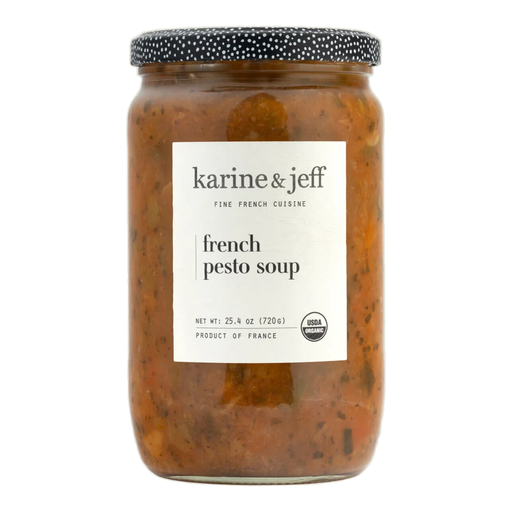 Image unavailable
This organic-labelled soup is described as a 680g can for a planned meal. Compare its per-100g nutrition information with the portion you expect to eat, and check the label if possible wheat, soy or celery allergens matter to you.
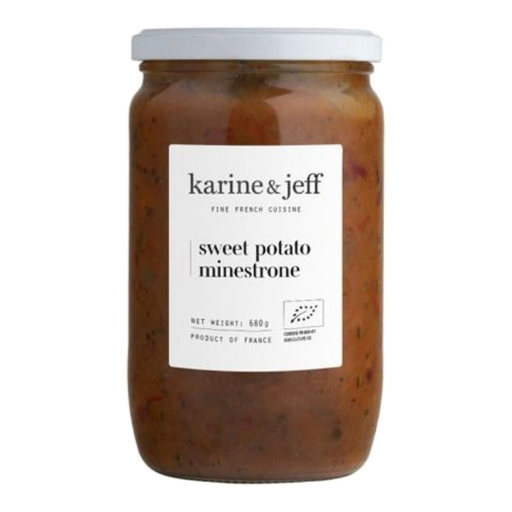 Image unavailable
An organic-labelled 680g soup for a planned meal; confirm the container if you specifically need a tin. The nutrition information is per 100g, and the product information declares milk and mustard.
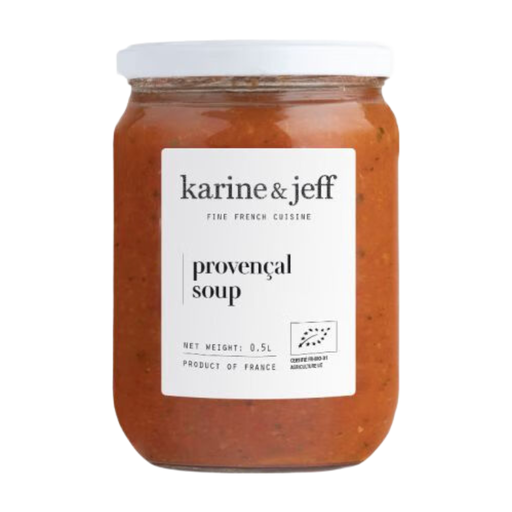 Image unavailable
This organic-labelled 500ml soup is an option for a planned meal; check its container if a tin is essential. The stated per-100g panel gives 4.5g carbohydrate and 0.9g protein, so assess the portion and any accompanying food. The product information lists possible traces of wheat, soya, sesame, celery, mustard, milk and nuts.
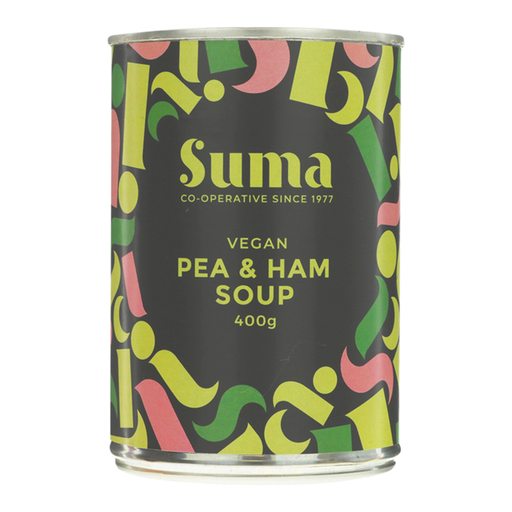 Image unavailable
A 400g canned option for a planned meal if an organic claim is not essential. Check the exact pack before relying on its dietary description: the supplied allergen information lists milk, soy and wheat, while another description calls it vegan-friendly. Check the salt figure on the label if it matters to your choice.
An organic claim concerns production and labelling, not the soup’s value as cycling food. Department for Environment, Food & Rural Affairs guidance says UK food labelled organic must meet organic production rules and contain at least 95% organic agricultural ingredients; check the claim on the exact product.
Soup is generally more practical as a planned meal or at a stop where you can prepare and eat it than as food carried on the bike. University College London Hospitals NHS Foundation Trust says snacks may be needed for activity lasting over 60 minutes, and British Cycling advises practising the foods you intend to eat during a sportive.
Start with carbohydrate and protein for the portion you will eat, then consider the rest of the meal and when you plan to eat it. Where no meal was eaten two to three hours before training, University College London Hospitals NHS Foundation Trust describes a pre-training snack containing carbohydrate and protein with minimal fat.
Compare salt for the serving or full pack you expect to eat, not only per 100g, and account for other food in the meal. NHS guidance gives a maximum of 6g salt a day for adults; Sainsbury’s lists 1.1g salt per half-can serving of Heinz Cream of Tomato Soup.
No. Check the exact recipe’s allergen declaration: Ocado’s Biona Hearty Lentil Soup listing declares celery, while its Biona Minestrone listing declares celery, wheat and gluten. An organic or vegan description does not replace that check.