For a traditional afternoon tea, start with a tea bag explicitly labelled as organic black tea: Clipper Organic & Fairtrade Everyday, Pukka English Breakfast and Hampstead Organic English Breakfast are relevant styles. Choose an Everyday or English Breakfast blend for a plain black-tea cup, Earl Grey if you want bergamot flavour, or a product explicitly labelled decaffeinated if reducing caffeine matters. Check the organic claim and any disposal instructions on the exact pack rather than relying on the brand or tea style alone.
Who is this for?
Hosts serving a traditional afternoon tea
If you want black tea alongside sandwiches, scones or cakes, begin with an explicitly organic Everyday or English Breakfast product. Then compare the blend descriptions and brewing directions for the particular tea you plan to serve.
Shoppers who put the organic claim first
Check the exact tea-bag product, not just the brand’s wider range. The UK government’s organic food guidance ties an organic label to production, ingredient and approved certification requirements.
People choosing a decaffeinated afternoon cup
Organic black tea is not automatically decaffeinated. Look for a product expressly labelled decaf; if you need to manage total caffeine intake, check the product information rather than treating its organic claim as a caffeine guide.
What should you check?
Choose the type of tea you want to serve, then check the organic wording, caffeine labelling and bag-disposal instructions on that particular product.
| Priority |
What to check |
Your needs |
| Organic claim |
Look for “organic” on the exact product and check its certification information. UK government guidance says organic food claims depend on qualifying ingredients and certification by an approved control body. |
I want the tea bags I buy to carry the organic claim, rather than assuming every product from an organic-looking range qualifies. |
| Tea style |
Compare plain black-tea blends such as Everyday or English Breakfast with bergamot-flavoured Earl Grey. Check the specific blend’s ingredients, brewing directions and any milk-serving guidance. |
For a familiar black-tea cup, I would start with an organic Everyday or English Breakfast blend. I would choose Earl Grey when a bergamot flavour suits the people I am serving. |
| Caffeine |
Check whether the product is explicitly labelled decaffeinated; an organic label does not answer that question. If a particular caffeine limit matters, check the pack’s product information. |
I would like a black-tea-style option while deliberately reducing caffeine, so I need a clearly labelled decaf product. |
| Tea-bag disposal |
Read the exact pack’s wording for home or industrial compostability, then check which materials your local collection accepts. Pukka describes its tea bags as home compostable; Twinings specifies industrial compostability for its English Afternoon bags. |
I want to know where the used bags can go without assuming that “biodegradable” gives me a disposal instruction. |
Common buying mistakes
-
Treating “natural” or a brand’s reputation as an organic claim
A conventional tea can sit alongside organic products in a range. UK government guidance sets ingredient and certification conditions for food labelled organic.
Check the product name, pack and certification information for the tea bags you intend to buy.
-
Assuming an English Afternoon blend is organic
Afternoon-tea style and organic status are separate characteristics. Twinings describes its English Afternoon tea bags and their disposal properties, but the referenced product description does not identify that product as organic.
If organic status is essential, choose a product whose own listing or pack states the organic claim.
-
Assuming organic black tea is decaffeinated
An organic claim does not establish that caffeine has been removed. Clipper lists separately named organic decaf options for shoppers seeking that distinction.
Choose tea explicitly labelled decaf. If pregnancy is relevant, North West Anglia NHS Foundation Trust advises a limit of 200mg of caffeine per day from all sources.
-
Putting every compostable tea bag in the same waste stream
Home and industrial compostability are different claims. Pukka describes its tea bags as home compostable, while Twinings specifies industrial compostability for English Afternoon tea bags.
Follow the wording on your pack and your local council’s collection instructions.
Brand and range references
These ranges offer different starting points for an afternoon-tea selection; a brand’s inclusion here does not establish the organic status of every product it makes.
Clipper
A starting point for organic Everyday, English Breakfast, Assam, Earl Grey and separately labelled decaf tea bags.
- Clipper lists organically grown black tea as the ingredient in Organic & Fairtrade Everyday and describes that blend as rich and full-bodied.
- Check the exact pack for its organic details and tea-bag disposal instructions rather than applying a range-wide statement to every variant.
Pukka
Offers organic English Breakfast and Earl Grey black teas, as well as herbal blends for a different afternoon option.
- Pukka identifies its English Breakfast as an organic black-tea blend from India and Africa and says its black-tea blends can be served with milk or a milk alternative.
- Check the ingredients of an individual herbal blend if serving guests with ingredient sensitivities; it will not provide the same tea style as a black-tea blend.
Hampstead Tea
Lists organic English Breakfast and Assam tea bags alongside Earl Grey and herbal options.
- Hampstead describes its tea bags as stitched with organic cotton and home compostable.
- Check the particular blend and pack instructions: the range listing alone does not tell you how each tea will taste or brew.
Twinings
English Afternoon is a reference point for a traditional afternoon-tea style, not an automatic organic alternative.
- Twinings describes English Afternoon as suitable with milk and specifies industrial compostability for its tea bags.
- Check a specific Twinings listing or pack for an organic claim before choosing it to meet an organic requirement.
Tea bags on Joybuy
These options span plain and decaffeinated black tea, Earl Grey and a herbal alternative for an afternoon gathering. Check each pack’s organic information and ingredients against what matters for your guests.
 No image available
Clipper Organic Fairtrade Decaf Everyday, 80 Tea Bags, 277g
A decaffeinated black-tea option for an afternoon cup when reducing caffeine matters. The pack contains 80 tea bags; check its organic certification details and residual caffeine information if a specific limit matters.
View on Joybuy
 No image available
Tea Story Coral Black Organic Tea Bags, 24 × 2g
A black-tea-bag option for guests who want a plain tea style. The title specifies 24 bags of 2g each; check the exact pack’s organic certification details and ingredients before serving.
View on Joybuy
 No image available
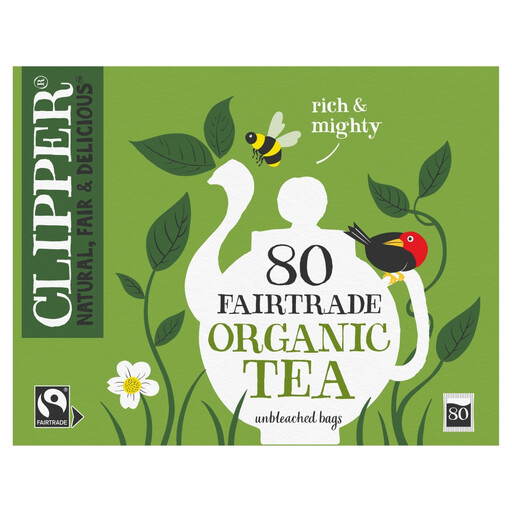
Clipper Organic Fairtrade, 80 Tea Bags, 232g
An organic black-tea option for a traditional afternoon cup, with 80 bags in the pack. Check the exact pack’s certification information; if caffeine level or serving with milk matters, check its product directions too.
View on Joybuy
 No image available
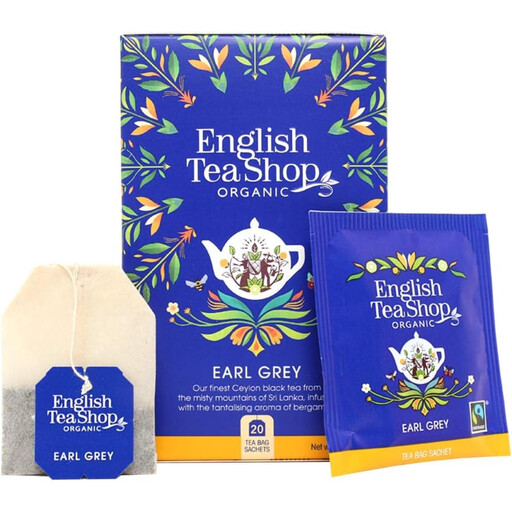
English Tea Shop Organic Earl Grey, 20 Tea Bag Sachets, 45g
An Earl Grey choice when guests prefer bergamot flavour to plain black tea. The listing gives a 200ml serving and a 3–4 minute infusion; it also advises that this product is not recommended for children or pregnant women. Check the current pack and its organic certification details before buying.
View on Joybuy
 No image available
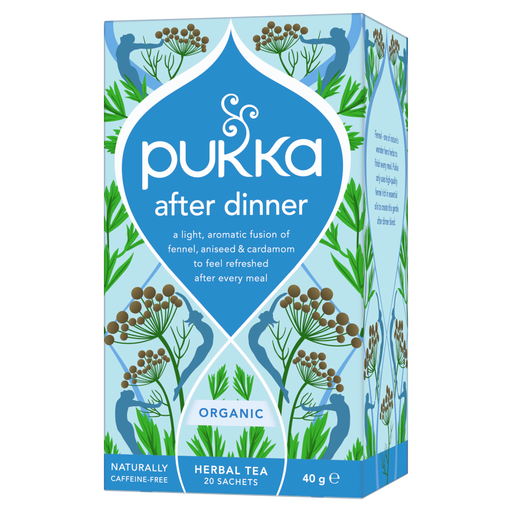
Pukka Feel New Organic, 20 Sachets, 40g
A herbal alternative to black tea for an afternoon gathering, with 20 sachets and a stated 5–7 minute brewing time. The listing identifies trace celery: check the pack and avoid serving it to anyone with a celery allergy. Check the exact pack’s organic information as well.
View on Joybuy
Questions about organic tea bags
How can I check whether tea bags are organic?
Check the organic wording and certification information for the exact product. UK government guidance says food labelled organic must meet applicable production and ingredient conditions, including at least 95% organic agricultural ingredients, and the product and suppliers must be certified by an approved organic control body.
Which organic tea style suits a traditional afternoon tea with milk?
An explicitly organic Everyday or English Breakfast black tea is a starting point. Clipper identifies its Organic & Fairtrade Everyday as organically grown black tea, while Pukka says its organic black-tea blends can be served with milk or a milk alternative. Choose Earl Grey instead if the people you are serving want bergamot flavour.
Does organic tea mean caffeine-free?
No. Organic status does not establish caffeine content, so choose tea expressly labelled decaffeinated if you want to reduce caffeine. If pregnancy is relevant, North West Anglia NHS Foundation Trust advises no more than 200mg of caffeine per day from all sources.
Can every compostable tea bag go in a food-waste bin?
Not automatically: follow the particular pack and your local council’s collection rules. Pukka describes its tea bags as home compostable and suitable for food-waste bins, whereas Twinings describes its English Afternoon bags as industrially compostable.


