For a camping food kit, start with an organic tea whose claim you can check on the pack, then choose a format that suits how you will store and brew it: a larger black-tea pack for shared breakfasts, individually wrapped herbal bags for a mixed food kit, or an explicitly caffeine-free infusion. Organic labelling does not tell you whether the bag, tag or wrapper can be composted, so check their separate disposal instructions and take waste away when the specified route is unavailable.
Who is this for?
Campers checking organic claims
If the organic claim matters to your food kit, look beyond words such as “natural”. The Department for Environment, Food & Rural Affairs says UK food labelled organic must meet certification requirements, including at least 95% organic agricultural ingredients.
Groups sharing breakfast tea
An 80-bag black-tea pack can supply several campers from one food box, provided you can keep it dry. Clipper’s Organic & Fairtrade Everyday pack has this format and a stated 2–5 minute infusion time.
Campers avoiding caffeine later in the day
Check the exact infusion rather than relying on its organic status. Twinings describes Organic Pure Peppermint as naturally caffeine free and gives a three-minute infusion method.
What should you check?
Check the organic claim and tea type first; then match the pack, brewing instructions and disposal route to the conditions of your trip.
| Priority | What to check | Your needs |
|---|
| Organic claim |
Read the exact product label and ingredients. Department for Environment, Food & Rural Affairs guidance says UK food labelled organic requires certification by an approved control body and at least 95% organic agricultural ingredients. |
I want the organic claim to mean more than a general impression created by the packaging. |
| Dry storage |
Check whether portions are individually wrapped and follow the pack’s storage directions. Clipper specifies cool, dry storage for its Organic & Fairtrade Everyday tea; Pukka says its individual herbal-tea envelopes protect against air and moisture. |
My tea may travel beside cooking equipment or other food, so I need a way to keep the bags dry. |
| Waste handling |
Read the separate instructions for the bag, tag and wrapper. Twinings describes its Organic Pure Peppermint bags as industrially compostable; Pukka describes its tea bags as home compostable in the UK. Neither statement permits leaving used bags outdoors. |
I need to carry away used bags and wrappers unless I can use the disposal route specified for each part. |
| Tea and brewing |
Check the tea type, an explicit caffeine statement where needed, and the product’s water and infusion directions. Clipper gives 2–5 minutes for its organic black tea; Twinings describes Organic Pure Peppermint as naturally caffeine free and specifies three minutes. |
For a shared morning brew I may want black tea; later in the day, an explicitly caffeine-free infusion may suit my plans. |
Camping tea-bag pitfalls
-
Assuming organic means compostable packaging
UK organic food labelling concerns production and certification, not a single disposal route for every part of the pack. Twinings specifies industrial compostability for its Organic Pure Peppermint bags, while Pukka describes a UK home-compostable route for its tea bags.
Check the bag, tag and wrapper separately. Take them away from the campsite unless you can use the disposal route stated for each part.
-
Packing a large box without keeping it dry
Clipper instructs buyers to store its organic black tea in a cool, dry place; Pukka says individual envelopes protect its herbal blends from air and moisture.
Put a bulk pack in a sealed dry food container for travel. If you need each portion protected separately, check for individual envelopes on the exact pack.
-
Using organic status to judge caffeine content
Organic describes the production claim, not whether an infusion contains caffeine. Twinings explicitly calls its Organic Pure Peppermint naturally caffeine free; Clipper Organic & Fairtrade Everyday is black tea.
When avoiding caffeine matters, choose a product that states its caffeine status rather than judging by the organic claim.
-
Choosing a herbal blend for a wellness promise
Wellness wording on a manufacturer’s product page is not a reason to treat a tea as a remedy.
Compare the stated ingredients, flavour and preparation directions instead of relying on a treatment claim.
Relevant brand references
These examples illustrate different tea and packaging choices; a brand name alone does not establish the claims or disposal instructions of every pack it sells.
Clipper
Its Organic & Fairtrade Everyday 80 Tea Bags provide a larger organic black-tea format for a shared food kit.
- Clipper lists organically grown black tea, cool, dry storage and a 2–5 minute infusion.
- Its description of plant-based, biodegradable bags does not establish a suitable disposal route at a campsite.
Twinings
Organic Pure Peppermint is a peppermint infusion for campers who want an explicitly caffeine-free option.
- Twinings lists 100% organic peppermint and describes the infusion as naturally caffeine free.
- Twinings specifies industrial compostability for this product’s tea bags, not home compostability.
Pukka
Its organic herbal blends and individual envelopes are relevant when portions will travel in a mixed food kit.
- Pukka says its products are certified organic and its envelopes protect herbal blends from air and moisture.
- Pukka describes its tea bags as home compostable in the UK, but gives the envelopes a separate paper-recycling route; do not treat the whole serving as one compostable item.
Yorkshire Tea
Its listed black-tea and Decaf options offer a different tea choice when an organic claim is not the deciding requirement.
- Yorkshire Tea identifies standard, Gold, Decaf, Hard Water and loose-tea ranges.
- Check the exact pack before treating any Yorkshire Tea product as an organic tea-bag option.
Joybuy tea-bag options
These packs cover larger black-tea supplies and smaller herbal or sachet formats for a camping food kit. Compare the exact label and disposal instructions for the pack you choose.
 No image available
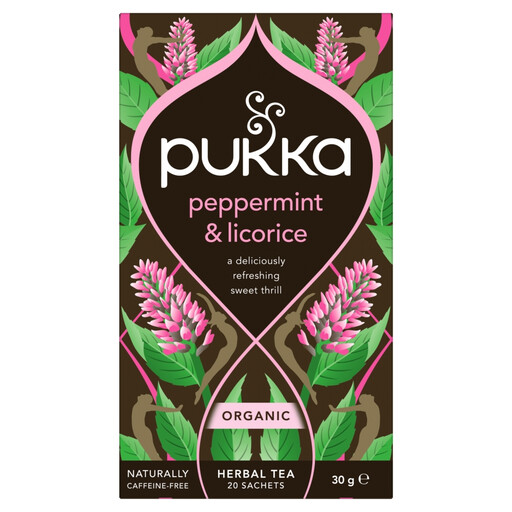
Pukka Peppermint & Liquorice Organic Herbal Tea, 20 sachets, 30g
The 20-sachet format gives you portions of peppermint-and-liquorice herbal tea to pack in a mixed food kit. Pukka says its individual herbal-tea envelopes protect their contents from air and moisture; check this pack’s instructions for disposing of each component.
This blend contains liquorice. Its listing advises people with high blood pressure to avoid excessive consumption and advises consultation with a professional during pregnancy.
View on Joybuy
 No image available
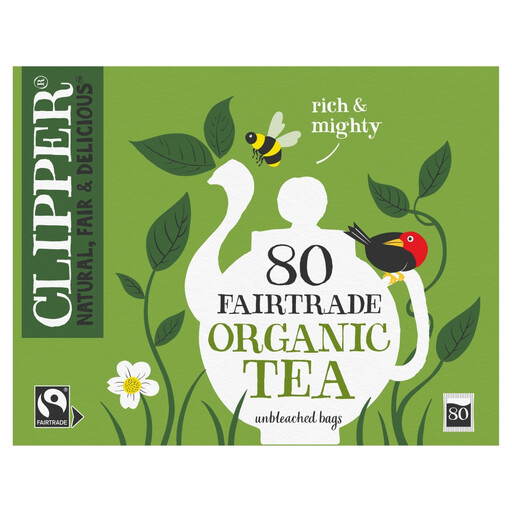
Clipper Organic Fairtrade 80 Tea Bags, 232g
This 80-bag black-tea pack is a larger supply for shared camp breakfasts. Clipper lists organically grown black tea, a 2–5 minute infusion and cool, dry storage; protect the box during travel and check the pack before choosing a disposal route for its bags.
View on Joybuy
 No image available
Clipper Organic Fairtrade Decaf Everyday 80 Tea Bags, 277g
The 80-bag Decaf Everyday pack offers a larger black-tea supply when the group prefers a decaf-labelled option. Keep the pack dry, and check its own brewing and bag-disposal instructions rather than applying those of Clipper’s standard Everyday tea.
View on Joybuy
 No image available
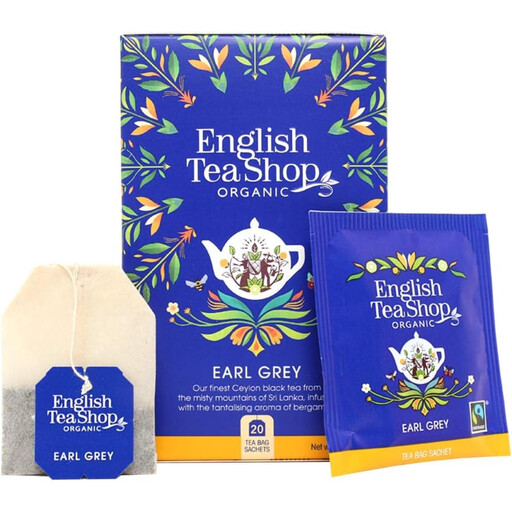
English Tea Shop Organic Earl Grey, 20 tea-bag sachets, 45g
This 20-sachet Earl Grey pack is a smaller black-tea format for a camp food kit. It is not a caffeine-free choice; check the exact pack for its brewing directions, organic certification details and instructions for disposing of the sachets and bags.
View on Joybuy
 No image available
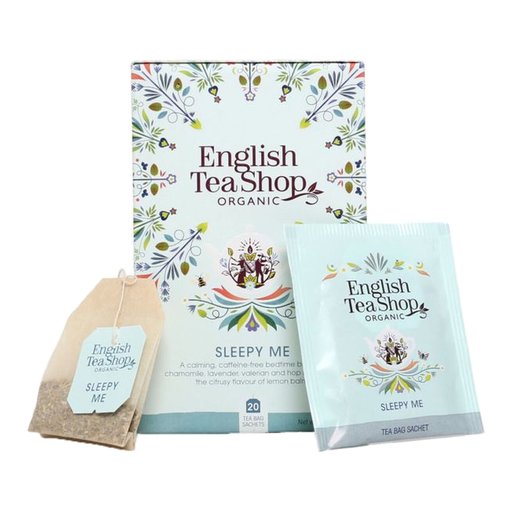
English Tea Shop Organic Sleepy Me, 20 tea-bag sachets, 30g
This 20-sachet herbal-tea pack is a smaller option for campers choosing an infusion rather than black tea. The listing describes it as caffeine free and instructs an infusion of at least five minutes; check the exact pack’s ingredients, organic labelling and disposal directions.
View on Joybuy
Frequently asked questions
What does an organic tea label mean in the UK?
It is a regulated food claim, not another word for “natural”. Department for Environment, Food & Rural Affairs guidance says food labelled organic must meet organic-production and approved-control-body certification requirements, with at least 95% of its agricultural ingredients organic.
Does organic mean I can compost the bag and wrapper?
No. Check each component’s instructions: Twinings describes its Organic Pure Peppermint bags as industrially compostable, while Pukka describes its tea bags as home compostable in the UK and gives its envelopes a separate paper-recycling route. Neither claim means a used bag can be left at a campsite.
How should I store and brew tea at camp?
Keep the tea dry and follow the directions for the exact pack. Clipper specifies cool, dry storage and a 2–5 minute infusion for Organic & Fairtrade Everyday; Twinings gives a three-minute infusion for Organic Pure Peppermint. A sealed food container can protect a pack during travel.
Which organic tea can I choose if I am avoiding caffeine?
Choose a product that explicitly states its caffeine status; organic certification alone does not answer that question. Twinings describes Organic Pure Peppermint as naturally caffeine free. Check the exact label when considering another blend or a decaf black tea.


