Sellers serving a familiar brew
An organic black tea gives you a conventional tea option to offer with or without milk. Check the exact pack before using an organic claim on your refreshment sign.


Choose an organic black tea for a familiar main drink, then consider decaf black tea or a naturally caffeine-free herbal infusion if visitors are likely to want another option. UK Department for Environment, Food & Rural Affairs guidance ties organic labelling to applicable production and certification conditions, so check the exact pack rather than relying on Fairtrade or other sourcing labels. If your refreshment activity is a food business, the Food Standards Agency says to register with the local authority; keep ingredient information for milk and other additions too.
The number of choices worth bringing depends on whether visitors are likely to want a standard black tea, an alternative without tea-leaf caffeine, or both.
An organic black tea gives you a conventional tea option to offer with or without milk. Check the exact pack before using an organic claim on your refreshment sign.
Decaf black tea retains the black-tea format, while a herbal infusion is a different drink. Choose between them according to what your visitors are likely to ask for and how many drinks you can prepare separately.
If you sell refreshments, check with the local authority whether your activity is a food business. Keep the ingredients for each tea and addition to hand so you can answer questions about the drink as served.
Choose the main drink first, then decide whether a second type of tea earns its place at a small refreshment stall.
| Priority | What to check | Your needs |
|---|---|---|
| Organic claim | Read the exact pack’s organic marking, ingredients and certification information. UK Department for Environment, Food & Rural Affairs guidance requires applicable organic-production and certification conditions for food marketed as organic; Fairtrade or Rainforest Alliance wording is not a substitute. | I plan to describe the tea as organic, so I need the claim to apply to the product I actually serve. |
| Main black tea | Check that the ingredients identify black tea, then check the bag count and brewing instructions against your serving plan. Keep milk and other additions identifiable separately. | A familiar black tea will be my main hot drink, with visitors able to choose whether to add milk. |
| Alternative drink | Check whether the pack says decaffeinated black tea or naturally caffeine-free herbal infusion; these are not interchangeable descriptions. Check the ingredients and preparation instructions for the exact blend. | Some visitors may avoid caffeine but still want black tea; others may prefer a herbal drink. I only need an extra option that fits the visitors I expect. |
| Serving information | Keep ingredient details for the tea, milk and other additions. If the activity is a food business, the Food Standards Agency says registration with the local authority is required at least 28 days before trading or food operations start. | If I am selling drinks, I need to establish whether registration applies and be able to answer ingredient questions about each prepared drink. |
Fairtrade and Rainforest Alliance claims describe different matters from an organic claim. UK Department for Environment, Food & Rural Affairs guidance applies specific production and certification conditions to food marketed as organic.
Check the organic marking, ingredients and certification information for the exact tea you intend to serve before calling it organic.
Decaf black tea and a naturally caffeine-free herbal infusion offer different kinds of drink. A standard black-tea pack does not cover either request.
Start with your main organic black tea, then choose a clearly labelled decaf or herbal option if you expect demand and can prepare it separately.
Adding milk or another ingredient changes what is in the cup. If selling refreshments amounts to running a food business, registration also needs attention before trading.
Keep the exact tea and addition ingredients available. Check the status of your activity with the local authority; the Food Standards Agency says food businesses must register at least 28 days before trading or food operations start.
A claim about a tea bag’s disposal does not, by itself, tell you whether your home compost system or local collection accepts that bag.
Follow the exact pack’s disposal instructions and check the rules for the collection service you will use.
A brand’s wider range does not establish an organic claim for every pack: use these examples to identify the exact type of drink to check.
Clipper’s Organic & Fairtrade Everyday product is an organically grown black tea, according to the Clipper Tea Shop product information.
Twinings lists Organic Pure Camomile and Organic Pure Peppermint as 100% organic herbal infusions and describes both as naturally caffeine free.
Yorkshire Tea lists standard, decaf and hard-water tea variants in its range.
These options cover decaf black tea and herbal infusions that could sit alongside a separately chosen organic black tea for the main service. Check the current pack’s organic information before describing any of them as organic at the stall.
 No image available
A decaf black-tea option for visitors who want the familiar tea format while avoiding regular black tea. The pack is identified as 80 tea bags containing organically grown black tea; check its current organic certification information before making an organic claim.
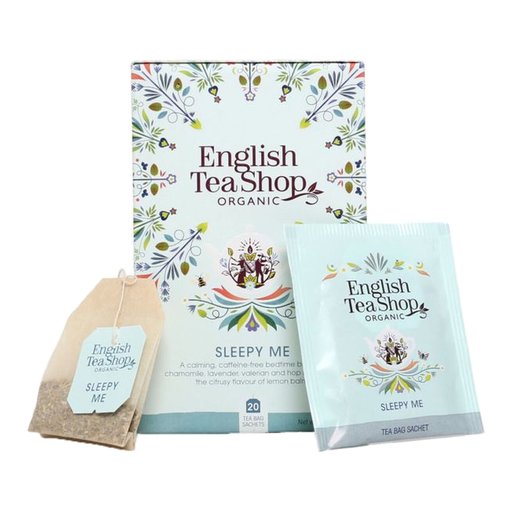 No image available
A caffeine-free herbal infusion to offer as a separate choice, not as a substitute for conventional black tea. The title identifies 20 sachets and a 30g pack; the product information calls for an infusion of at least 5 minutes. Check the exact ingredients and organic certification information on the current pack.
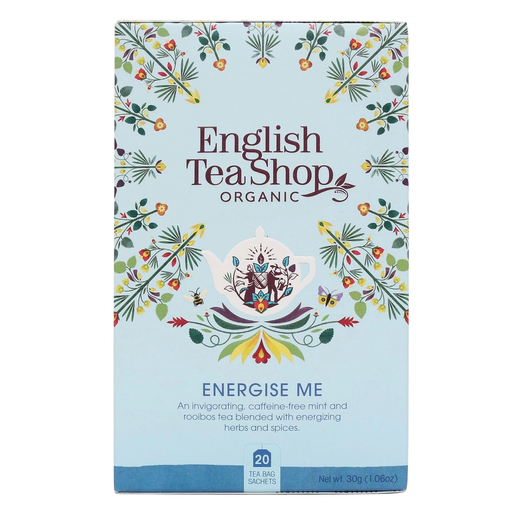 No image available
A caffeine-free herbal option rather than a black tea. The 30g product information gives a 5–7 minute brewing instruction and reports traces of celery from shared processing equipment; keep that information available for ingredient questions. Check the sachet count and the current pack’s organic certification information before buying.
Check the organic claim, ingredients and certification information for the exact pack. UK Department for Environment, Food & Rural Affairs guidance says food marketed as organic must meet applicable organic-production and certification conditions; Fairtrade or general sourcing claims do not establish those conditions on their own.
An organic black tea is a practical main option if visitors expect a conventional brew. Add decaf black tea for those who still want that format while avoiding regular black tea, or a naturally caffeine-free herbal infusion for a different drink; check the exact labels rather than treating the two alternatives as interchangeable.
If your activity is a food business, the Food Standards Agency says you must register with the local authority at least 28 days before trading or food operations start. Ask the relevant local authority whether your particular occasional activity meets that condition rather than assuming the event is exempt.
No single herbal blend answers every ingredient question. Check its exact ingredients and keep details of anything added to the served drink, including milk, sweeteners, lemon or syrups, so visitors can make an informed choice.
Not on the strength of the word “compostable” alone. Check whether the exact pack specifies home or industrial composting, and confirm whether your local collection accepts those tea bags before choosing a disposal route.