What should you check before choosing?
Start with the tea types people will actually drink, then check the exact pack’s organic information and quantity. Treat packaging instructions as a separate product-level check.
| Priority | What to check | Your needs |
|---|
| Organic status |
Look for an explicit organic claim on the exact pack or listing and check its certification information. Tesco’s Clipper 160-bag listing, for example, shows GB-ORG-05 alongside organically grown black tea. |
I want to check the particular tea I am buying, rather than assume a brand name, flavour description or Fairtrade claim means it is organic. |
| Pack size |
Compare bag counts for the tea types the household uses. Tesco lists 160 bags and 464g for Clipper Organic Everyday; Clipper lists an 80-bag organic and Fairtrade everyday tea. |
Several people may share one black tea every day, or a smaller pack may make more sense if preferences vary and storage space is limited. |
| Tea type |
Distinguish standard black tea, decaffeinated black tea, herbal infusions and green tea. Check individual blends in a mixed box: Waitrose’s Pukka 45-sachet selection includes naturally caffeine-free blends and Supreme Matcha Green. |
Some of us want everyday black tea, while others want decaf or a herbal option. I would not treat a mixed selection as entirely caffeine-free. |
| Other claims |
Check organic and Fairtrade claims separately on the exact product. Clipper’s 80-bag Everyday listing states both organically grown black tea and Fairtrade compliance for the tea. |
If both claims matter in our household, I want them stated for the pack we choose. |
| Disposal |
Read the instructions for the bag and its other components. Pukka says its UK tea bags are certified home compostable, but directs tags to paper recycling. |
I need instructions for the bags we buy, rather than apply one brand’s guidance to every wrapper, string and tag. |
Which brands offer relevant options?
These brand examples describe particular ranges and products, not an organic claim for every tea each brand makes.
Clipper
Clipper has everyday organic black-tea options in different pack sizes, as well as an organic decaf black tea.
- Tesco lists Organic Everyday with 160 bags, 464g of organically grown black tea and the GB-ORG-05 code.
- Clipper lists an 80-bag Organic & Fairtrade Everyday tea with organically grown black tea.
- Check the exact pack when choosing between standard and decaf tea; the two do not serve the same drinking preference.
Pukka
Pukka offers organic herbal teas and mixed selections for households wanting variety alongside an everyday tea.
- Pukka states that its products are certified organic. The 45-sachet selection listed by Waitrose contains nine blends.
- That mixed selection includes green tea as well as naturally caffeine-free blends, so check each blend if caffeine avoidance matters.
Twinings
Twinings has an organic and Fairtrade collection that includes teas outside the everyday black-tea format.
- Twinings lists Organic Pure Camomile in 20-bag and 4 × 20-bag sizes.
- Check the organic claim on the exact tea rather than applying a collection label to other Twinings packs.
Yorkshire Tea
Yorkshire Tea provides familiar black-tea styles to consider when deciding what the household normally drinks.
- Its official range describes standard, decaf, hard-water and Gold options.
- Those range names do not establish organic certification. Require an organic claim and certification information for any particular pack bought for that purpose.
Organic tea options on Joybuy
These packs cover moderate-size black tea and decaf options, plus smaller herbal selections that could sit alongside a household’s main tea. Check organic certification details on the exact pack or listing before relying on its organic claim.
 No image available
Clipper Organic Fairtrade Decaf Everyday 80 Tea Bags, 277g
An 80-bag decaf black-tea option for a household that wants a separate tea from its standard black-tea supply. The listing describes decaffeinated organically grown black tea and states a Fairtrade claim; check the exact pack’s certification information.
View on Joybuy
 No image available
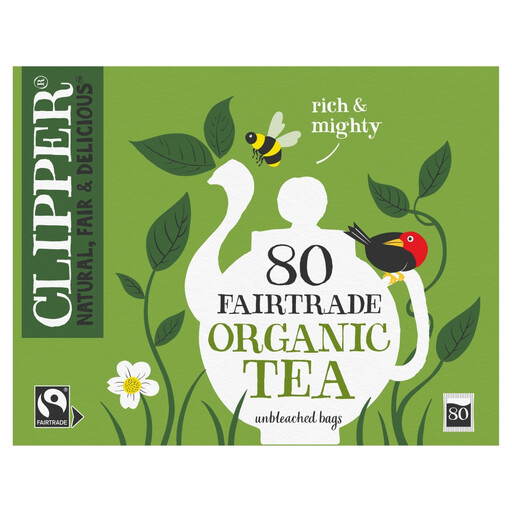
Clipper Organic Fairtrade 80 Tea Bags, 232g
An 80-bag black-tea pack for households that use everyday tea but do not want the 160-bag format. The listing identifies organically grown black tea and a Fairtrade claim; check the certification details for this exact pack.
View on Joybuy
 No image available
Pukka Organic Three Mint Herbal Tea, 20 Sachets, 32g
A 20-sachet herbal option rather than a bulk everyday-tea pack. The product description calls it caffeine-free, but its blend information mentions liquorice despite the Three Mint title: check the exact ingredients before buying. The listing also cautions against excessive liquorice consumption for people with high blood pressure and advises pregnant consumers to consult a professional.
View on Joybuy
 No image available
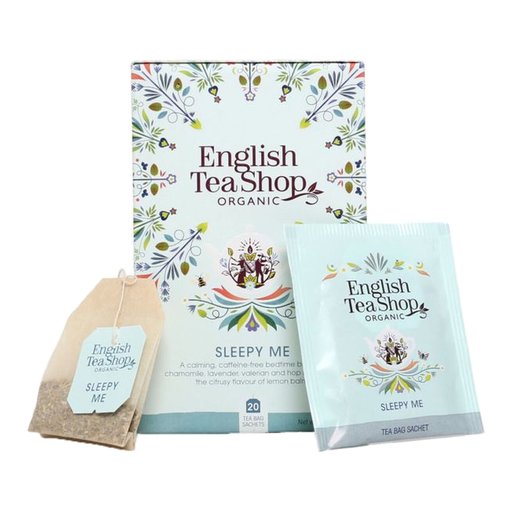
English Tea Shop Organic Sleepy Me, 20 Tea Bags, 30g
A 20-bag herbal blend to consider as a separate household option. The listing describes it as caffeine-free and identifies certified-organic ingredients; check the certification information on the exact pack.
View on Joybuy
 No image available
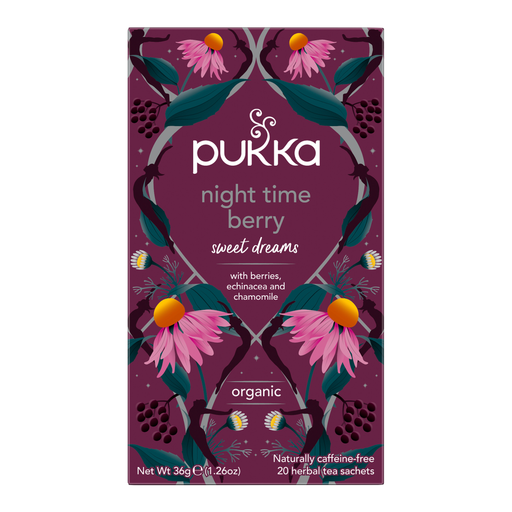
Pukka Night Time Berry Organic, 20 Tea Sachets, 36g
A 20-sachet berry and herbal option to consider alongside a household’s main tea. Check the exact blend if caffeine avoidance matters, and confirm the organic certification details on the pack or listing.
View on Joybuy
Questions about organic tea bags
How can I check whether tea bags are organic in the UK?
Look for an organic claim and certification information on the exact pack or listing. GOV.UK says products labelled organic must meet the applicable production rules and be certified by an approved organic control body. Tesco’s Clipper Organic Everyday 160-bag listing, for example, shows GB-ORG-05.
What pack format works for a household with several tea drinkers?
If several people regularly drink the same black tea, a larger pack may reduce how often it needs replacing: Tesco lists Clipper Organic Everyday with 160 bags and 464g. Check that the household wants that tea type, and choose separate decaf or herbal packs for drinkers who prefer them.
Does Fairtrade mean a tea is organic?
No; check both claims on the exact product if both matter to you. Clipper’s Organic & Fairtrade Everyday 80-bag listing states organically grown black tea and Fairtrade compliance, while GOV.UK sets separate requirements for organic labelling.
Is every tea in an organic mixed selection caffeine-free?
No. Read the individual blend descriptions: the Pukka 45-sachet selection listed by Waitrose includes naturally caffeine-free blends alongside Supreme Matcha Green.
Can organic tea bags go into home compost or food waste?
Follow the instructions for the specific tea bag and its components; an organic claim alone does not provide disposal directions. Pukka says its UK tea bags are certified home compostable and directs the bag paper, string and herbs to food waste, but the tag to paper recycling. That guidance does not establish a disposal route for other brands’ bags or wrappers.


