Everyday black-tea drinkers who prioritise organic ingredients
If a familiar black-tea brew is the starting point, look for an explicit organic claim on the particular pack. Fairtrade sourcing can be a separate consideration.


If organic ingredients are essential, choose tea bags with an explicit organic claim and check the certification information on the pack; Fairtrade and Rainforest Alliance claims answer different sourcing questions. Clipper Organic & Fairtrade Everyday is a black-tea option, while Twinings Organic Pure Peppermint and Pukka’s herbal range suit different flavour preferences. Check bag-disposal instructions separately rather than assuming an organic tea bag is home compostable.
If a familiar black-tea brew is the starting point, look for an explicit organic claim on the particular pack. Fairtrade sourcing can be a separate consideration.
Peppermint and other herbal infusions offer a different flavour from everyday black tea. If caffeine status matters, check the claim on the particular product rather than assuming every herbal blend is the same.
Bag material and disposal instructions matter alongside the tea itself. Recycle Now distinguishes materials that need industrial processing from those suitable for home composting; local collection rules also matter.
Start with the organic claim and the kind of tea you want. Treat sourcing standards and bag disposal as separate decisions.
| Priority | What to check | Your needs |
|---|---|---|
| Organic claim | Look for an explicit claim on the product and check its certification information. UK Department for Environment, Food & Rural Affairs guidance says food labelled organic must meet production and approved control-body certification requirements. | Organic ingredients are essential to my choice, so a general sustainability message will not answer the same question. |
| Tea type | Distinguish black tea from peppermint or other herbal infusions. Check the particular product’s caffeine claim if that affects your choice. | I want a familiar black-tea brew, or I would rather have a mint or herbal flavour; the organic claim alone does not decide between them. |
| Sourcing standard | Check the named standard on the product. Clipper states that its Organic & Fairtrade Everyday tea is traded in compliance with Fairtrade standards; Pukka says its teas are certified Fair for Life. | Alongside organic ingredients, I may want a distinct social-sourcing standard. I would check for that claim separately. |
| Bag disposal | Read whether a compostability claim applies at home or needs industrial processing. Recycle Now advises checking local-authority acceptance before using a food-waste collection for industrially compostable material. | I need disposal instructions that work with my home compost heap or local collection, not just a biodegradable claim. |
Fairtrade, Fair for Life and Rainforest Alliance claims address different standards from organic certification. A sourcing claim on its own does not establish that a tea is organic.
Check the product’s organic claim and certification information first, then consider any additional sourcing standard.
Recycle Now says tea bags sealed with plant-based plastic need industrial processing to break down completely. An industrially compostable claim is not a home-compostability claim.
Look for an explicit home-compostability label before home composting. Otherwise, follow the pack instructions and check which materials your local authority accepts.
Black tea, peppermint and mixed herbal infusions have different flavours and do not necessarily meet the same caffeine preference.
Choose the tea type for the drink you want, and check the individual pack if caffeine status is important.
Clipper Organic & Fairtrade Everyday is a black-tea option for shoppers considering both organic ingredients and a separate Fairtrade claim.
Twinings Organic Pure Peppermint is a named organic peppermint infusion rather than an everyday black tea.
Pukka offers herbal blends for shoppers who prefer that style to a conventional black-tea brew.
Yorkshire Gold is a black-tea blend to consider when its blend character matters more to you than an organic claim.
Typhoo is a black-tea reference for shoppers considering a stated sourcing standard separately from organic certification.
These options include black tea and herbal infusions with organic claims in their product names. Check the particular pack’s certification details before relying on an organic claim, and choose the tea type that fits the drink you want.
 Image unavailable
A decaf everyday-tea option for someone who wants black tea rather than a herbal infusion. The name specifies 80 bags and 277g; check the pack’s organic certification details and bag-disposal instructions.
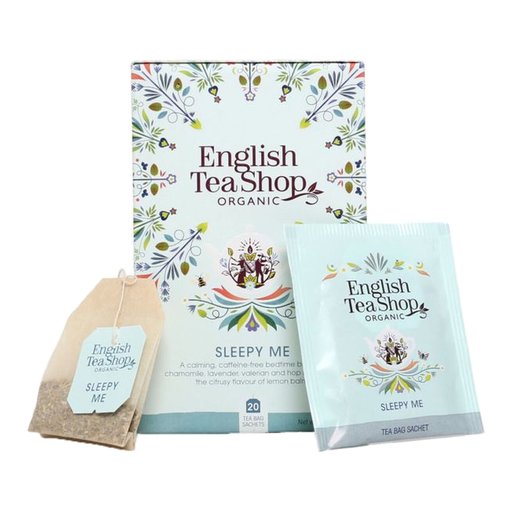 Image unavailable
A named herbal-tea option if you prefer an infusion to everyday black tea. The product name specifies 20 sachets and 30g; check the pack for the ingredients, caffeine status and organic certification details that matter to you.
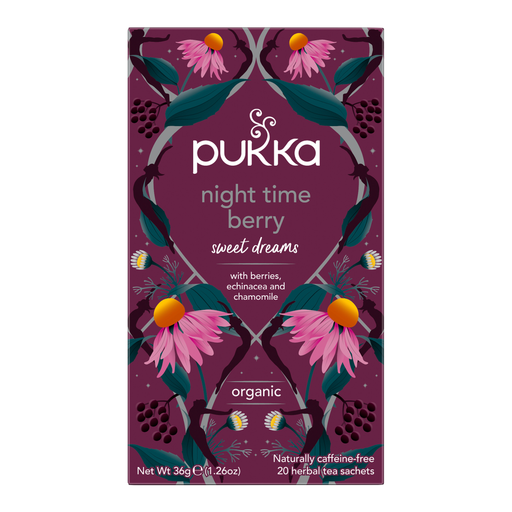 Image unavailable
A berry-named herbal option rather than a conventional black-tea bag. The product name specifies 20 sachets and 36g; check the pack’s caffeine information if caffeine-free tea is essential, as well as its organic certification details.
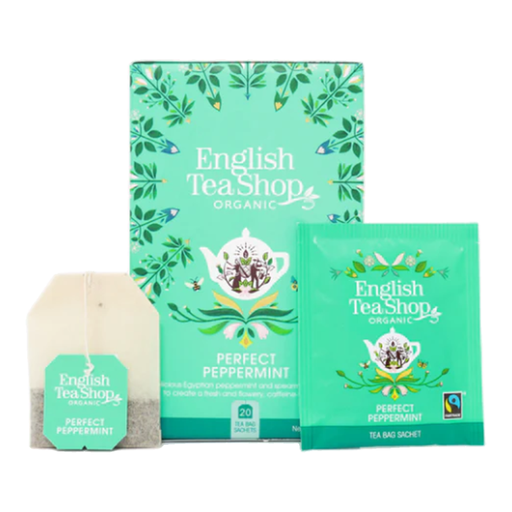 Image unavailable
A peppermint option if you want a mint infusion instead of black tea. The product name specifies 20g; check the pack’s organic certification details and whether any compostability instruction applies to home or industrial processing.
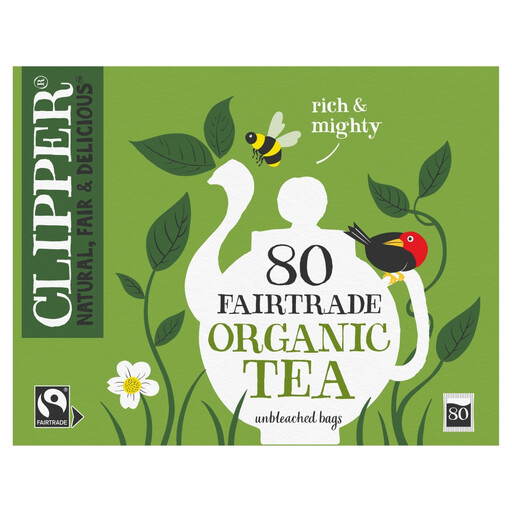 Image unavailable
An everyday-tea option if you want to consider organic and Fairtrade claims together. The product name specifies 80 bags and 232g; check the particular pack’s organic certification information before relying on its claim.
Check the explicit organic claim and the certification information on the pack. UK Department for Environment, Food & Rural Affairs guidance says food labelled organic must meet production rules and certification requirements involving an approved organic control body.
No: these are distinct claims. Clipper describes both organic ingredients and Fairtrade-compliant tea for its Organic & Fairtrade Everyday product, while Typhoo describes Rainforest Alliance sourcing for its blend. If organic status is essential, check for an organic claim on the particular tea.
Do not assume it can. Recycle Now says tea bags sealed with plant-based plastic need industrial processing to break down completely. Check for an explicit home-compostability label; for other disposal routes, follow the pack and local-authority guidance.
No. Recycle Now says compostable plastics are not recycled in the same way as conventional plastics. Follow the tea-bag pack’s instructions and check whether your local collection accepts the material.