What to check before choosing
Choose the type of drink you want, then check its organic labelling, caffeine description and preparation directions on the individual product.
| Priority |
What to check |
Your needs |
| Organic status |
Look for an organic claim and certification information on the exact pack or listing. The Department for Environment, Food & Rural Affairs says UK foods marketed as organic must meet organic rules and have the required certification; Fairtrade is a separate claim. |
I want to choose an organic product, not assume that every tea from a familiar brand has the same certification. |
| Caffeine |
Check whether the product is black or green tea, explicitly decaf, or labelled naturally caffeine-free. The NHS identifies tea as a source of caffeine; Twinings describes its Organic Pure Peppermint infusion as naturally caffeine-free. |
For a later lecture or study session, I want the caffeine description to match what I intend to drink. |
| Brewing time |
Read the directions for water and infusion time. Clipper advises 2–5 minutes for its Organic & Fairtrade Everyday black tea and 1–3 minutes for its organic green tea; Twinings advises 3 minutes for Organic Pure Peppermint. |
There is time for a cup before my next lecture, but I need a tea whose directions fit the break and the hot water I can use. |
| Ingredients and flavour |
Read the ingredient list to distinguish plain black or green tea from a flavoured tea or herbal infusion. Check the individual product if there are ingredients you avoid. |
I might prefer a conventional tea flavour, or I might want peppermint or a flavoured blend instead. |
Brand references for this decision
These examples show why it is worth checking individual products: organic status, tea type and caffeine descriptions do not apply automatically across a brand’s range.
Clipper
Clipper Tea Shop lists organic black, decaf black and green tea-bag products, offering several tea types to compare for a lunch break.
- Its Organic & Fairtrade Everyday listing names organically grown black tea; its Organic Everyday Decaf listing names decaffeinated organically grown black tea.
- Check the exact product for its organic claim, ingredients and brewing directions. Clipper describes PLA sealing material in its tea bags, so avoid treating “plant-based” as a disposal instruction.
Twinings
Twinings lists Organic Pure Peppermint tea bags for shoppers who want a mint herbal infusion rather than black or green tea.
- Twinings describes this specific product as 100% organic peppermint and naturally caffeine-free, with a 3-minute infusion direction.
- Those descriptions belong to Organic Pure Peppermint; check other Twinings products individually rather than extending the claims across the range.
Yorkshire Tea
Yorkshire Tea describes standard, decaf and hard-water teas in its range, which may help distinguish tea types and water-related preferences.
- The brand says minerals in hard water can make tea taste darker and thicker, explaining the purpose of its hard-water blend.
- Do not assume a Yorkshire Tea product is organic from its brand or tea type; check the individual pack if organic status is required.
Tea bag options on Joybuy
These listings include black tea, green tea and a herbal infusion for a lunch break. Check the exact pack’s organic information, ingredients, format and brewing directions before choosing.
 No image available
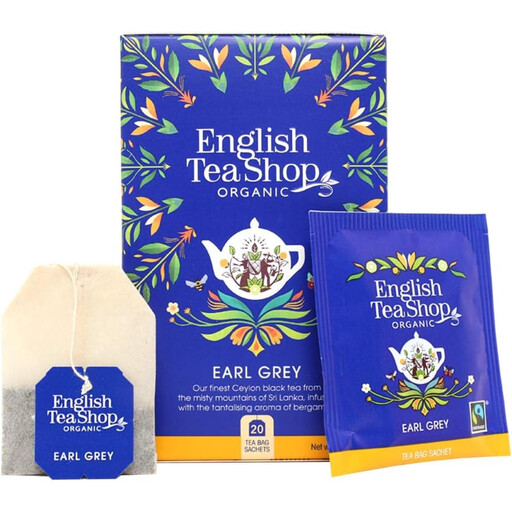
English Tea Shop Organic Earl Grey, 20 tea bag sachets, 45g
An Earl Grey option if you want a flavoured black tea at lunch. Check the exact pack’s organic certification information and preparation directions, including whether you can get the required hot water.
View on Joybuy
 No image available
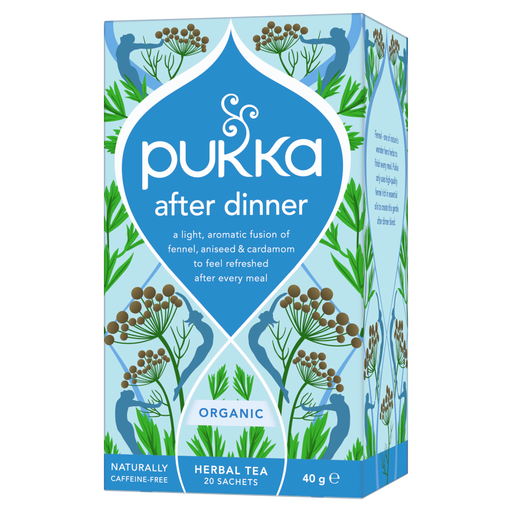
Pukka Feel New Organic, 20 sachets, 40g
A herbal-infusion option rather than a black or green tea. Check its ingredient and caffeine descriptions, the exact pack’s organic information and whether its brewing directions fit your break.
View on Joybuy
 No image available
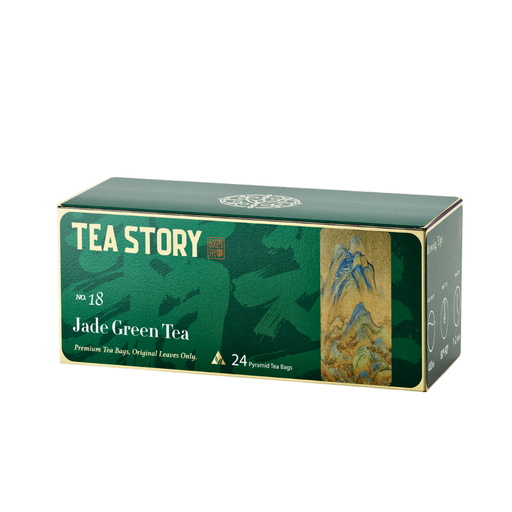
TEA STORY Jade Green Tea, 24 organic pyramid bags × 2g
A green-tea choice if that flavour suits lunch. Do not treat it as caffeine-free on the basis of its tea type; check the pack’s organic certification information and brewing directions.
View on Joybuy
 No image available
Tea Story Rose Black Tea, 24 × 3g
A rose-flavoured black-tea option. Check the actual pack format before choosing it for a shared kitchen: the product title describes both loose leaf and tea bags. Also check the pack’s organic information and brewing directions.
View on Joybuy
 No image available
Tea Story Coral Black Tea, 24 organic bags × 2g
A black-tea bag option for a single cup at lunch. Check the exact pack’s organic certification information and brewing directions; do not assume its caffeine content from wording about the time of day.
View on Joybuy
Questions about organic tea bags
How can I check whether tea bags are organic in the UK?
Check the organic claim and certification information on the exact pack or product listing. The Department for Environment, Food & Rural Affairs says foods marketed as organic in the UK must meet organic rules and the product and suppliers must be certified by an approved organic control body.
Does Fairtrade mean a tea is organic?
No. Fairtrade and organic are separate product claims, so check each one individually. Clipper Tea Shop’s Organic & Fairtrade Everyday listing, for example, identifies organically grown black tea and separately describes the tea as traded in compliance with Fairtrade standards.
What if I want to avoid caffeine before a later lecture?
Look for a product explicitly described as naturally caffeine-free, such as Twinings Organic Pure Peppermint, if avoiding caffeine is your priority. If you prefer black tea, Clipper Tea Shop lists Organic Everyday Decaf as decaffeinated black tea; decaf and naturally caffeine-free are different descriptions, so read the individual label.
Is green tea caffeine-free?
Do not assume it is. The NHS identifies tea as a source of caffeine, and a green tea’s lighter flavour is not a caffeine-free claim. Check the individual pack for explicit decaf or naturally caffeine-free wording if that distinction matters to your choice.
How much brewing time should I allow at lunch?
Follow the directions for the product you choose and allow time to get hot water. Clipper advises 2–5 minutes for its Organic & Fairtrade Everyday black tea and 1–3 minutes for its organic green tea; Twinings advises 3 minutes for Organic Pure Peppermint.


