Who is this choice for?
The useful distinction is whether organic certification, caffeine or the role of tea in an older adult’s drinks routine is driving the purchase.
Older adults who want organic everyday tea
Check the organic claim and certification information for the particular tea, not just the brand. The Department for Environment, Food & Rural Affairs says UK organic food labelling depends on production and certification requirements; words such as “natural” do not establish organic status.
People choosing around caffeine
Organic decaf black tea offers a familiar tea format with reduced caffeine. An organic camomile infusion is a different drink that Clipper and Twinings describe as naturally caffeine-free. Check the exact product if a precise caffeine limit matters.
Carers considering drinks and appetite
The NHS includes tea in daily fluid intake. British Nutrition Foundation material for older adults with poor appetites also suggests milk in hot drinks when extra calories and protein are wanted and milk is suitable. Follow individual advice where fluids or swallowing are restricted.
What should you check?
Start with the type of drink the person enjoys, then check the exact pack’s organic information and any caffeine or ingredient considerations.
Organic decaf black tea
Consider it when: a familiar black-tea flavour matters, but the person wants to reduce caffeine.
Bear in mind: decaf is not the same claim as naturally caffeine-free, so check the product if caffeine must be closely monitored.
Organic herbal infusion
Consider it when: avoiding caffeine matters more than keeping the taste of black tea.
Bear in mind: ingredients and flavour vary between blends; check the full list where allergies, medicines or other cautions matter.
Organic regular black tea
Consider it when: the person prefers their usual black-tea routine and does not need a decaf or caffeine-free option.
Bear in mind: regular black tea contains caffeine, which can vary with the tea and how it is brewed.
| Priority |
What to check |
Your needs |
| Organic claim |
Check the exact product’s organic wording, ingredients and certification information. The Department for Environment, Food & Rural Affairs says UK organic food labelling requires certification and at least 95% organic agricultural ingredients. |
I want the tea itself to meet organic requirements, rather than relying on a claim about its bag, carton or sourcing. |
| Caffeine and flavour |
Distinguish regular black tea, decaf black tea and a naturally caffeine-free herbal infusion. Check product-specific caffeine information if an exact amount matters. |
For an evening drink, I may prefer an infusion without caffeine; if black-tea flavour matters more, I can look at decaf. |
| Drinks and appetite |
Consider whether tea is being offered for fluid intake or whether a drink providing calories and protein is also wanted. Follow any individual fluid or swallowing instructions. |
I want a drink the person enjoys, while keeping their appetite and any care instructions in mind. |
| Tea with meals |
For someone managing iron-deficiency anaemia, check their clinician’s advice on tea timing. University Hospitals Coventry and Warwickshire NHS Trust says tea with a meal can greatly reduce iron absorption. |
If iron deficiency is being managed, I need to plan when to serve tea, regardless of whether it is organic. |
Relevant tea brands
These brand examples illustrate particular tea types and claims; check the individual pack rather than assuming every product from a brand has the same attributes.
Clipper
Clipper lists organic black tea, decaf black tea and camomile infusion in its UK product range.
- Clipper’s product pages list organically grown tea for its English Breakfast and Everyday Decaf products, and organically grown camomile for its infusion.
- Check the chosen pack’s certification and caffeine information; the organic claim alone does not tell you whether a tea is decaf.
Twinings
Twinings lists an Organic Pure Camomile infusion for shoppers who want a herbal rather than black-tea drink.
- Twinings describes this 20-bag product as 100% organic camomile and naturally caffeine-free.
- Camomile has a different flavour from black tea; check the exact ingredients for individual suitability.
Yorkshire Tea
Yorkshire Tea lists original and decaf black-tea ranges for people comparing familiar tea formats.
- For its original tea, Yorkshire Tea states an average of 48 mg caffeine in a 200 ml cup brewed for 5 minutes; it notes that caffeine varies.
- A decaf option or a packaging claim does not establish that a particular tea is organic. Check the exact product for an organic claim.
Tetley
Tetley is a familiar tea brand to consider when packaging characteristics matter alongside the choice of tea.
- Tata Consumer Products’ 2025 sustainability report says a significant portion of its tea-bag portfolio had moved to plant-based bags.
- That portfolio-wide packaging statement does not establish organic status for any particular Tetley tea. Check the exact pack if organic tea is required.
Organic-labelled tea options on Joybuy
These tea bags cover decaf black tea, herbal blends and regular black tea. Compare the exact pack’s organic information and ingredients with the drink the older adult prefers.
 No image available
Clipper Organic Fairtrade Decaf Everyday, 80 tea bags, 277g
A decaf black-tea option for someone who wants a familiar brew while reducing caffeine; the pack contains 80 tea bags. Check the exact pack’s organic certification information, and confirm its caffeine details if a precise limit matters.
View on Joybuy
 No image available
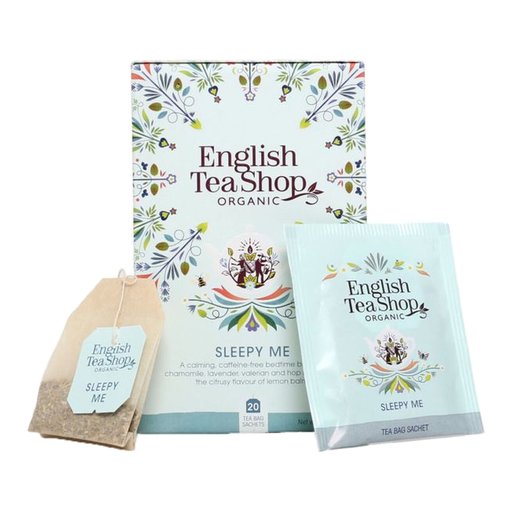
English Tea Shop Organic Sleepy Me, 20 sachets, 30g
A herbal alternative to black tea for someone considering an evening drink; the pack contains 20 sachets. Check the complete ingredient list where herbs, medicines or allergies are a concern, and confirm the organic certification information on the exact pack.
View on Joybuy
 No image available
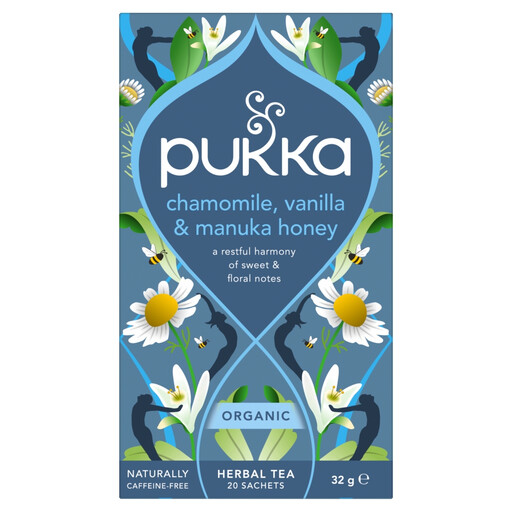
Pukka Chamomile Vanilla & Manuka Honey, 20 sachets, 32g
A chamomile-flavoured herbal option rather than a conventional black tea; the pack contains 20 sachets. Check the full ingredients, particularly if chamomile-family allergies are relevant, and confirm the exact pack’s organic certification information.
View on Joybuy
 No image available
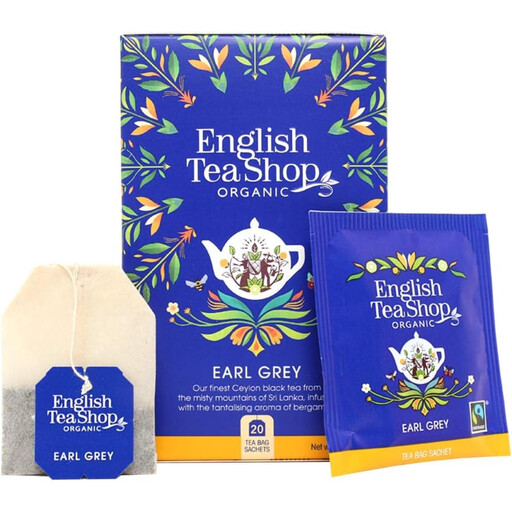
English Tea Shop Organic Earl Grey, 20 sachets, 45g
An Earl Grey black-tea option for someone who prefers that flavour and does not need a caffeine-free infusion; the pack contains 20 sachets. Check the exact pack’s certification and caffeine information if either affects the choice.
View on Joybuy
 No image available
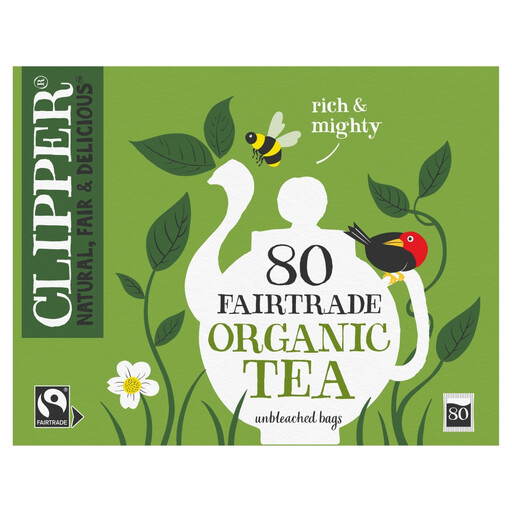
Clipper Organic Fairtrade, 80 tea bags, 232g
A regular black-tea option for an everyday tea routine; the pack contains 80 tea bags. Do not assume it is decaf from the organic or Fairtrade wording: check its caffeine details if reduction matters, along with certification information for the exact pack.
View on Joybuy
Questions about organic tea bags
How can I check an organic tea claim in the UK?
Check the organic wording and certification information for the exact tea. The Department for Environment, Food & Rural Affairs says UK organic food labelling requires certification and at least 95% organic agricultural ingredients. “Natural”, Fairtrade and plant-based packaging claims do not establish that the tea is organic.
Does tea count towards an older adult’s fluid intake?
Yes. The NHS includes tea among drinks that count towards daily fluid intake. Follow the person’s healthcare instructions instead if they have a fluid restriction or need modified drinks for swallowing.
Does organic tea provide the nutrition needed when appetite is poor?
Organic certification concerns production and labelling, not whether a brewed drink provides the calories and protein someone needs. British Nutrition Foundation material for older adults with poor appetites suggests adding milk to hot drinks when extra calories and protein are wanted and milk is suitable. Seek clinical advice for persistent poor intake or swallowing difficulties.
Should someone with iron-deficiency anaemia have tea with meals?
University Hospitals Coventry and Warwickshire NHS Trust says tea with a meal can greatly reduce iron absorption. Choosing organic tea does not change that consideration; follow the treating clinician’s advice on timing.
Is a naturally caffeine-free infusion the same as decaf tea?
No. Clipper describes its organic camomile infusion as naturally caffeine-free, while its Organic & Fairtrade Everyday Decaf contains decaffeinated black tea. Choose between the different flavours and check product-specific information if caffeine needs to be closely monitored.


