For a UK train journey, choose tea bags with an organic claim on the specific product if organic production matters to you: GOV.UK says products and suppliers must be certified to use that label. Organic black tea suits a conventional brew, decaf black tea suits a decaf preference, and a camomile infusion offers a different, naturally caffeine-free drink. Bring a cup and plan for safe hot water rather than assuming it will be available on board.
Who might choose these tea bags?
Travellers prioritising organic tea
If organic production is the deciding factor, check the claim on the exact pack rather than relying on words such as ‘natural’ or on a brand-wide statement. Tea bags are easy to carry, but you still need a way to make the drink.
Travellers choosing by caffeine preference
Decaffeinated black tea keeps the black-tea format; camomile is a herbal infusion described by Twinings as naturally caffeine-free. Compare the ingredient base as well as the caffeine wording on the product you choose.
Shoppers considering disposal
Tea-bag material and organic sourcing are separate choices. Clipper and Twinings describe specific bags as industrially compostable, but that does not establish what happens to a used bag placed in a train bin.
What should you check before buying?
Start with the exact tea and its organic label, then choose the drink you want and work out how you will brew it during the journey.
| Priority | What to check | Your needs |
|---|
| Organic status |
Check the exact pack’s organic claim, ingredients and certification information. GOV.UK says products and suppliers must be certified for a product to be labelled organic. |
I want the tea itself to meet my organic preference, not just to carry an ethical-sourcing or packaging claim. |
| Brewing on board |
Check the product’s brewing instructions and your operator’s catering arrangements. Bring a suitable cup and plan how to handle hot water safely. |
If I cannot count on hot water during the journey, I can prepare a flask beforehand rather than carry dry tea bags alone. |
| Type of drink |
Compare black tea, tea labelled decaf and herbal ingredients. For a specific caffeine limit, check the chosen pack rather than treating ‘decaf’ as a measured caffeine amount. |
For a familiar black-tea drink, I would choose black tea or a decaf version; for a different herbal drink, camomile is an option. |
| Other claims |
Read Fairtrade, Rainforest Alliance and tea-bag material claims separately from the organic label. Check which claim applies to the exact product. |
I may care about sourcing or packaging too, but I do not want either to stand in for organic status. |
| Disposal |
Check whether a compostability claim specifies industrial processing and whether an appropriate collection route is available where you use the bag. |
When I finish my drink while travelling, I need to use the waste facilities actually provided. |
What can catch you out?
-
Taking another claim as proof of organic status
Fairtrade terms, Rainforest Alliance sourcing and plant-based tea-bag materials describe different characteristics. GOV.UK sets separate certification requirements for using an organic food label.
If organic production is essential to your choice, check the exact tea’s organic label and certification information before comparing its other claims.
-
Packing tea bags without a brewing plan
National Rail welcomes passengers bringing their own food and drink, but onboard catering varies by service. Dry tea bags still require a cup and hot water.
Check your operator before travelling. If you cannot rely on hot water on board, prepare a suitable flask or take a ready-to-drink alternative.
-
Putting a compostable bag in any travel bin
Industrial compostability depends on an appropriate collection and processing route; a general waste bin does not establish one.
Follow the disposal facilities available at the station or on the train rather than assuming a compostability claim applies to every bin.
Which brands are relevant?
These brand examples illustrate different claims and drink types; check the individual product rather than applying a claim to an entire range.
Clipper
Clipper lists organically grown black tea for its Organic Everyday and Organic & Fairtrade Everyday products.
- The Organic & Fairtrade Everyday product also states that its tea is traded in compliance with Fairtrade standards.
- Clipper describes its plant-based PLA tea bags as industrially compostable; check whether a suitable disposal route is available.
Twinings
Twinings Organic Pure Camomile is a herbal-infusion alternative to black tea, sold as 20 single tea bags.
- Twinings lists 100% organic camomile and describes the infusion as naturally caffeine-free.
- Its stated tea-bag, carton and foil-wrap disposal routes differ; do not put them all in the same recycling stream without checking local facilities.
Yorkshire Tea
Yorkshire Tea lists decaf and hard-water blends for shoppers considering those characteristics alongside their organic preference.
- A range description does not establish organic status for an individual pack; check its label if that is a requirement.
Typhoo
Typhoo states that its blend comes from Rainforest Alliance Certified gardens.
- That sourcing claim is distinct from the UK organic food label; check the exact tea for an organic claim.
Tetley
Tetley is relevant when comparing tea-bag packaging with the tea’s own sourcing and labelling.
- Tata Consumer Products says part of its tea-bag portfolio has moved to plant-based bags intended for industrial composting where suitable food-waste schemes are available.
- A portfolio-level packaging statement does not establish that a particular Tetley tea is organic.
Tea bags to consider on Joybuy
These options include herbal infusions, Earl Grey black tea and decaf black tea to pack for a journey. Check the exact pack’s organic label and arrange a cup and safe hot water before relying on any of them for a drink on board.
 No image available
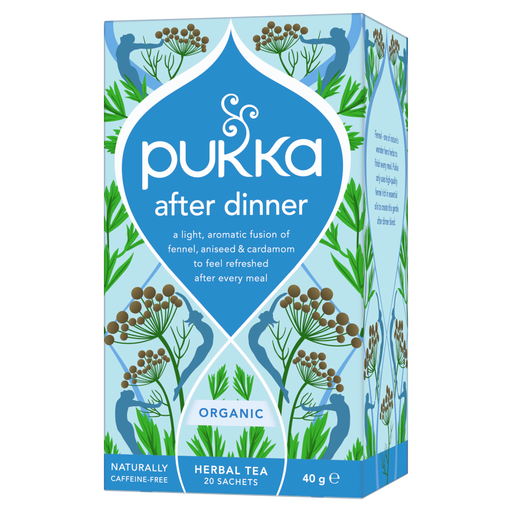
Pukka Feel New Organic, 20 sachets, 40g
A sachet-format herbal option to pack for the journey; bring a cup and plan for hot water. The listing notes traces of celery, so check the pack’s allergen information.
View on Joybuy
 No image available
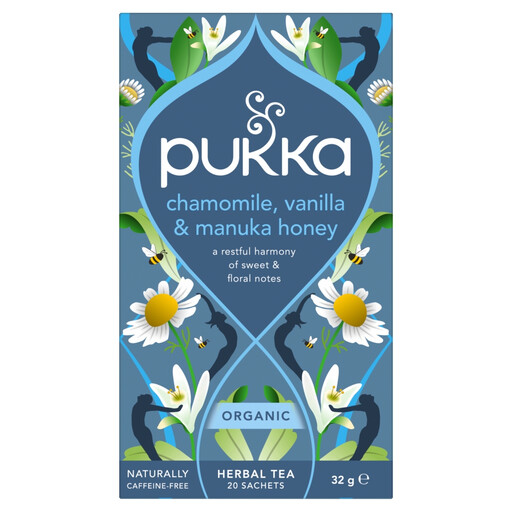
Pukka Chamomile Vanilla & Manuka Honey, 20 sachets, 32g
Choose this herbal blend if you want camomile rather than black tea. Pack a cup and arrange hot water; check the ingredients if plants in the camomile family are an allergy concern.
View on Joybuy
 No image available
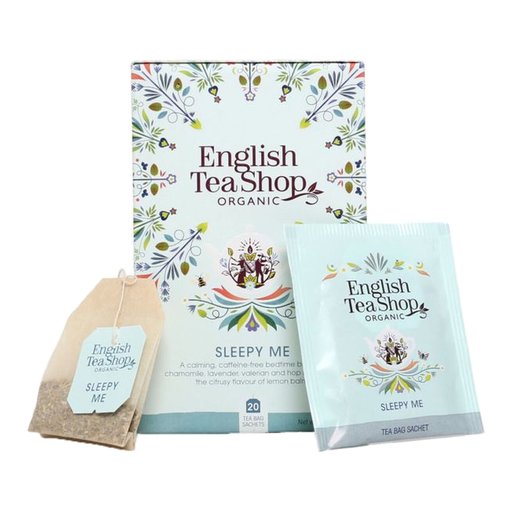
English Tea Shop Organic Sleepy Me, 20 sachets, 30g
A herbal tea-bag option rather than a black-tea brew. Allow for a cup and hot water when planning where to drink it on the journey.
View on Joybuy
 No image available
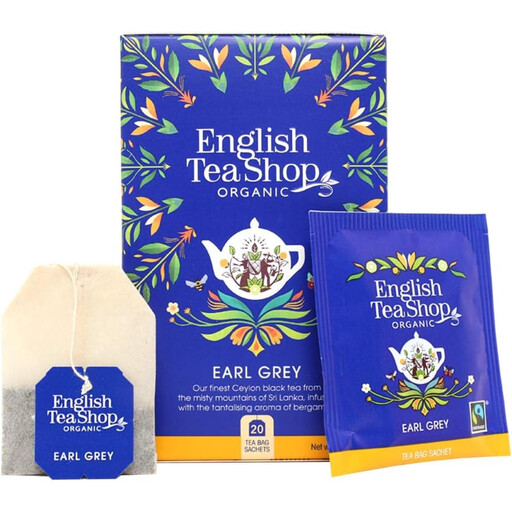
English Tea Shop Organic Earl Grey, 20 sachets, 45g
An Earl Grey black-tea option if you prefer that style to a herbal infusion. It is not presented as decaf; check the pack if caffeine content matters to your choice, and plan for a cup and hot water.
View on Joybuy
 No image available
Clipper Organic Fairtrade Decaf Everyday, 80 bags, 277g
A decaf black-tea choice for someone who wants that format rather than a herbal infusion. Check the pack if you need a specific caffeine limit, and bring a cup and a safe source of hot water.
View on Joybuy
Common questions
How can I check whether tea bags are organic in the UK?
Check the organic claim, ingredients and certification information on the exact product. GOV.UK says a product and its suppliers must be certified for the product to be labelled organic; a separate sourcing or packaging claim is not a substitute.
Can I bring my own tea bags on a UK train?
Yes. National Rail says passengers may bring their own food and drink. To make tea from the bags, you will also need a cup and a safe way to obtain hot water.
Will hot water be available on my train?
Do not assume it will be. National Rail says catering varies by train company and service, so check your operator before travelling and consider preparing a suitable flask if you need a dependable hot drink.
Does Fairtrade or Rainforest Alliance sourcing mean tea is organic?
No. Those claims address different matters from the UK organic food label. If organic production is your requirement, check the organic claim on the specific tea even when it also carries another sourcing claim.
Can compostable tea bags go in any bin while travelling?
No. Clipper and Twinings describe particular tea bags as industrially compostable, which calls for a suitable collection and processing route. Use the facilities actually available rather than treating a general travel bin as an industrial-composting collection point.


