
24/7 Customer Support

Free returns

Same-day & Next-day Delivery

Quality Guaranteed

Unlock Your Welcome Offers: FREE Delivery | Up to 80% OFF | Free 30-day JoyPlus trial
Download the APP
Navigating the world of organic tea can feel overwhelming. Shelves are packed with boxes promising wellness and purity, but not all brews are created equal. Many of us have been disappointed by a tea that tasted artificial or later discovered our "eco-friendly" tea bags were sealed with plastic. It's easy to spend money on products that don't live up to their wholesome image.
As the Joybuy Product Recommendation Officer, my role is to help you see past the marketing jargon. Let's look at a few common pitfalls and how to sidestep them to find a truly satisfying and genuinely organic cuppa.
To ensure you're getting what you pay for, focus on a few key details on the packaging. These non-negotiable points separate the genuinely good from the cleverly marketed.
Certifications are your assurance of quality and ethical standards. Two of the most important ones to look for in the UK are:
A high-quality organic tea relies on the purity of its ingredients, not on additives. When you check the list, look for simplicity.
If the list is long and includes "flavourings" or other additives, it may be a sign that the core ingredients are of a lower quality.
The material of the tea bag is just as important as what's inside it. Look for explicit statements on the box such as:
These features ensure your tea-drinking ritual is as kind to the planet as it is to your body.
Based on these practical criteria, here are a few options that align with different needs and preferences.
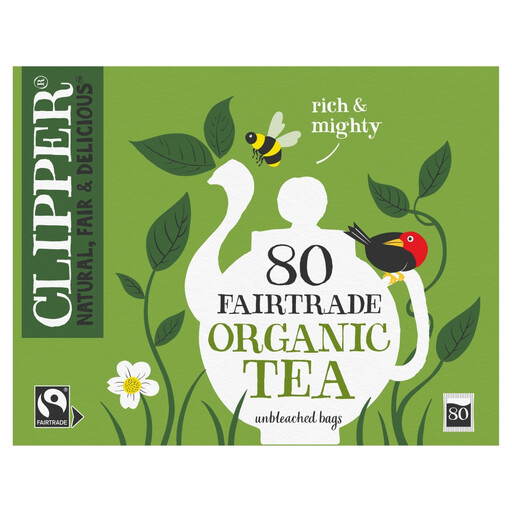
Why This Fits Their Persona: This is for the person who enjoys several cups of classic black tea a day and wants to make an ethical choice without a premium price tag. It's a reliable, robust brew for your daily routine.
It carries both Organic and Fairtrade certifications, and the unbleached, plant-based bags are plastic-free. The ingredient is simply "Organically grown black tea."
Excellent value for a fully certified product. The 80-bag box makes it a practical and economical choice for daily consumption.

Why This Fits Their Persona: Ideal for those seeking a functional tea for sleep or a calming moment in the evening. This person prioritises pure, high-quality herbal ingredients for their wellness rituals.
The ingredients are simply a blend of three types of organic chamomile flowers. It's naturally caffeine-free and uses compostable bags, avoiding artificial flavours and plastics.
The use of three varieties of chamomile (Egyptian, Hungarian and Croatian) creates a fuller, sweeter and more complex floral flavour than single-origin chamomile teas.

Why This Fits Their Persona: Perfect for those who love the taste and ritual of a traditional cuppa but need a decaf tea option for the afternoon or evening. They want a full-flavoured tea without the caffeine kick.
This tea is naturally decaffeinated and holds both Organic and Fairtrade certifications. The bags are unbleached and plastic-free, ensuring a pure, ethical brew.
It delivers a rounded, robust flavour that is often missing in decaffeinated teas, making it a satisfying alternative to a standard caffeinated black tea.
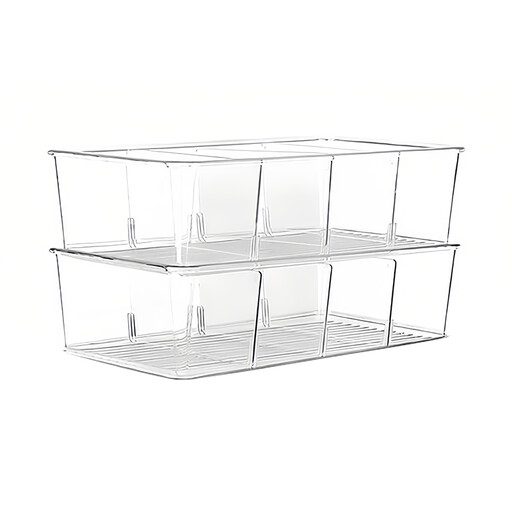
Why This Fits Their Persona: For the tea lover whose collection of boxes is taking over the kitchen cupboard. This person values a tidy, efficient space and wants a practical way to see and access their favourite teas.
This tea bag organiser solves the problem of kitchen clutter. It prevents you from buying duplicate teas because you can't see what you have, saving money and reducing waste.
The clear PET plastic and compartment design make it easy to separate and identify different teas—from peppermint tea to Earl Grey—at a glance.
We have compiled a complete, real-time list of products that fully satisfy these strict selection criteria and UK safety regulations.
Organic certification, like that from the Soil Association, focuses on environmental standards. It means the tea was grown without synthetic pesticides and fertilisers. Fairtrade certification focuses on the people involved. It ensures that farmers and workers receive fair wages and work in safe conditions. A tea can be one, the other, or both.
The most reliable way is to check the packaging for claims like "plastic-free", "biodegradable" or "home compostable". Brands that have made the switch are usually keen to state it. If the box doesn't mention it, and the bag has a shiny, heat-sealed edge, it likely contains plastic.
Choosing organic tea is primarily a way to reduce your exposure to synthetic pesticides and herbicides used in conventional farming. While it's difficult to make direct health claims, many people choose organic as part of a lifestyle that prioritises minimising contact with artificial chemicals. The focus is on what's left out—the pesticides—rather than added health benefits.