
24/7 Customer Support

Free returns

Same-day & Next-day Delivery

Quality Guaranteed

Unlock Your Welcome Offers: FREE Delivery | Up to 80% OFF | Free 30-day JoyPlus trial
Download the APP
For many of us in the UK, a cup of tea is more than just a drink; it’s a ritual. As we become more conscious of what we consume, the demand for high-quality organic tea has grown. However, navigating the market can be tricky. Vague labels and appealing packaging can sometimes hide disappointing quality or practices that don't align with our values.
As a Joybuy Product Recommendation Officer, my role is to help you see past the marketing clutter. This guide will highlight a few common pitfalls to watch for and explain the key factors that truly matter when selecting your next brew, ensuring you get a product that is both enjoyable and responsibly made.
Before you buy, be aware of these common issues that can lead to a less-than-perfect cup:
To avoid these traps, focus on a few core parameters that indicate true quality and integrity.
When you see a certification, it's helpful to know what it represents.
The material of the tea bag is just as important as the tea inside. Brands committed to sustainability are moving towards plastic-free tea bags. These are often made from plant-based materials like Soilon (a corn starch derivative) or are simply unbleached paper bags that are fully compostable. Check the packaging for terms like "plastic-free," "home compostable" or "biodegradable."
Understanding the main types of tea will help you find the perfect match for your taste and mood.
Here are a few selections that align with these quality principles, matched to different tea-drinking preferences.
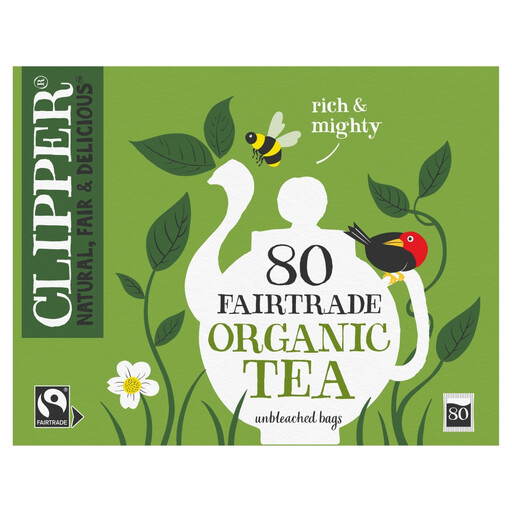
Why This Fits Their Persona: This is for the person who drinks several cups a day and wants a reliable, great-tasting black tea that doesn't compromise on ethics or sustainability. It offers excellent value for a daily brew.
It holds both Organic and Fairtrade certifications, avoiding the "organic illusion." Clipper is also a pioneer in plastic-free tea bags, using unbleached, plant-based materials.
A rounded, robust flavour perfect for an everyday cup. The dual certification provides peace of mind about its environmental and ethical credentials.
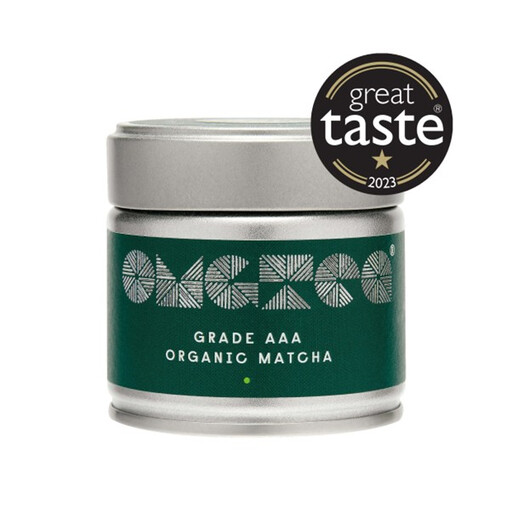
Why This Fits Their Persona: For the adventurous drinker looking to explore the world of matcha powder. This is a premium product for those who appreciate the nuanced, umami flavour of high-quality green tea.
It sidesteps the "fading flavour" trap by being a pure, 100% organic matcha powder. The AAA grade is a clear indicator of quality, ensuring a vibrant and authentic taste experience without hidden fillers.
This is a high-grade organic matcha suitable for traditional preparation. Its fine texture and rich flavour make it versatile for lattes, smoothies or a classic whisked tea.
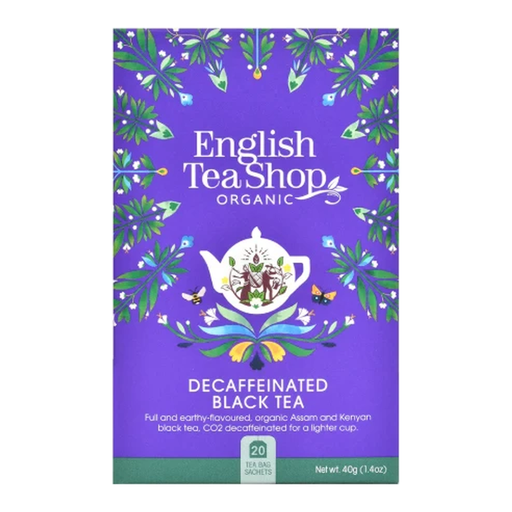
Why This Fits Their Persona: Ideal for those who enjoy the ritual and flavour of a traditional cuppa in the afternoon or evening but are looking to reduce their caffeine intake.
Many decaf teas can taste weak, but this one is designed to retain a rich black tea flavour. Being organic and using a natural decaffeination method ensures purity without unwanted chemical residues.
A smooth and mellow taste that provides a satisfying decaf tea experience. It's certified organic, offering a clean, flavourful alternative for any time of day.
We have compiled a complete, real-time list of products that fully satisfy these strict selection criteria and UK safety regulations.
1. What is the difference between organic and Fairtrade tea? Organic certification focuses on the agricultural process, ensuring no synthetic pesticides or fertilisers are used. Fairtrade certification focuses on the economic and social side, ensuring farmers and workers receive fair wages and work in safe conditions. A tea can be one, the other, or both. For a product that is both environmentally and ethically sound, look for dual certification.
2. How can I tell if a tea bag is plastic-free? The most reliable way is to check the product packaging. Brands that use plastic-free tea bags are usually proud of this and will state it clearly. Look for phrases like "compostable," "biodegradable" or "made from plant-based materials." If it's not mentioned, you can visit the brand's website or assume it may contain plastic.
3. Is organic tea better for my health? Choosing organic tea is primarily a way to reduce your exposure to synthetic pesticide residues. While it's difficult to make direct health claims, consuming products grown in a way that minimises chemical inputs is a choice many people make for their overall well-being. The focus is on purity and a cleaner agricultural process.