
24/7 Customer Support

Free returns

Same-day & Next-day Delivery

Quality Guaranteed

Unlock Your Welcome Offers: FREE Delivery | Up to 80% OFF | Free 30-day JoyPlus trial
Download the APP
As a nation of tea drinkers, we’re faced with more choice than ever. The shelves are brimming with options, especially in the world of organic tea. But with so many brands vying for your attention, it’s easy to feel overwhelmed or, worse, end up with a product that doesn’t live up to its promises. As a Product Recommendation Officer, my role is to help you navigate this crowded market and find a brew that’s genuinely worth your time and money.
Before you add another box of tea to your basket, let’s look at a few common pitfalls that catch out even savvy UK shoppers.
To ensure you’re getting a high-quality product, focus on these three key factors. They are the difference between a disappointing cup and a truly satisfying one.
In the UK, the most reliable indicators of a genuinely organic product are official logos on the packaging.
The format of the tea significantly impacts its flavour, cost and convenience.
A transparent ingredient list is a sign of a confident brand. For a herbal tea like ginger tea or peppermint tea, the ingredients should be simple and clear—ideally just "ginger root" or "peppermint leaves." Be wary of lists that include "natural flavourings," as this can sometimes be a way to mask lower-quality base ingredients. For more complex products like matcha powder, the label should specify its grade and origin, as this directly relates to its quality and intended use (e.g., for ceremony or cooking).
To help you make a choice, we've matched some popular organic teas to different needs and preferences.
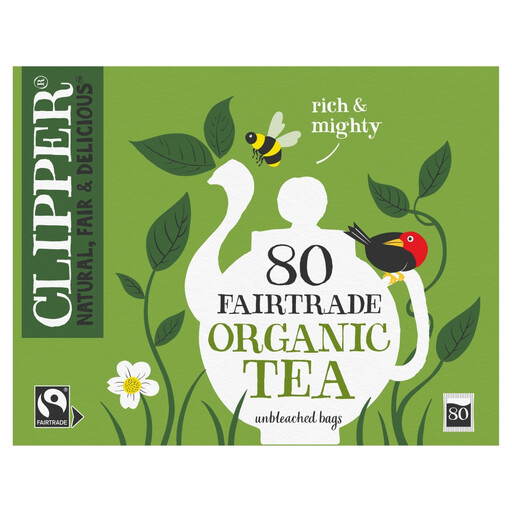
Why This Fits Their Persona: For those who enjoy several cups of organic black tea throughout the day, this offers a reliable, flavourful and ethically sound choice without a hefty price tag. It's a no-fuss brew for the daily routine.
It sidesteps the "organic-ish" trap with clear Organic and Fairtrade certifications, assuring you of its credentials. The focus is on a quality everyday blend, not over-hyped marketing.
A rounded and robust blend in unbleached, plastic-free tea bags. The 80-bag pack offers excellent value for a daily drinker.
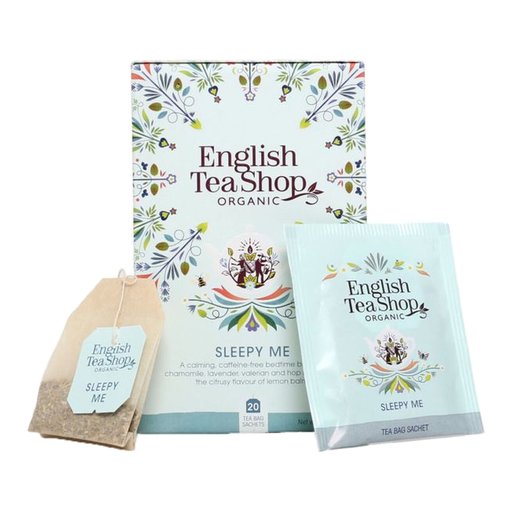
Why This Fits Their Persona: This person is looking for a specific functional brew, a tea for sleep. They want a caffeine-free, calming herbal tea to help them unwind before bed.
It avoids vague wellness promises by clearly listing its functional organic ingredients: chamomile, lavender, valerian root and lemon balm. The name "Sleepy Me" suggests a purpose without making unprovable claims.
A harmonious, caffeine-free blend of herbs traditionally associated with relaxation. Certified organic and packaged in compostable tea bags.

Why This Fits Their Persona: This individual appreciates the finer details of tea, particularly high-quality organic green tea like matcha. They are looking for an authentic experience or a premium tea gift set for a fellow enthusiast.
It counters the flavour disappointment trap by being a specified high-grade (AA Grade) matcha powder. The quality is verifiable in its vibrant colour, fine texture and smooth, umami flavour, not just in marketing.
Sourced from Japan and crafted from first-harvest leaves, this is suitable for traditional preparation (usucha). The elegant packaging makes it an ideal gift.
We have compiled a complete, real-time list of products that fully satisfy these strict selection criteria and UK safety regulations.
"Organic" certification guarantees that the tea was grown without the use of synthetic pesticides, herbicides and fertilisers. Many consumers choose organic products to limit their exposure to these substances. While the term "better" is subjective, choosing certified organic tea ensures that the product adheres to strict agricultural standards that are designed to be kinder to the environment.
The most reliable way is to check the product's packaging or the manufacturer's website. Brands are increasingly highlighting their eco-friendly credentials. Look for phrases like "plastic-free," "biodegradable" or "home compostable." Many pyramid-style bags are made from a plant-based material called PLA, which is commercially compostable. Traditional-looking bags that are crimped shut may be sealed with a small amount of heat-resistant plastic, but many brands are moving to fully plant-based alternatives.
These two certifications address different aspects of production.
A tea can be organic, Fairtrade, both or neither. For shoppers who value both environmental and social responsibility, looking for products with both certifications is a good approach.