Organic cupboard-soup shoppers
If you want a tin to keep in the cupboard, check both the organic labelling and the package type. A vegetable-based name alone does not establish organic status or cupboard storage.


For a cupboard meal around Pancake Day, choose a tin labelled organic that also meets your ingredient, allergen and serving needs; the occasion itself does not call for a particular soup. In Great Britain, the Department for Environment, Food & Rural Affairs says organic food must meet production rules, including at least 95% organic agricultural ingredients and certification of the product and suppliers by an approved control body. If you need to avoid particular allergens, look for declarations on the exact recipe rather than relying on its organic label.
If you want a tin to keep in the cupboard, check both the organic labelling and the package type. A vegetable-based name alone does not establish organic status or cupboard storage.
Bean, pea and carrot-and-coconut soups have different ingredients and listed protein values. Compare the nutrition panel for the amount you expect to serve, rather than choosing by the organic claim alone.
Check the exact flavour’s ingredients, allergen declaration and any relevant free-from wording. Organic status does not establish whether a soup meets an allergen-related requirement.
For a cupboard meal around Pancake Day, confirm the organic claim and tin format, then compare the exact recipe and the amount you intend to serve.
| Priority | What to check | Your needs |
|---|---|---|
| Organic status | Look for an organic claim on the exact product and check its control-body details on the pack. In Great Britain, the Department for Environment, Food & Rural Affairs says organic food must meet production rules: at least 95% of its agricultural ingredients must be organic, and the product and suppliers must be certified by an approved control body. | I want an organic-labelled soup, not one described only as natural or vegetable-based. |
| Ingredients and allergens | Read the ingredient and allergen declarations for the exact flavour; check any free-from claim separately. Ocado lists Free & Easy Carrot & Coconut Soup as free from wheat, gluten, dairy, mustard, celery, soya and nuts, while its Mr Organic Garden Pea & Vegetable listing declares celery. | Whether I need a specifically labelled free-from recipe or need to avoid an ingredient, the organic label cannot answer that question for me. |
| Serving and nutrition | Compare protein and salt using the same amount of soup: per 100g, per serving or per tin. Ocado lists 22g protein per tin for Mr Organic Spicy Mixed Bean Soup, and describes the 400g Free & Easy Carrot & Coconut can as two servings. | For a meal rather than a small starter, I want to know what the nutrition figures represent for the portion I will actually eat. |
| Tin and storage | Confirm that the product is a can or tin if it needs to stay in the cupboard before opening. Read the exact pack’s storage and leftover instructions; a chilled soup pot has different storage requirements. | I may be shopping ahead of Pancake Day, so cupboard storage and a workable plan for leftovers matter. |
Organic production rules do not tell you whether a soup contains celery, barley or another ingredient you need to avoid. The declarations differ between recipes.
Read the current ingredient and allergen information for the exact flavour, and check that any stated free-from exclusions match your requirements.
The amount on the nutrition panel may not be the amount you serve. Suma lists 2.32g salt for one 400g serving of Rustic Vegetable Soup; Ocado describes the 400g Free & Easy Carrot & Coconut can as two servings.
Check the stated serving count and compare salt for the portion you expect to eat.
A refrigerated soup cannot take the place of an ambient tin when you need to store the meal in a cupboard. Sainsbury’s lists refrigerated storage and a use-by date for Yeo Valley Organic Tomato, Spinach & Lentil Soup.
Check the package type and storage statement before buying, especially if you are shopping ahead.
Its organic tinned-soup recipes include mixed bean, garden pea and vegetable, and creamy red pepper options listed by Ocado.
Ocado lists its Organic Carrot & Coconut Soup as a 400g canned recipe with specific free-from declarations.
Suma lists Organic Rustic Vegetable Soup as a 400g tin with one stated serving.
These bean-and-vegetable soup options are relevant if you want a tin for a separate meal around Pancake Day. Check each pack’s organic certification details, allergens and storage instructions against your needs.
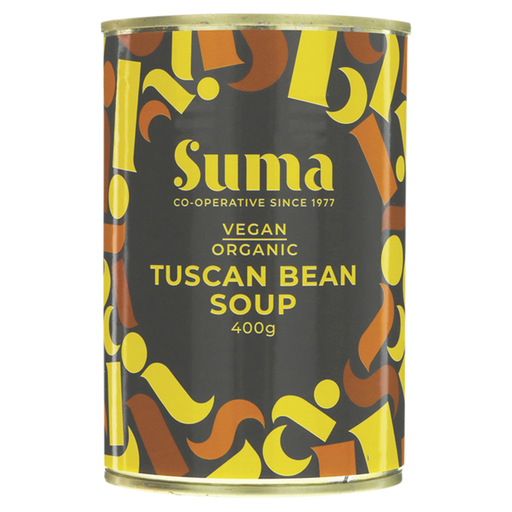 No image available
For a bean-and-vegetable cupboard soup, this 400g option is described as a can. It contains celery, so check the current allergen declaration if that matters to you; also check the pack’s organic certification and serving information.
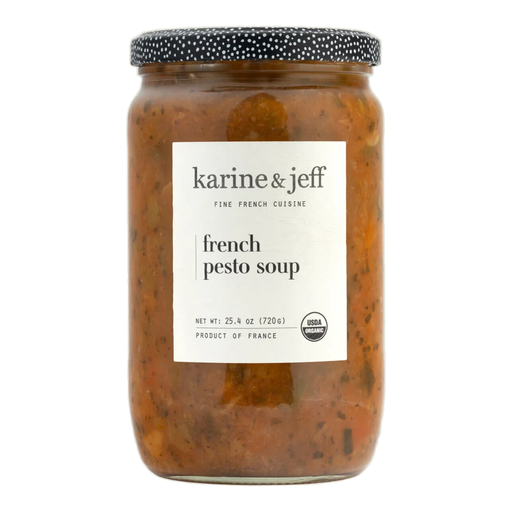 No image available
If you want a bean-and-vegetable soup in a 680g can, check this recipe’s suitability before choosing it. The listing says it may contain wheat, soya and celery; check the current pack for organic certification details and after-opening instructions.
The Department for Environment, Food & Rural Affairs says food labelled organic must meet organic production rules. At least 95% of its agricultural ingredients must be organic, other ingredients and processing aids must be permitted, and the product and suppliers must be certified by an approved organic control body.
No. Check the exact recipe’s ingredients and declarations. Ocado lists Free & Easy Carrot & Coconut Soup as vegan and free from several named allergens, but lists celery in Mr Organic Garden Pea & Vegetable Soup; Suma’s Rustic Vegetable Soup includes pearl barley.
Only if chilled storage works for your plans. Sainsbury’s lists refrigeration instructions and a use-by date for Yeo Valley Organic Tomato, Spinach & Lentil Soup, so check the package and storage statement rather than relying on the word “soup”.
Follow the instructions on the exact pack. Waitrose & Partners lists instructions for Mr Organic Tomato & Lentil Soup to transfer leftovers from the tin to a non-metallic container, refrigerate them and use them within 72 hours; do not assume another recipe has the same period.
Choose soup for the separate meal you have in mind, not because of the occasion. Check its organic label, ingredients, allergens, serving information and storage instructions, then plan pancakes and toppings according to the people you are serving.