Households stocking the cupboard
If you are buying several soups for future meals, distinguish shelf-stable tins from chilled pots. Check each tin’s size and storage instructions before choosing quantities.


For a large family shop, a shelf-stable tin suits cupboard stocking better than a chilled soup pot. Check the pack’s organic labelling before relying on the description, then compare tin size, salt per 100g, allergens and instructions for any leftovers across the flavours your household will use.
If you are buying several soups for future meals, distinguish shelf-stable tins from chilled pots. Check each tin’s size and storage instructions before choosing quantities.
For plant-based meals, check the ingredients of each flavour as well as its protein, fibre and salt figures. The Mr Organic tins listed by Waitrose & Partners are described as suitable for plant-based diets, but their nutrition panels differ.
Different family members may need different products. Compare salt for the amount each person will eat, and read the current pack’s highlighted allergens rather than assuming similar soups have identical ingredients.
Start with the organic claim and storage format, then compare quantities, nutrition and ingredients for the people who will eat the soup.
| Priority | What to check | Your needs |
|---|---|---|
| Organic labelling | Check the claim and certification information on the actual pack, not just the shop’s category. The Department for Environment, Food & Rural Affairs publishes UK guidance on organic food labelling. | I want the soups I stock up on to meet my organic preference, rather than relying on a search-filter description. |
| Format and quantity | Confirm that the product is a shelf-stable tin and check its net weight. A chilled soup pot needs different storage and is not cupboard stock. | Several tins need to fit our planned meals; a chilled pot is for a meal we can store and use sooner. |
| Salt | Compare salt per 100g and calculate the amount in the portion likely to be served. Waitrose & Partners lists 0.58g per 100g for Mr Organic Black Bean Soup and 0.73g for its Tomato & Lentil Soup. | If someone may eat a whole 400g tin, I want to assess that amount rather than the per-100g figure alone. The NHS gives different daily salt maximums for adults and younger children. |
| Ingredients and allergens | Read the current ingredient list and highlighted allergens for each flavour. Waitrose & Partners lists celery and mustard for Mr Organic Black Bean Soup and cautions that recipes can change. | Everyone sharing the shop may not be able to eat the same flavour, so I need to check each pack individually. |
| Leftovers | Check what to do after opening and how long the product can be kept. Waitrose & Partners instructs shoppers to transfer leftovers from its listed Mr Organic tin to a non-metallic container, refrigerate them and use them within 72 hours. | When a tin will not be finished at one meal, I need storage instructions that fit our plans. |
Organic labelling and salt content answer different questions. Waitrose & Partners lists 0.58g salt per 100g for the 400g Mr Organic Black Bean Soup and 0.73g per 100g for its Tomato & Lentil Soup.
Compare the nutrition panels using the amount someone is likely to eat; consult NHS salt guidance for the relevant age group.
A chilled soup needs fridge space and a different meal plan. Sainsbury’s lists the 400g Yeo Valley Organic Tomato, Spinach & Lentil Soup as a chilled product.
Check the format, date and storage directions before buying several units for later use.
Waitrose & Partners lists celery and mustard for Mr Organic Black Bean Soup and warns that recipes and allergen information can change.
Read the ingredient and allergen information on each pack in hand before serving it to household members.
Waitrose & Partners lists Mr Organic Black Bean and Tomato & Lentil soups as 400g organic tins suitable for plant-based diets.
Sainsbury’s lists its 400g Tomato, Spinach & Lentil Soup as an organic chilled pot, not a shelf-stable tin.
These tinned soups are options for cupboard shopping. Check each pack’s organic labelling, allergens and storage directions before buying several.
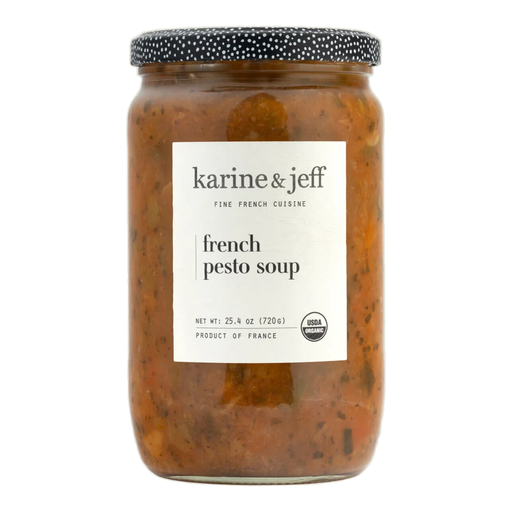 No image available
The 680g can is an option for cupboard planning. Check the pack’s organic certification and instructions for leftovers before stocking up; the product information also flags possible wheat, soy and celery traces.
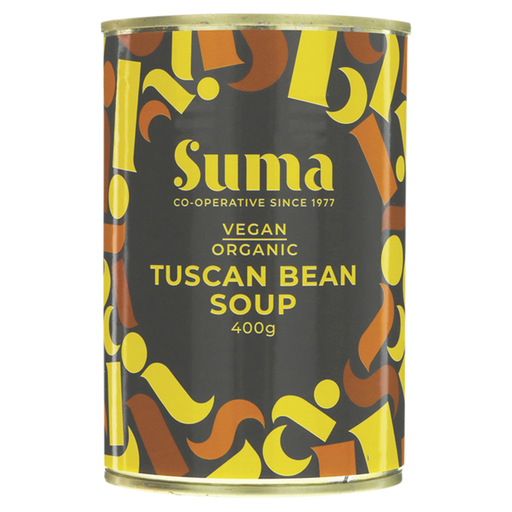 No image available
This 400g can suits a cupboard-shopping plan. Check the pack’s organic certification and celery allergen information; after opening, transfer leftovers to a suitable container, refrigerate them and use them within two days, as directed in the product information.
Check the actual pack’s organic labelling and certification information rather than relying on a shelf category or search filter. The Department for Environment, Food & Rural Affairs publishes guidance on organic food labelling in the UK.
No: check the nutrition panel separately. Waitrose & Partners lists 0.58g salt per 100g for Mr Organic Black Bean Soup and 0.73g per 100g for its Tomato & Lentil Soup; across their 400g tins, those figures are 2.32g and 2.92g respectively.
Follow the directions for the particular soup. Waitrose & Partners advises transferring leftovers from its listed Mr Organic tin to a non-metallic container, refrigerating them and using them within 72 hours; do not assume that timing applies to other products.
Read the current pack’s ingredients and highlighted allergens for every flavour. Waitrose & Partners lists celery and mustard for Mr Organic Black Bean Soup and cautions that recipes and allergen information can change.