New parents planning quick adult meals
A cupboard soup can make a convenient light meal on a busy day. Compare the nutrition label and portion before deciding how it fits with other food you eat.


For a quick adult cupboard meal, check an organic soup’s certification, salt per 100g and likely portion rather than treating “organic” as a shortcut for judging its nutrition. Sainsbury’s lists 0.5g salt per 100g for Yeo Valley Organic Tomato, Spinach & Lentil Soup; Waitrose lists 0.73g per 100g for Mr Organic Tomato & Lentil Soup, which it labels high in protein. Neither adult soup replaces a varied diet or should automatically be treated as food for a baby.
A cupboard soup can make a convenient light meal on a busy day. Compare the nutrition label and portion before deciding how it fits with other food you eat.
Soup containing pulses can be one part of a varied diet, rather than a meal to rely on for every nutritional need. NHS breastfeeding guidance recommends a variety of foods and includes pulses among fibre and protein foods.
Keep adult soup and infant feeding decisions separate. NHS guidance says solid foods are introduced from around six months alongside breast milk or first infant formula, and babies should not eat much salt.
Start with the organic claim, then compare nutrition per 100g and the amount you expect to eat. Check the individual pack for ingredients and directions before making it a regular cupboard choice.
| Priority | What to check | Your needs |
|---|---|---|
| Organic claim | Look for certification information on the current pack. GOV.UK guidance for UK organic food says at least 95% of a labelled food’s agricultural ingredients must be organic, and the product and suppliers must be certified by an approved control body. | If I am choosing soup specifically because it is organic, I want to check the claim on the product I am buying, not assume that every soup in the same range is organic. |
| Salt and portion | Compare salt per 100g, then account for the portion. Sainsbury’s lists 0.5g per 100g for Yeo Valley Tomato, Spinach & Lentil; Waitrose lists 0.73g for Mr Organic Tomato & Lentil. The NHS defines low salt as 0.3g or less per 100g. | When soup becomes a frequent quick meal, I want to know what the amount I actually eat contributes, not just compare the two labels at 100g. |
| Ingredients and nutrition | Read the ingredient and allergen lists alongside fibre and protein information. Sainsbury’s labels the Yeo Valley soup high in fibre and a source of protein; Waitrose labels the Mr Organic soup high in protein. | A soup with pulses appeals when I want a light adult meal, but I still need to consider what else I am eating. NHS breastfeeding guidance recommends a varied diet. |
| Baby suitability | Check who the food is intended for, rather than judging by its organic or vegetable ingredients. NHS infant-feeding guidance says babies should not eat much salt and that solid foods start from around six months alongside their usual milk feeds. | I need an adult cupboard meal without assuming the same soup is appropriate for my baby. |
| After opening | Read the storage and heating directions for the exact soup. Sainsbury’s lists refrigeration, use within three days and a “don’t reheat” instruction for the Yeo Valley product; Waitrose says to transfer opened Mr Organic soup to a non-metallic container and refrigerate it. | If I will not finish the container at once, I want leftover instructions that I can follow. |
UK organic labelling rules concern how the organic claim is made; they do not establish that a soup is lower in salt or provides everything needed in a meal.
Compare the current nutrition panel and ingredients, then consider how the soup fits with the rest of your food.
An organic label or vegetable ingredients do not establish infant suitability. The NHS says babies should not eat much salt and advises introducing solids from around six months alongside milk feeds.
Use age-appropriate infant-feeding guidance rather than assuming an adult soup can be shared with a baby; ask a health visitor about individual feeding concerns.
A per-100g figure may differ from the amount in your portion. Fibre or protein wording does not replace a check of salt and ingredients.
Compare soups on the same per-100g basis, then use the container size and your intended portion to interpret the label.
Storage and reheating directions differ between products. The Sainsbury’s listing for Yeo Valley, for example, says to refrigerate after opening, eat within three days and not reheat.
Follow the directions on the current pack for the soup you buy, particularly if you plan to save some for later.
Sainsbury’s lists Yeo Valley Organic Tomato, Spinach & Lentil Soup 400g with Soil Association Organic certification information.
Waitrose lists Mr Organic Tomato & Lentil Soup 400g as an organic, plant-based soup.
Tesco’s plant-based tinned-soup listing includes organic marketplace products alongside Tesco Plant Chef soups.
Sainsbury’s provides the product listing for Yeo Valley Organic Tomato, Spinach & Lentil Soup within its wider canned-soup range.
These named soup options address the quick adult cupboard-meal scenario. If an organic claim is central to your choice, check the certification information on the current pack; use its nutrition, allergen and storage labels to decide whether the particular soup fits your needs.
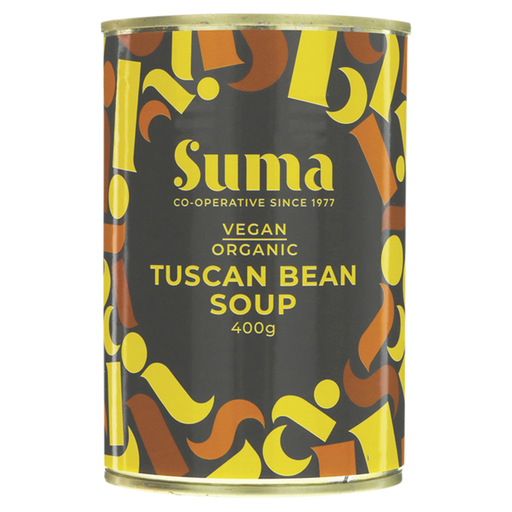 No image available
A 400g bean soup to consider for a quick adult meal. Compare the pack’s salt and other nutrition figures per 100g, and check its organic certification, allergens and directions for leftovers.
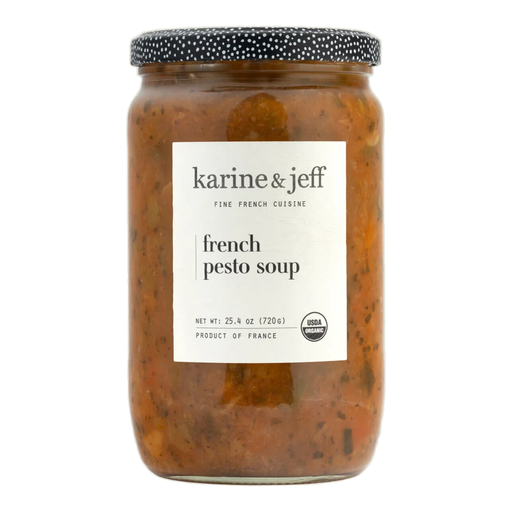 No image available
The 680g size is worth considering if you plan more than one adult portion. Check the current pack for organic certification, ingredients and allergens, and how to store any soup left after opening.
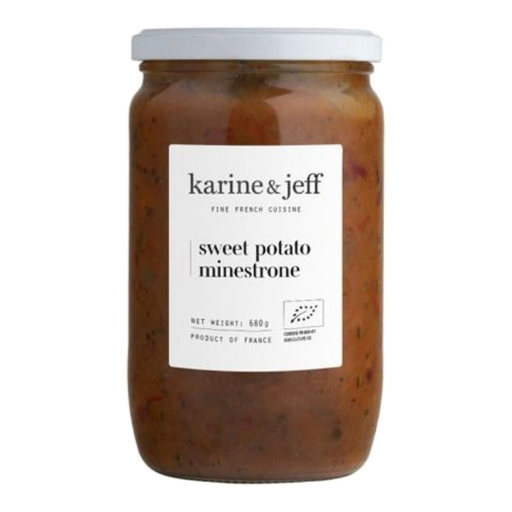 No image available
This 680g sweet potato minestrone is another adult soup option. Check the current organic certification information, ingredient and allergen labels, nutrition per 100g and instructions for opened soup.
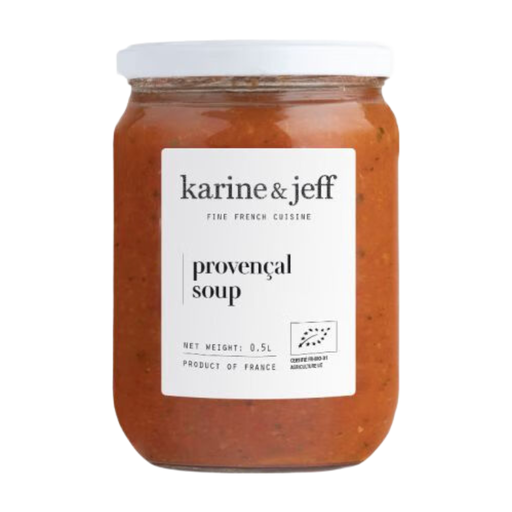 No image available
A 500ml soup option for an adult meal. Its volume is not a nutrition figure: check the pack’s serving and per-100g information, as well as organic certification, allergens and leftover directions.
GOV.UK guidance for UK organic food says a product labelled organic must meet organic production rules: at least 95% of its agricultural ingredients must be organic, and the product and suppliers must be certified by an approved control body. Check the certification information on the current pack of the soup you are considering.
An adult soup can be a convenient part of meals, but it should not replace dietary variety. NHS breastfeeding guidance says a special diet is not needed and recommends a variety of foods, including sources of fibre and protein; check the soup’s ingredients and consider what else is in the meal.
Do not assume an adult soup is suitable for a baby because it is organic. NHS guidance says babies should not eat much salt and that solid foods are introduced from around six months alongside breast milk or first infant formula. Follow age-appropriate weaning guidance and ask a health visitor about individual feeding concerns.
Compare salt per 100g first, then consider how much soup you will eat. The NHS defines low salt as 0.3g or less per 100g and high salt as more than 1.5g per 100g; its adult guidance is no more than 6g salt a day in total.
Follow the instructions for the individual product. Sainsbury’s listing for Yeo Valley Tomato, Spinach & Lentil Soup says to refrigerate it after opening, eat it within three days and not reheat it. Waitrose’s Mr Organic Tomato & Lentil listing says to transfer opened soup to a non-metallic container and refrigerate it.