Hosts preparing lunch at short notice
A cupboard-stored tin can be heated close to serving time. Check the organic claim, recipe and pack instructions when choosing one for the Easter menu.


For an easy Easter Sunday lunch, choose an organic tinned soup by checking the claim on the current pack, then picking a recipe that suits the guests and the rest of the meal. Tomato and lentil offers a plant-based starter option; a black-bean recipe suits those who prefer beans. Check allergens, salt, storage instructions and delivery arrangements for the particular tin before relying on it for lunch.
A cupboard-stored tin can be heated close to serving time. Check the organic claim, recipe and pack instructions when choosing one for the Easter menu.
Choose a named plant-based recipe rather than assuming every organic soup is vegan. Lentil and bean soups offer different flavours and textures; check each tin’s current ingredients.
Compare the exact allergen declaration and salt per 100g for each recipe. An organic claim does not answer either question.
Start with the claim on the tin and your guests’ dietary requirements, then compare recipes and practical arrangements for serving lunch.
| Priority | What to check | Your needs |
|---|---|---|
| Organic claim | Look for the product-specific organic claim and certification information on the current pack. UK organic labelling rules, described by the Department for Environment, Food & Rural Affairs, require the product and suppliers to meet certification requirements. | I’m shopping specifically for organic soup, so a familiar brand name or plant-based description alone will not settle the choice. |
| Guest suitability | Read the named recipe’s ingredients and allergen declaration. Check vegan or free-from wording for that product, not the brand’s range. | If guests have different dietary requirements, I need a tin whose current label I can check before serving. |
| Recipe and portion | Compare lentil, bean and vegetable ingredients against the role of the soup in the meal. Check the tin size and decide how much you will serve each guest. | A small starter calls for a different serving plan from a simple soup lunch; the flavour also needs to work with the rest of the menu. |
| Salt and storage | Compare salt per 100g and the amount to be served. Follow the particular tin’s instructions for storage before and after opening. | I want to account for the whole meal and know how to store any soup left after lunch. |
| Delivery | Check who sells and sends the tin, its delivery timing and whether it travels with a grocery order or separately. | For a meal on a set day, I need to know when every part of the order is due to arrive. |
A vegetable or plant-based recipe does not by itself establish an organic claim. UK organic labelling is governed by rules set out by the Department for Environment, Food & Rural Affairs.
Check the claim and certification information for the particular product on its current pack.
Organic status does not make a recipe suitable for every guest. Waitrose’s ingredient information for Mr Organic Black Bean Soup, for example, identifies mustard.
Read the current physical label before serving; for an allergy-specific question, consult the manufacturer’s current information.
Salt varies by recipe and portion, so the organic claim cannot replace the nutrition declaration.
Compare the labelled salt per 100g and consider how much soup each person will have alongside the rest of the lunch.
Tesco Groceries Marketplace states that its RIFCo soup listing is sold and sent by a third-party seller; Marketplace products are delivered separately by post or courier.
Check the seller, delivery timing and applicable order terms before planning to serve it on Easter Sunday.
A separate delivery means keeping track of another arrival before the meal.
Mr Organic lists several canned soup recipes, including Tomato & Lentil and Black Bean. Compare the individual tins rather than applying one recipe’s ingredients to the range.
Its Organic Lentil & Red Pepper Soup offers a specific alternative for shoppers who want a lentil-and-pepper recipe.
Its Organic Mexican Bean Soup is a bean-based option for a lunch menu that calls for that style of recipe.
This bean soup is an option to consider if a 400g tin suits your Easter lunch plan; check the current pack against your organic and ingredient requirements.
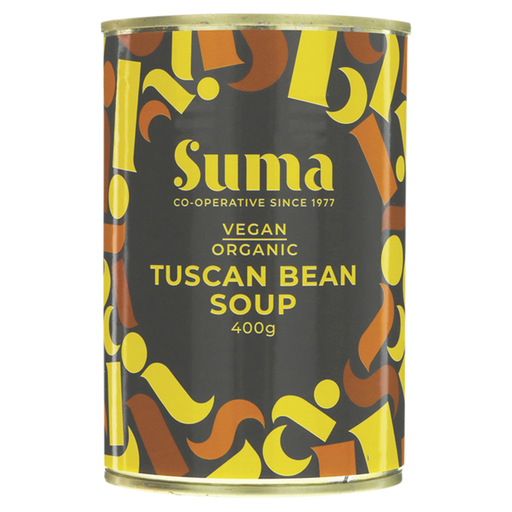 No image available
For a bean-based Easter lunch soup, the named 400g tin is worth comparing with the portions you plan to serve. Check the current pack for organic certification information, allergens including celery, salt per 100g and instructions for any soup left after opening.
Check the organic claim and certification information for the particular product. The Department for Environment, Food & Rural Affairs says UK organic labelling requires applicable production rules to be met and the product and suppliers to be certified by an approved organic control body; a vegan or plant-based description is not the same claim.
No. Organic describes how the product is produced, not whether its recipe meets a guest’s dietary requirements. Check each tin’s current ingredient and allergen information; Waitrose’s Mr Organic Black Bean Soup information, for example, identifies mustard.
Follow that product’s storage instructions. The Waitrose information for Mr Organic Tomato & Lentil and Black Bean soups says to transfer the contents to a non-metallic container, refrigerate and use within 72 hours.
A best-before date concerns quality, whereas a use-by date concerns safety, according to GOV.UK’s food-labelling guidance. Follow the tin’s storage instructions and assess food carefully after its best-before date.
Do not assume it will. Tesco Groceries Marketplace says Marketplace products, including its RIFCo soup listing, are sent directly by the seller by post or courier rather than collected from a store. Check the delivery details for the item before depending on it for Easter lunch.