Shoppers prioritising organic certification
If organic sourcing is central to your Valentine's Day meal, check the claim on the individual soup rather than assuming that an organic ingredient makes the whole product organic.


For a Valentine's Day starter where certified-organic sourcing matters, choose a ready-to-heat soup with an organic claim and check its control-body information on the current pack. UK guidance from the Department for Environment, Food & Rural Affairs says food labelled organic must meet organic production rules, have at least 95% organic agricultural ingredients and be certified by an approved control body. If the soup is going into a cooked dish instead, a condensed product may fit that role; either way, check the exact ingredients, allergens, servings and preparation directions for your meal.
If organic sourcing is central to your Valentine's Day meal, check the claim on the individual soup rather than assuming that an organic ingredient makes the whole product organic.
A soup served as a starter calls for different preparation and portion planning from a condensed soup used in a recipe. Check the pack's serving information before relying on one container for the meal.
Organic certification does not establish whether a recipe is vegan, vegetarian or free from a particular allergen. Read the current ingredients and allergy advice for the exact product you plan to serve.
Decide how the soup will be served, then check its organic claim, guest suitability and pack information. A ready-to-heat soup and a condensed cooking ingredient do not fill the same role.
Choose when: You want an organic-labelled starter with direct heating instructions. Sainsbury's lists Yeo Valley Organic Tomato, Spinach & Lentil Soup with Soil Association code GB-ORG-05.
Bear in mind: Certification does not settle allergen or dietary suitability, and pack size still matters when serving two.
Choose when: The soup will form part of a dish with other ingredients; Campbell's UK publishes recipes using its condensed soups this way.
Bear in mind: Campbell's Cream of Chicken and Cream of Mushroom pages do not claim those products are organic, and both list wheat and milk.
Choose when: A soup you can heat and serve matters more to this meal than an organic claim.
Bear in mind: A vegetable recipe, retailer range or dietary label does not establish organic certification for an individual product.
| Priority | What to check | Your needs |
|---|---|---|
| Organic status | Check the product-level organic claim and control-body information on the current pack. For products produced and packed in Great Britain, the Department for Environment, Food & Rural Affairs identifies GB-ORG-05 as Soil Association Certification Ltd's code. | I want the soup itself to carry a checkable organic claim, not merely to contain an organic ingredient. |
| Guest suitability | Read the exact ingredients, allergy advice and any vegetarian or vegan declaration. Campbell's UK lists wheat and milk in its Cream of Chicken and Cream of Mushroom soups; the chicken recipe also contains chicken. | Before serving guests, I need to know whether the particular recipe fits their dietary requirements and allergens. |
| Meal role | Check whether the directions are for heating and serving or for preparing a condensed soup. Look at pack size and stated servings when planning a shared starter or a dish with other ingredients. | A starter I can heat directly suits one plan; a soup used in a cooked dish means planning the rest of the recipe too. |
| Nutrition basis | Compare nutrition per 100 g or on another matching basis, and check whether figures describe the soup as sold or after preparation. Read the stated serving size alongside the pack size. | If I am comparing salt figures, I want the same measurement basis for both recipes rather than assuming an organic claim predicts the result. |
A vegetable recipe or a retailer's organic range does not establish the status of an individual soup. UK organic-labelling requirements apply to the product's own claim.
Check the exact product name, organic wording and control-body information on its current pack or listing before choosing it for an organic-focused meal.
Organic certification does not rule out animal ingredients or allergens. Campbell's UK lists wheat and milk in its Cream of Chicken and Cream of Mushroom soups, and chicken in the former.
Read the current ingredients and allergy advice for every product, and confirm a guest's requirements with them rather than relying on the soup's name.
Campbell's recipes use condensed soup with other ingredients. Its Cream of Chicken and Cream of Mushroom product pages do not make an organic claim.
If you want a simple organic starter, check for an organic claim and direct heating instructions. If you are cooking a dish, plan the other ingredients as part of that choice.
A recipe built around condensed soup can require additional ingredients and preparation.
A value per 100 g is not directly comparable with a value per prepared portion. Condensed soup directions can also change what the finished serving contains.
Check the units, preparation basis, pack size and stated servings before comparing salt or other nutrition values.
These examples show why organic status and dietary suitability need checking at product level; a retailer's wider range does not establish the details of every soup it lists.
Sainsbury's lists Yeo Valley Organic Tomato, Spinach & Lentil Soup as a 400 g product with ingredients, nutrition and heating directions.
Campbell's UK publishes recipes that use its condensed soups as cooking ingredients.
Tesco Groceries lists Heinz Cream of Tomato and Big Soup products in its UK tinned-and-packet-soup category.
Tesco Groceries lists own-label and branded products together in its tinned-and-packet-soup category.
Sainsbury's lists multiple canned-soup brands and provides a product page for Yeo Valley Organic Tomato, Spinach & Lentil Soup.
M&S lists vegetable and meat recipes in its tinned-soup category and maintains a separate organic food range.
These Joybuy options include organic-labelled soups for a starter or simple meal, plus a Heinz soup for shoppers prioritising a ready-to-heat option over an organic claim. Check the current pack for certification, allergens and preparation details that matter to your meal.
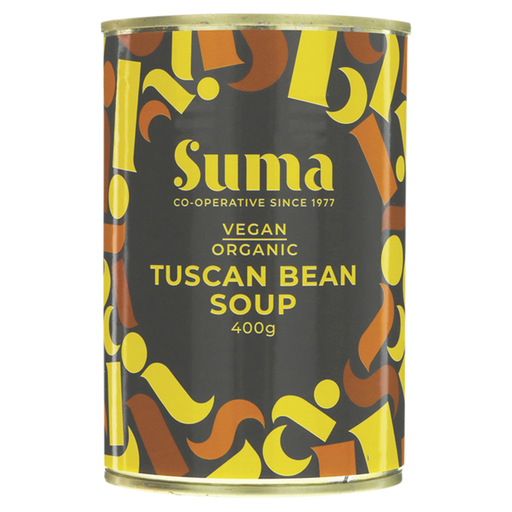 No image available
An organic-labelled bean soup to consider for a low-preparation meal. Check the current pack's control-body information if certified-organic sourcing is essential, and check its celery allergy advice before serving guests.
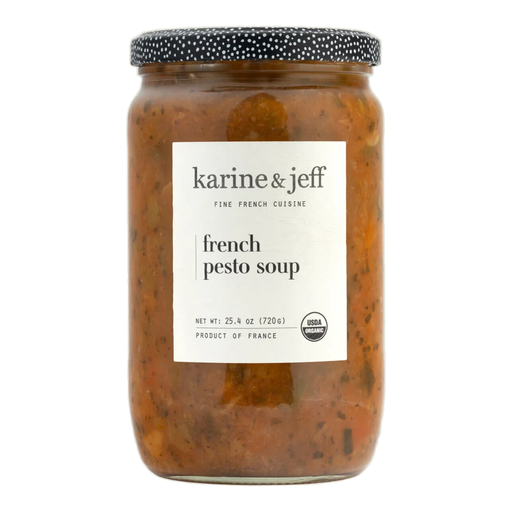 No image available
An organic-labelled soup to consider when planning a vegetable-based course. Check the current pack for its control-body information and for warnings about possible wheat, soya and celery traces.
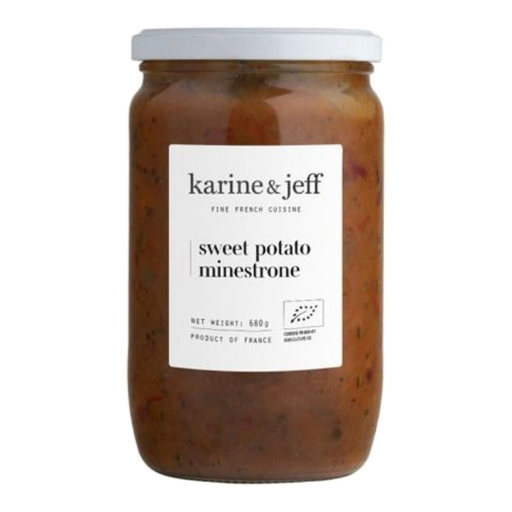 No image available
An organic-labelled minestrone option for the meal. Check its current organic-control-body details and label before buying: milk and mustard matter for guest suitability, and the lid must not be microwaved.
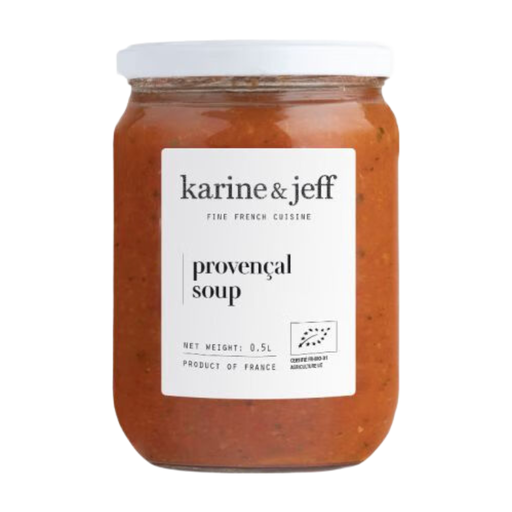 No image available
An organic-labelled vegetable soup option. If you specifically need a tin you can heat and serve, confirm the container and preparation directions before buying; also check the current pack's certification and possible allergen-trace advice.
 No image available
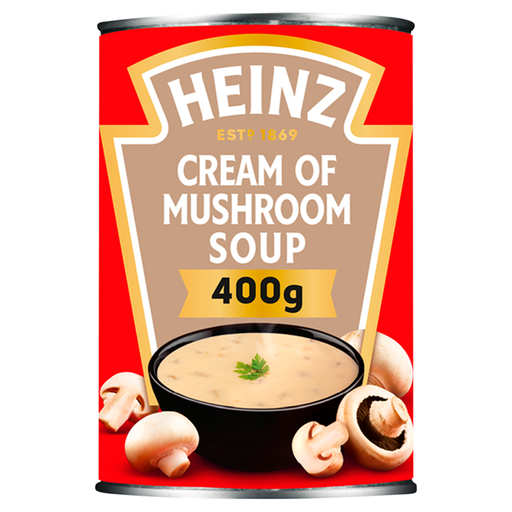
A ready-to-heat option when an organic claim is not a requirement. Check the current heating and serving directions for your meal, and read the label for milk and wheat if either matters to a guest.
According to the Department for Environment, Food & Rural Affairs' UK organic food labelling guidance, it must meet organic production rules, at least 95% of its agricultural ingredients must be organic, and the product and suppliers must be certified by an approved organic control body. Check the claim on the exact soup rather than assuming it applies to a retailer's whole range.
Look for the organic claim and control-body details on the current pack or product page. Sainsbury's identifies Soil Association Organic code GB-ORG-05 on its Yeo Valley Organic Tomato, Spinach & Lentil Soup listing; the Department for Environment, Food & Rural Affairs identifies that code with Soil Association Certification Ltd for products produced and packed in Great Britain.
No. Organic certification does not establish either condition, so read the exact current ingredients and allergy advice. Campbell's UK, for example, lists wheat and milk in its Cream of Chicken and Cream of Mushroom soups; its Cream of Chicken also contains chicken.
Choose a ready-to-heat soup if you intend to serve it directly as a starter, and check its pack size and directions. Choose condensed soup if it will be an ingredient in a cooked dish; Campbell's UK publishes recipes using its condensed soups with other ingredients.
Yes, particularly when cooking for someone with an allergy or dietary restriction. Campbell's UK advises reading the label before consuming because product ingredients can change; check the current pack rather than relying on an earlier purchase.