Students heating lunch between lectures
A tin can work as a cupboard-stable lunch if you have the facilities, a suitable bowl and enough time to follow its heating instructions.


For a lecture lunch, choose an organic tinned soup only if its ingredients, portion and heating instructions suit your needs; an organic claim does not establish vegan or allergen-free suitability. Waitrose & Partners lists 16g protein per 400g tin for Mr Organic Black Bean Soup, while Ocado lists Free & Easy Organic Pea & Mint Soup as free from several specified ingredients but containing 1.50g salt per 200g serving. Check the current pack and whether you can heat and store the soup around your timetable.
A tin can work as a cupboard-stable lunch if you have the facilities, a suitable bowl and enough time to follow its heating instructions.
Check the organic designation separately from vegan, free-from and allergen information. One claim does not establish the others.
Compare the amount you intend to eat with the stated serving size, and read the protein and salt figures for that amount rather than relying on the can size alone.
Start with the product-level organic claim and any dietary exclusions, then compare the portion you will eat with your heating and storage plans.
| Priority | What to check | Your needs |
|---|---|---|
| Organic claim | Look for an organic designation on the individual soup, not just on a retailer category or an ingredient. Defra's UK organic food labelling guidance sets conditions for product-level claims, including certification and at least 95% organic agricultural ingredients. | I want the soup itself to carry an organic claim, rather than assuming every product in a range qualifies. |
| Dietary suitability | Read the current ingredient and allergen statements alongside any vegan or free-from wording. Tesco Groceries lists milk in Heinz Organic Cream of Tomato Soup; Waitrose & Partners lists celery and mustard in Mr Organic Black Bean Soup. | If I need to exclude an ingredient, I need the particular tin to suit that requirement, regardless of its organic status. |
| Lunch portion | Compare salt and protein for the amount you will eat. Ocado lists two 200g servings per 400g can of Free & Easy Organic Pea & Mint Soup, with 1.50g salt per serving; Suma Store lists its Rustic Vegetable Soup as one 400g serving. | When soup is my main lunch, the figures for my portion matter more to me than a per-100g figure viewed on its own. |
| Heating and leftovers | Check the pack's heating method, required container and opened-can storage instructions. Tesco Groceries says to refrigerate unused Heinz Organic Cream of Tomato Soup in a suitable container and eat it within two days. | I need to be able to heat lunch with the facilities between lectures and refrigerate any portion I save. |
Organic soups can differ in their ingredients and allergen statements. For example, the Heinz tomato soup listed by Tesco Groceries contains milk, while Waitrose & Partners lists celery and mustard in Mr Organic Black Bean Soup.
Check the organic designation, then read the current pack for the dietary exclusions and nutrition details that matter to you.
A can may contain more than one stated serving. Ocado lists two 200g servings in the 400g Free & Easy Pea & Mint can, so eating the whole can is different from eating one labelled serving.
Use the serving count and the amount you expect to eat when comparing salt or protein between soups.
A general soup range does not establish the status of each tin within it.
Check the individual product page or physical can for its organic designation and ingredients.
Preparation and opened-can storage directions vary by product. A lunch that needs a suitable bowl or chilled storage may not fit every lecture timetable.
Check the heating directions before buying and follow the particular can's instructions for any leftovers.
Waitrose & Partners lists an organic Black Bean Soup in a 400g tin.
Ocado lists its Organic Pea & Mint Soup as vegan and free from gluten, dairy, wheat, mustard, celery, soya and nuts.
Tesco Groceries lists an organic, vegetarian Cream of Tomato Soup in a 400g tin.
Suma Store lists its Organic Rustic Vegetable Soup as vegan, with one stated 400g serving per can.
M&S lists tinned soups and has a separate organic food range.
These organic bean-and-vegetable soups offer two different can sizes to consider for a lecture lunch. Check each pack for dietary suitability and preparation instructions before deciding.
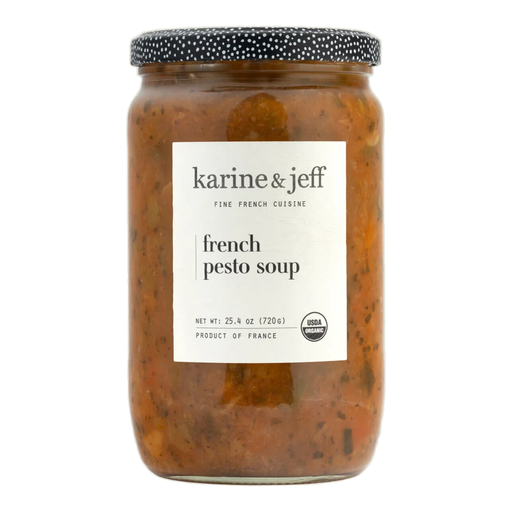 No image available
The 680g can is an option if that size suits your lunch plans. The product information says it may contain wheat, soya and celery; check the current pack if you need to avoid them. Confirm the serving and heating instructions for the facilities you will use.
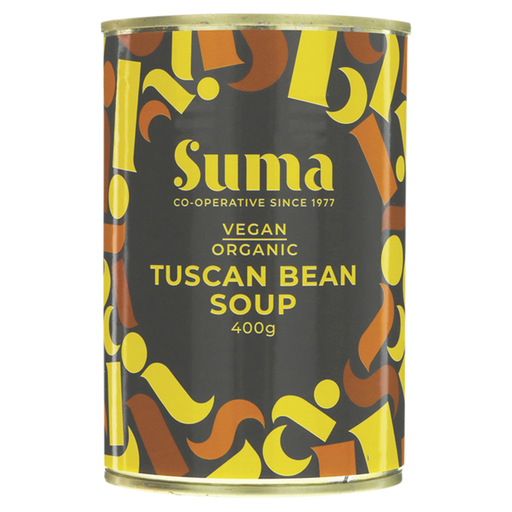 No image available
This 400g bean soup offers a different can size for lunch planning. The product information identifies celery as an allergen; check the current pack if that matters to you. Confirm the serving size and heating directions before taking it to campus.
It is a regulated claim about how the food is produced, not a statement about its allergens or nutrition. Defra's UK organic food labelling guidance, updated in August 2025, says conditions for using “organic” in a food's name include at least 95% organic agricultural ingredients and certification by an approved organic control body. Where the organic agricultural ingredients fall below 95%, the guidance permits “organic” in the ingredients list, not the product name or description.
No. Tesco Groceries lists milk in Heinz Organic Cream of Tomato Soup, and Waitrose & Partners lists celery and mustard in Mr Organic Black Bean Soup. Ocado specifically labels Free & Easy Organic Pea & Mint Soup vegan and free from several named ingredients. Check the current pack for your particular exclusions.
Compare the salt in the amount you expect to eat. Ocado lists 1.50g salt per 200g serving for Free & Easy Organic Pea & Mint Soup and two servings per can, while Waitrose & Partners lists 0.58g per 100g for Mr Organic Black Bean Soup. Check serving sizes before comparing the figures.
You can plan to do so if the facilities allow you to follow the particular soup's heating and opened-can storage directions. Ocado provides hob and microwave instructions for Free & Easy Pea & Mint Soup. For leftovers, Tesco Groceries directs shoppers to transfer unused Heinz Organic Cream of Tomato Soup to a suitable container, refrigerate it and eat it within two days; Waitrose & Partners specifies a non-metallic container, refrigeration and 72 hours for Mr Organic Black Bean Soup.
No. The Food Standards Agency explains that a best-before date concerns quality rather than safety. Check the can's date, condition and storage instructions when buying, and follow its directions after opening.