
24/7 Customer Support

Free returns

Same-day & Next-day Delivery

Quality Guaranteed

Unlock Your Welcome Offers: FREE Delivery | Up to 80% OFF | Free 30-day JoyPlus trial
Download the APP
Navigating the snack aisle for your toddler can feel like a full-time job. Shelves are filled with brightly coloured packages, all promising healthy, organic goodness. Yet, as many UK parents discover, the reality can be quite different. Finding genuinely nutritious and convenient organic toddler snack bars requires looking past the marketing claims.
As a Joybuy Product Recommendation Officer, my role is to help you identify the key details that matter. Before you add another snack to your basket, let's look at two common pitfalls that can lead to disappointing purchases.
To make a confident choice, focus on these core parameters. They provide a much clearer picture of a product's suitability than the front-of-pack advertising.
The organic certification is a great starting point, but the ingredient list tells the full story. Look for snacks where wholegrains like oats are the first ingredient, as this is a good indicator of high fibre toddler snacks. Fibre is important for digestive health and helps provide sustained energy. When it comes to sweetness, check the source. While fruit is a key component, a high proportion of juice concentrates can signal a higher sugar content relative to other nutrients.
For a healthy snack for a 1 year old, texture is non-negotiable. Toddlers need snacks that are soft enough to chew easily and safely. Look for descriptions like "soft", "chewy" or "melts in the mouth." Hard-baked, brittle bars are often better suited for older children with more developed molars. Soft cereal bars for toddlers are specifically designed to be manageable, reducing frustration and making snack time more enjoyable.
Some brands use a no junk promise or similar pledge. This generally means the product is free from artificial colours, flavours and preservatives. It’s a useful shorthand for parents seeking snacks made with simple, recognisable ingredients, ensuring you're giving your child a wholesome treat without unnecessary additives.
Based on these practical criteria, here are a few options that align with the needs of different families.
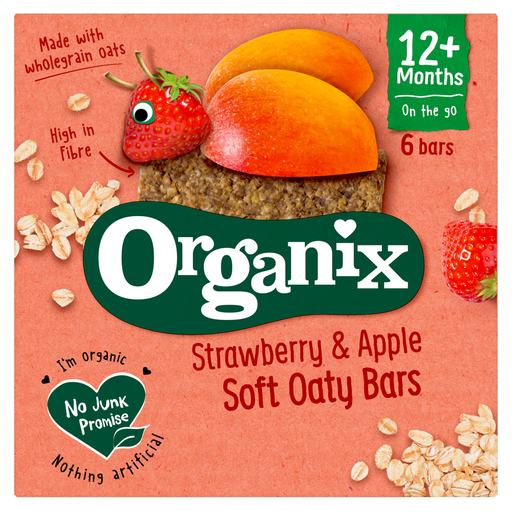
Why This Fits Their Persona: Ideal for parents introducing their toddler to more solid snacks. The soft, chewy texture is manageable for little mouths, building confidence with self-feeding.
These Organix soft oaty bars directly counter the "texture mismatch" pitfall. They are specifically designed to be soft and easy to chew, making them appropriate for the 12+ month age group.
Made with 49.5% wholegrain oats for high fibre content. The multipack of individually wrapped bars is convenient for on-the-go snacking.
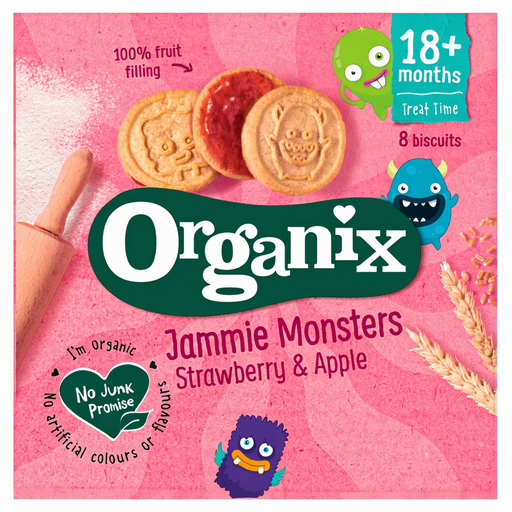
Why This Fits Their Persona: For parents needing reliable, fun and portion-controlled snacks for nursery or playdates. These biscuits offer a change from typical toddler lunchbox bars.
These biscuits use wholegrain wheat and real fruit puree for flavour, adhering to the 'no junk' principle by avoiding artificial colours and flavours often found in similar-looking children's biscuits.
The fun monster shape can appeal to picky eaters. They are organic, vegan-friendly and come in a convenient multipack.
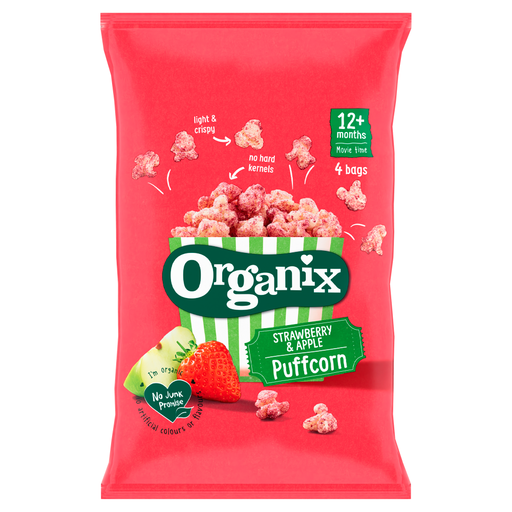
Why This Fits Their Persona: A great choice for parents looking for a gluten-free option or simply wanting to add different textures to their toddler's snack rotation. It's a light, airy alternative to dense bars.
This puffcorn is baked, not fried and contains no hard kernels, making it a safer and lighter alternative to traditional popcorn for toddlers. It avoids the risk of hard, difficult-to-chew pieces.
It is naturally gluten-free and has a very light texture that is easy for toddlers to manage. The individual 10g bags are perfectly portioned for a small snack.
We have compiled a complete, real-time list of products that fully satisfy these strict selection criteria and UK safety regulations.
They can be a healthy part of a balanced diet, especially when used for convenience. The key is to read the nutritional information. Look for bars with wholegrains as a primary ingredient for fibre, and be mindful of the total sugar content, even if it comes from natural sources like strawberry and apple toddler bars. They are best treated as a snack, not a replacement for a meal or whole fruits and vegetables.
Most soft snack bars are suitable from 12 months onwards, but always check the packaging for the manufacturer's age recommendation. More importantly, assess the texture yourself. A suitable bar for a one-year-old should be soft enough to be squashed easily between your fingers. Always supervise your child while they are eating.
Most individually wrapped bars should be stored in a cool, dry place like a cupboard. Once an individual bar is opened, it's best to consume it promptly to maintain its freshness and intended texture. Storing them in the fridge is generally not recommended as it can make them hard.