For an Italian-night dish, tuna packed in organic olive oil can meet a priority for that ingredient, but the wording alone does not establish that the tuna itself is organic; check the exact claim on the pack. Choose fillets or steaks in olive oil when the pieces will be visible in pasta or antipasti, or chunks when the tuna will be mixed into a sauce, and assess sourcing claims separately.
Who is this choice for?
Shoppers checking the organic claim
If organic status is your priority, read exactly what the wording describes. The Department for Environment, Food & Rural Affairs says products marketed as organic must meet organic production rules; an ingredient described as organic olive oil does not, by itself, establish an organic claim for the tuna.
Hosts serving the tuna visibly
For pasta finished with pieces of tuna, crostini or antipasti, compare fillets, loins and steaks with chunks before choosing. Check whether the packing oil suits the dish, particularly if the product is already flavoured.
Shoppers balancing sourcing and a familiar format
If the tuna will be mixed into a sauce or salad, chunks may be the format you want. Check the exact product for an MSC label or a stated catch method if sourcing matters to you; neither follows automatically from an olive-oil description.
What matters when choosing?
For an Italian-night meal with an organic priority, decide what the organic wording must cover, then match the tuna format and packing oil to the dish. Treat sourcing as a separate pack-level check.
| Concern |
What to check |
Who this matters to |
| Scope of the organic claim |
Read the organic wording, ingredient list and certification information. Check whether the claim identifies the olive oil or makes a broader claim about the product. |
I want the organic claim to cover what I actually intend to buy, not just an ingredient I overlooked. About 37% of consumers might put that accurately scoped claim first. |
| Format and olive oil |
Compare fillets, loins or steaks with chunks, and check whether the olive oil is plain or flavoured. |
When tuna will sit visibly on crostini or finish a pasta dish, I want pieces and oil that suit that serving style. For about 36% of consumers, this could be the primary need. |
| Sourcing and practical format |
Look for an MSC label or stated catch method on the exact pack; compare the format and drained weight of products you are considering. |
If I am stirring tuna into a sauce, I may favour an easy-to-use format while still checking its sourcing claim. That combination might come first for about 27% of consumers. |
Buying pitfalls
-
Reading “organic olive oil” as a claim about the tuna
The ingredient wording identifies the oil; it does not establish that the tuna has the same organic status.
Read the exact pack claim and certification information. If you require a broader organic claim, confirm that it is made for the product you are buying.
-
Choosing chunks for a dish built around visible pieces
Chunks intended for mixing may not give crostini, antipasti or finished pasta the presentation you want from fillets, loins or steaks.
Choose the format to match how you will serve the tuna, then check whether plain or flavoured olive oil fits the recipe.
-
Letting the packing oil stand in for a sourcing claim
Olive oil, organic-ingredient wording, catch method and MSC certification describe different attributes.
Check each sourcing claim you care about on the exact tin or jar rather than inferring it from the oil or the brand name.
-
Missing the fish allergen on a shared menu
Tuna is fish, which matters when planning a meal for someone with a fish allergy.
Check the product's allergen declaration before serving it.
Brands to consider
These brands illustrate different product formats and claims to check; a brand name alone does not establish the attributes of every product in its range.
Fish4Ever
A specialist option when tuna steaks or fillets packed in organic olive oil fit the meal and the ingredient claim matters.
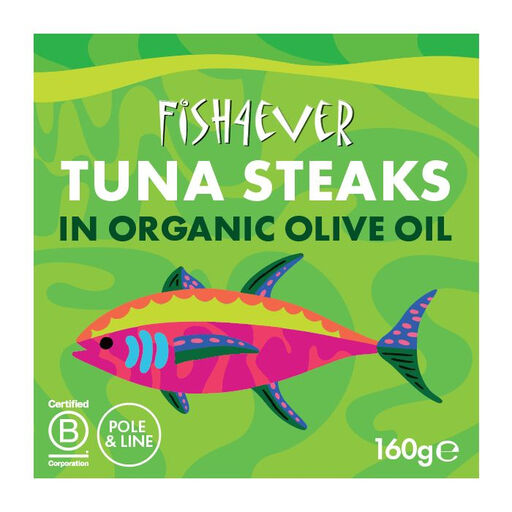
- Fish4Ever describes its skipjack steaks as packed in organic first-cold-pressed olive oil and states that they are pole-and-line fished.
- Check the current pack to establish precisely what its organic wording and any sourcing claim cover.
Serrats
Bonito del norte loins to consider when intact pieces will be visible in pasta, on toast or as antipasti.
- Artisan Olive Oil Company lists a Serrats product with bonito del norte tuna, organic extra-virgin olive oil and salt.
- The retailer's ingredient description identifies the oil as organic; check the current pack for the precise claim and any certification you require.
Rio Mare
An olive-oil tuna option when the packing medium and Italian-style recipe fit matter more than an established organic claim.
- Tesco Groceries lists a Rio Mare product containing tuna, olive oil and salt.
- Do not infer organic status from that olive-oil ingredient list; check the particular product if organic certification is essential.
Princes
A range to check when a familiar tuna format or a ready-flavoured olive-oil product suits the recipe.
- Princes lists an Ocean Select yellowfin tuna steak product containing olive oil and natural lemon flavouring.
- A lemon-flavoured product gives less control over seasoning than plain olive oil; check claims on the specific pack rather than extending them across the range.
Sainsbury's
An own-label route for shoppers considering tuna chunks in olive oil for a mixed dish.
- Sainsbury's lists tuna chunks in olive oil. In May 2023, J Sainsbury plc said its own-label canned tuna was MSC certified and pole-and-line caught.
- That company statement is dated; check the current pack for the sourcing claims you want, as well as any organic wording.
Joybuy tuna options
For an Italian-night dish, these choices cover tuna steaks in organic olive oil and tuna fillets in olive oil. Check the organic wording on the product you select: the oil's status and a broader product claim are different questions.
 No image available
Fish4Ever Tuna Steaks in Organic Olive Oil 160g
Consider the steak format when you want pieces of tuna to remain visible in pasta or on bread. This 160g product is described as packed in organic olive oil; check the current pack if you need an organic claim beyond the oil.
View on Joybuy
 No image available
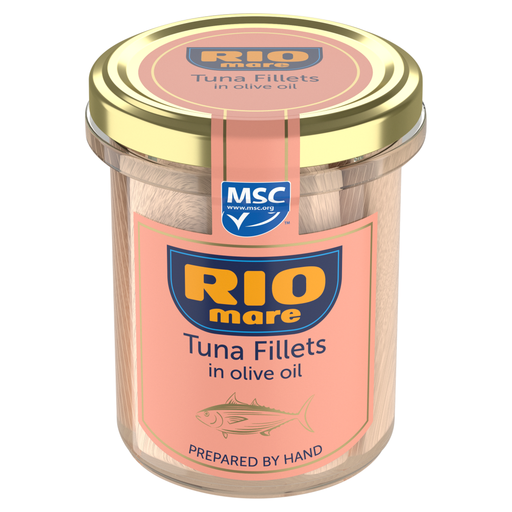
Rio Mare Tuna Fillets in Olive Oil, 180g glass jar
Consider the fillets when you want visible pieces for pasta or a composed dish. The product name specifies olive oil and a 180g glass jar; if organic status is essential, check the jar's current label rather than inferring it from the packing medium.
View on Joybuy
Questions about tinned tuna
Does “tuna in organic olive oil” mean the tuna is organic?
No conclusion about the tuna's organic status follows from that wording alone: it identifies the olive oil. The Department for Environment, Food & Rural Affairs says products marketed as organic must meet organic production rules, so read the exact claim and certification information on the pack if you need a broader organic claim.
Should I buy chunks or fillets for pasta and antipasti?
Choose fillets, loins or steaks if you want the tuna to appear as distinct pieces in the finished dish; consider chunks when you will mix it into a sauce. Check whether the packing oil is plain or flavoured so it suits your planned seasoning.
How do I check a tuna sourcing claim?
Look for the MSC label or a stated catch method on the exact tin or jar you intend to buy. A claim made for one product, or for a brand's range at a particular time, should not be assumed to apply to every current variant.
How should I store tuna after opening it?
Follow the storage and use-after-opening directions on the particular tin or jar. Check those instructions before planning to use one pack across more than one meal.


