What should you check?
Decide whether organic production is a requirement, then compare the format and label details that matter for the lunches you will cook.
| Priority |
What to check |
Your needs |
| Organic production |
Look for the organic claim on the exact product. Under UK rules published by the Department for Environment, Food & Rural Affairs, organic labelling requires certification and at least 95% organic agricultural ingredients. |
Organic production matters to my household, so I want to distinguish a regulated claim from general quality wording. |
| Recipe flexibility |
Read the ingredient list for added flavourings. Check whether the tomatoes are chopped or whole, and whether their stated texture suits the sauce or soup. |
I’m making different lunches from the cupboard and want a plain base I can season for each recipe. |
| Nutrition label |
Compare salt and fibre on the same per-100g basis, then check the stated serving size. Organic labelling describes production, not identical nutrition across tins. |
The label matters for our meal plan, so I want to compare the actual products rather than assume their nutrition panels match. |
| Pack and leftovers |
Check tin size against planned portions and read the exact pack’s instructions after opening. Sainsbury’s and M&S direct users to transfer unused tomatoes to a non-metallic container, refrigerate them and use them within two days. |
If lunch needs only part of a tin, I need a plan for the remainder before opening it. |
Tinned tomato options on Joybuy
These options include chopped tomatoes for sauces and soups, plus whole plum tomatoes for lunches where you can crush or prepare them yourself. If organic production is essential, check the claim on the exact pack before choosing.
 No image available
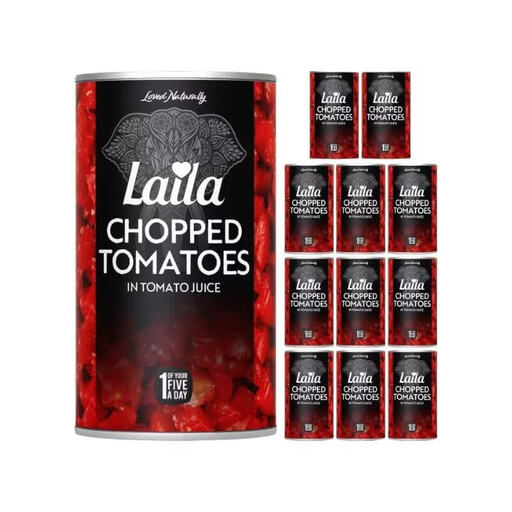
Laila Canned Chopped Tomatoes 12 × 400g
Twelve 400g tins provide chopped tomatoes for a plan involving several sauce or soup lunches. If organic production matters, check the exact pack for an organic claim.
View on Joybuy
 No image available
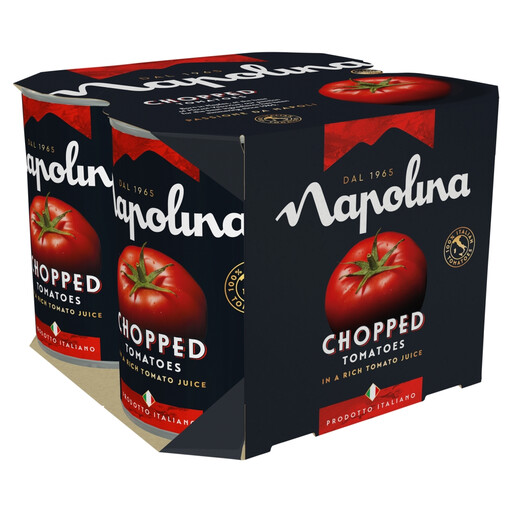
Napolina Chopped Tomatoes 4 × 400g
Four 400g tins of chopped tomatoes suit a plan with several tomato-based lunches. Napolina describes its standard chopped tomatoes as chunky; check the exact pack if texture or organic production is decisive.
View on Joybuy
 No image available
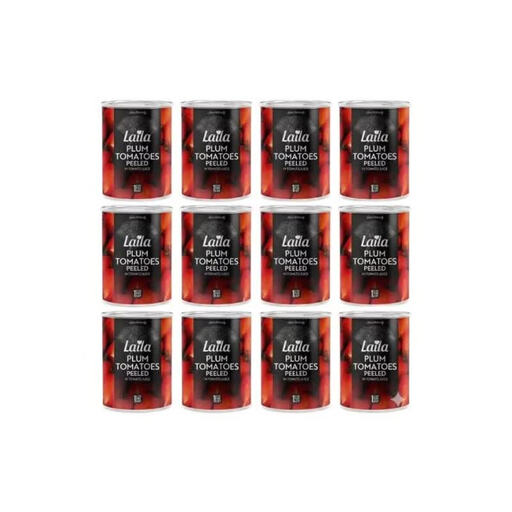
Laila Canned Plum Tomatoes 12 × 400g
This twelve-tin pack contains plum tomatoes rather than chopped tomatoes. Choose that format if preparing whole tomatoes suits your planned sauces or stews, and check the exact pack if you require organic production.
View on Joybuy
 No image available
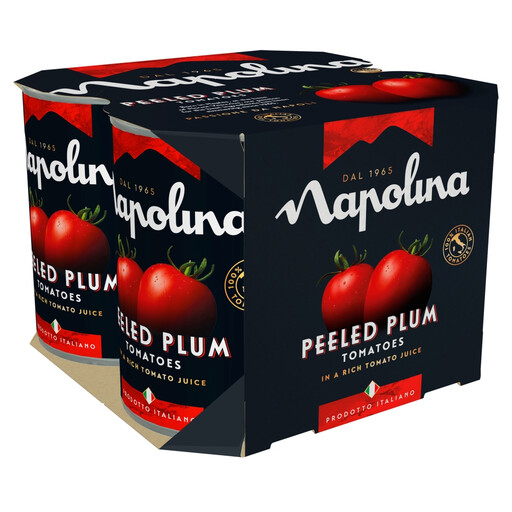
Napolina Peeled Plum Tomatoes 4 × 400g
Four 400g tins offer peeled plum tomatoes for lunches where whole tomatoes suit the recipe. They are not the chopped format; check the particular pack for an organic claim if that is a requirement.
View on Joybuy
 No image available
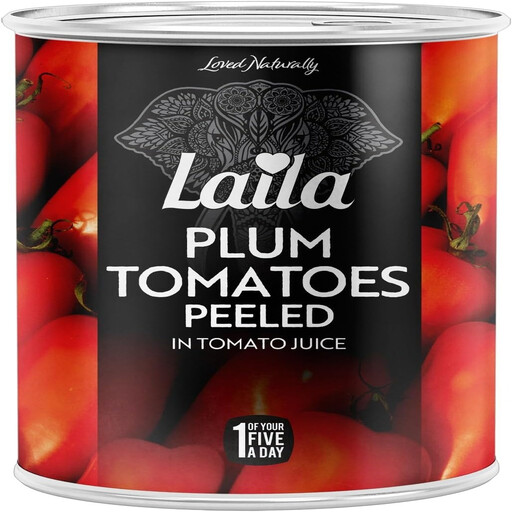
Laila Canned Plum Tomatoes 400g
A single 400g tin may suit a meal plan that calls for one tin rather than a multipack. These are plum tomatoes, not ready-chopped tomatoes; check whether preparing them suits the recipe and whether the exact pack carries an organic claim if needed.
View on Joybuy
Questions about choosing and using tinned tomatoes
What does “organic” mean on a UK tin of tomatoes?
Under rules published by the Department for Environment, Food & Rural Affairs, food labelled organic in the UK must meet organic production and certification requirements, and at least 95% of its agricultural ingredients must be organic. Words such as “natural” are not substitutes for the regulated organic claim.
Are organic tomatoes automatically the right choice for a school-holiday lunch?
No. Choose them if organic production is a household priority, but check the exact tin for ingredients, texture and nutrition. Organic certification does not mean different products have identical salt or fibre values.
Should I buy chopped or whole plum tomatoes?
Choose chopped tomatoes if that is the format your recipe calls for; choose whole plum tomatoes if you are prepared to crush or otherwise prepare them. For a thicker sauce texture, Napolina describes its standard chopped tomatoes as chunky. Check added flavours when you need the same tin to work in different dishes.
How should I store unused tomatoes after opening?
Follow the instructions on the exact tin. The cited Sainsbury’s and M&S organic products say to transfer unused contents to a non-metallic container, refrigerate them and use them within two days; unopened-tin storage guidance does not replace opened-pack directions.
Is the supermarket product page enough to check ingredients?
Check the physical pack before use, especially when an ingredient, allergen or nutrition value matters to your household. Food information can change, so the label on the tin is the relevant check for the product you have.


