Choose pasta labelled organic when its production standard is your priority; choose wholewheat pasta when fibre from the pasta matters more. The two descriptions answer different questions, so look for both on the same pack if you want both. Check the current ingredients, fibre declaration and allergens, then assess any sauce or tinned tomatoes separately.
Who is choosing?
Organic-first lunch planners
You want the pasta itself to carry an organic claim, rather than relying on one ingredient being described as organic. The Department for Environment, Food & Rural Affairs sets out the UK rules for labelling food as organic; the claim does not tell you whether the pasta is wholewheat.
Fibre-focused weekday eaters
You are comparing the pasta’s grain and fibre declaration. The NHS identifies wholewheat pasta as a source of fibre, making an explicit wholewheat description more useful for this decision than an organic claim alone.
Label-conscious dietary shoppers
You need to check the current ingredients and allergen statement for the pasta and its accompaniments. The Food Standards Agency identifies wheat among cereals containing gluten; an organic claim does not remove that consideration.
What matters when buying?
Decide whether organic status, wholewheat fibre or ingredient suitability is your primary requirement, then check the other two against the exact pack. For a pasta lunch, assess sauce and tinned ingredients separately from the pasta.
| Concern |
What to check |
Who this matters to |
| Organic status |
Look for an organic claim for the pasta product and read its ingredients; do not treat an organic ingredient alone as proof that the whole product is labelled organic. |
If the production standard is the reason I am choosing this pasta, I need the claim to apply to the product I buy. About 46% of consumers put organic status first. |
| Wholewheat and fibre |
Look for wholewheat or wholegrain wording, then compare the fibre declaration on packs using the same stated basis. |
For a weekday lunch, I want the pasta component to be wholewheat rather than assuming organic pasta has that grain base. Wholewheat and fibre are the primary concern for about 36% of consumers. |
| Ingredients and allergens |
Read current allergen and ingredient labels on the pasta and any sauce or tinned accompaniment. |
When an ingredient could make lunch unsuitable for me, I need to check every component, not just the pasta’s front label. About 18% of consumers place ingredient and allergen suitability first. |
What is easy to overlook?
-
Assuming organic means wholewheat
Organic and wholewheat describe different attributes. Tesco Organic Spaghetti and Sainsbury’s SO Organic Spaghetti are listed with organic durum-wheat semolina, while NHS guidance points specifically to wholewheat pasta when fibre is the priority.
Look for wholewheat or wholegrain wording and check the fibre declaration. If you require both attributes, confirm both on the same product.
-
Judging lunch by the pasta alone
Sauce, oil, cheese or tinned tomatoes add ingredients of their own. An organic claim on one component does not describe the composition of the finished lunch.
Check the ingredients, portion information and nutrition labels for the accompaniments as well as the pasta, comparing salt, sugars and saturated fat where relevant.
-
Using organic or vegan wording to assess gluten suitability
The listed Tesco and Sainsbury’s organic spaghetti products contain wheat-based semolina. The Food Standards Agency identifies wheat as a cereal containing gluten.
If you need to avoid wheat or gluten, check the current pack’s ingredients and allergen information and choose a product specifically suitable for that requirement.
-
Relying on an older product description
Ingredients and allergen information can change, so a product page is a starting point for choosing a pasta rather than a substitute for its current label.
Read the pack received before preparing it, especially when cooking for someone with a dietary requirement.
Brands and ranges to compare
Tesco
Tesco lists a 500 g Organic Spaghetti made with organic durum-wheat semolina.
- A product to consider when an organic spaghetti claim is the first requirement.
- Do not infer a wholewheat grain base from its organic description; read the current pack for ingredients and fibre.
Sainsbury’s
Sainsbury’s lists SO Organic Spaghetti as dried pasta made with organic durum-wheat semolina.
- Its product description identifies the organic wheat ingredient.
- The listed spaghetti contains wheat and is not described there as wholewheat; check the exact pack if either point affects your choice.
M&S
M&S lists Organic Italian Fusilli alongside separate wholewheat and other pasta options.
- The range lets you compare organic and wholewheat descriptions without treating them as interchangeable.
- The listed Organic Italian Fusilli contains durum-wheat semolina and gluten; check each product’s own label.
Barilla
Barilla’s Whole Wheat Spaghetti is a wholewheat option for comparing the pasta’s grain and fibre declaration.
- Barilla’s UK product page lists whole-wheat semolina and 8 g fibre per 100 g.
- That product description does not establish an organic claim; check the exact product if organic status is essential.
Dolmio
Dolmio is relevant when choosing a prepared sauce to accompany pasta, rather than choosing the dried pasta itself.
- Dolmio describes a No Added Sugar pasta sauce in its range.
- A sauce’s product claim does not establish that it is organic or describe the complete lunch; compare the exact jar’s ingredients and nutrition label.
Pasta and noodle options on Joybuy
These options span macaroni, udon noodles, wholewheat fusilli and gluten-free lasagne. Choose by the type of lunch you are making, then check the exact pack for the organic, fibre and allergen details that matter to you.
 Image unavailable
Cornwall Pasta Co. Macaroni 500g
Consider this macaroni for a pasta lunch. If organic status or fibre is decisive, confirm the product claim, grain ingredients and fibre declaration on the current pack; check its allergen label for dietary requirements.
View on Joybuy
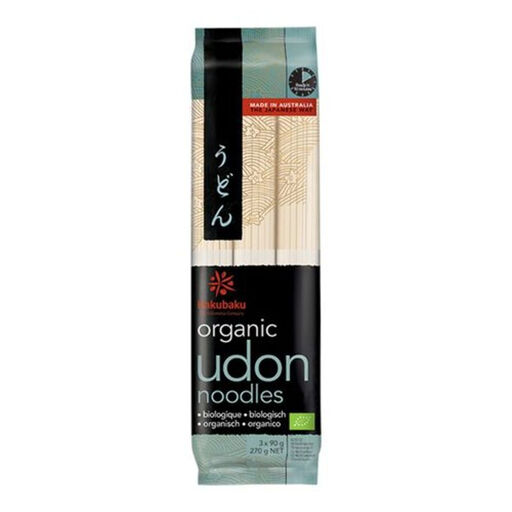 Image unavailable
Hakubaku Udon Noodles 270g
Choose udon when you want a noodle lunch rather than a dried-pasta shape. Check the current ingredients and organic wording if production standards matter, and read the allergen information before serving.
View on Joybuy
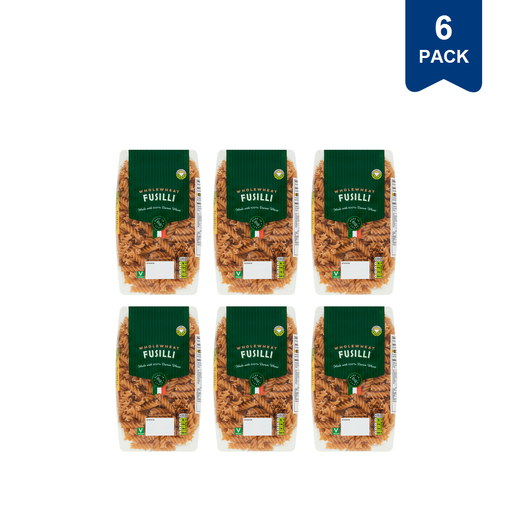 Image unavailable
Morrisons Wholewheat Fusilli 500g (6 Packs)
The six-pack format is an option if you plan to use wholewheat fusilli across several lunches. Compare the current pack’s fibre declaration with other wholewheat products, and confirm an organic claim separately if you require one.
View on Joybuy
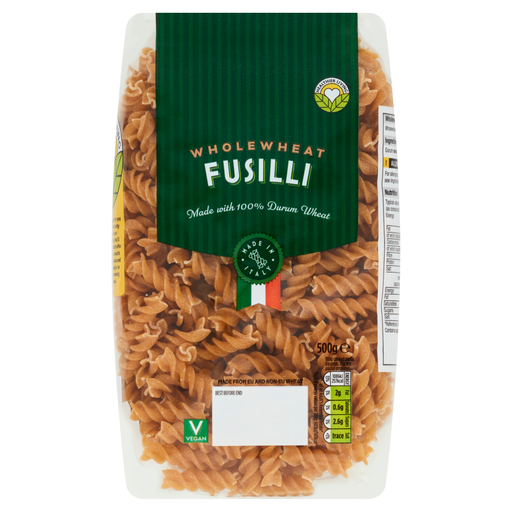 Image unavailable
Morrisons Wholewheat Fusilli 500g
This single 500 g pack is a wholewheat fusilli choice if you do not want the six-pack format. Check its current fibre declaration and wheat allergen information; look for a separate product-level organic claim if that is also a requirement.
View on Joybuy
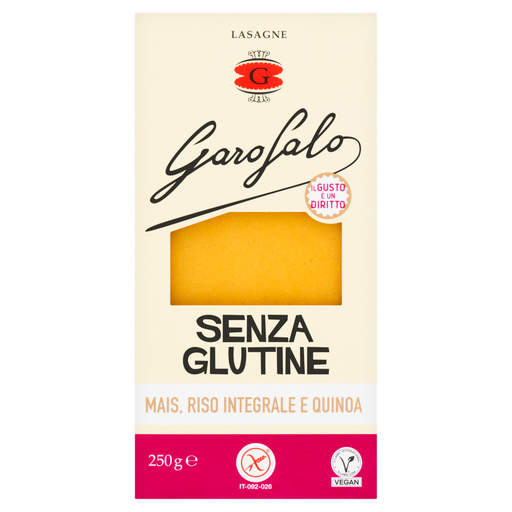 Image unavailable
Garofalo Gluten Free Lasagne 250g
Consider this lasagne format when a gluten-free product is needed for the planned meal. Check the current pack’s ingredients and allergen information against the specific dietary requirement; confirm organic status separately if it matters.
View on Joybuy
Common questions
What does organic mean on a pasta label in the UK?
It is a regulated product claim, not a statement that the pasta is wholewheat. The Department for Environment, Food & Rural Affairs says that a food product labelled organic must meet organic production and certification rules and that at least 95% of its agricultural ingredients must be organic. Check whether the claim describes the pasta product, rather than only an ingredient in its list.
Does organic pasta contain more fibre than other pasta?
An organic claim alone does not establish the pasta’s fibre content. If fibre from the pasta is your priority, look for wholewheat or wholegrain wording and compare the nutrition declarations on the same stated basis. The NHS identifies wholewheat pasta as a source of fibre.
Is ordinary organic pasta suitable when avoiding wheat or gluten?
Do not use the organic claim to decide suitability. The listed Tesco and Sainsbury’s organic spaghetti products contain wheat-based semolina, and the Food Standards Agency identifies wheat among cereals containing gluten. Check the current pack and choose a product specifically suitable for your requirement.
How should I store dried pasta after opening?
Follow the directions on the exact pack. Tesco advises keeping its dried spaghetti in a cool, dry place and using an airtight container after opening; storage instructions can differ between products.


