Hosts serving organic coffee
If the coffee morning is advertised as organic, check the claim for the particular decaf product. A Fairtrade label or a named decaffeination method answers a different question.


Choose decaf with a product-specific organic claim if you intend to serve or describe the coffee as organic; Fairtrade status and water decaffeination do not establish that claim. For brewed coffee, match whole beans or ground coffee to the venue’s equipment and the number of guests. Instant decaf is practical for kettle-only service, but check its own organic credentials before calling it organic.
If the coffee morning is advertised as organic, check the claim for the particular decaf product. A Fairtrade label or a named decaffeination method answers a different question.
A larger pack of beans may suit a gathering where there is time and equipment to grind and brew them. Ground coffee avoids the grinding step but still needs a compatible brewer.
Instant decaf offers a straightforward serving format. Check its organic claim separately, and describe it as decaf rather than promising that it contains no caffeine.
Decide whether organic status is essential, then choose a format the venue can prepare and a pack size appropriate for the gathering.
Choose when: You have a grinder and brewing equipment and want a larger pack for brewed coffee.
Allow for: Whole beans need grinding and brewing time; Tesco describes Suma’s organic Swiss Water decaf beans as a 1kg pack.
Choose when: You have a compatible brewer but do not want to grind beans.
Allow for: Check how many packs you need. Suma lists an organic ground decaf in a 227g pack.
Choose when: Kettle-only preparation matters more than selecting one of the identified organic brewed-coffee products.
Check separately: An instant decaf needs its own product-specific organic claim before you describe it as organic.
| Priority | What to check | Your needs |
|---|---|---|
| Organic claim | Check the current pack or product page for the specific coffee’s organic designation and certification. The Department for Environment, Food & Rural Affairs says businesses marketing or selling organic products in the UK must be certified by an approved UK organic control body. | If I plan to tell guests the decaf is organic, I need that claim to apply to the coffee I serve, not just to another product from the same brand. |
| Brewing equipment | Confirm whether the venue has a grinder and brewer for beans, a compatible brewer for ground coffee, or only a kettle for instant coffee. | I want to be able to prepare the coffee with the equipment available on the day. |
| Pack size | Compare the stated pack sizes with the expected number of guests; check the product’s preparation directions when planning quantities. Tesco lists Suma organic decaf beans in 1kg, while Suma lists its organic ground decaf in 227g. | For a larger gathering, I may prefer fewer packs to handle, provided I can prepare the format I buy. |
| Caffeine description | Use the product’s decaf designation without promising zero caffeine. Nescafé explains that decaffeinated coffee can retain small traces. | I want guests choosing decaf to receive an accurate description of what is being served. |
These terms describe different aspects of a coffee. Neither, on its own, establishes an organic claim for the product you serve.
Check the particular pack’s organic designation and certification before using an organic description on a menu or invitation.
Beans require grinding and suitable brewing equipment before they can be served.
Confirm the venue’s equipment before ordering; choose a compatible ground or instant format if bean preparation is not possible.
Nescafé notes that small traces of caffeine can remain after decaffeination.
Label the coffee as decaf and keep its pack information available for guests who ask about it.
These product and retailer references illustrate formats and claims to check; they are separate from the Joybuy products below.
Suma has identified organic decaf products in both ground and whole-bean formats.
Nescafé Original Decaf is an instant-coffee option for hot-water preparation.
Kenco describes its Decaf as a medium-roast instant blend and lists a refill format.
M&S describes its Gold Decaf as freeze-dried instant coffee made from medium-roasted Arabica beans from Fairtrade farms.
Tesco’s listing describes Suma’s 1kg Swiss Water decaf beans as organic.
Tesco lists Taylors of Harrogate Decaffe coffee beans in a 200g pack.
These decaf options are relevant to straightforward coffee-morning service. Check each product’s preparation directions and current organic credentials before choosing it for an organic menu.
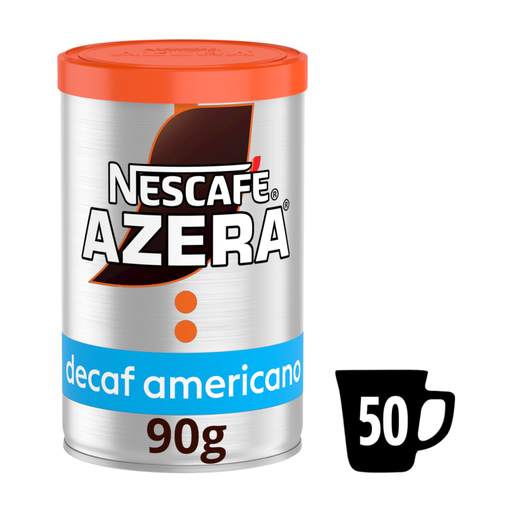 No image available
A 90g decaf option for the coffee morning. Check the pack’s preparation directions and its organic credentials if you intend to serve it as organic.
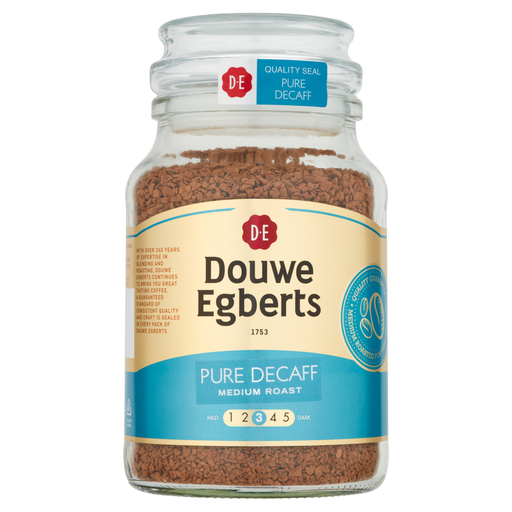 No image available
A 190g instant-decaf option where quick preparation matters. Check the pack directions for your intended serving method and its organic credentials before describing it as organic.
 No image available
A 300g decaf pack to consider when planning coffee for a group. Check its preparation directions and product-specific organic claim before buying for an organic menu.
 No image available
A 190g decaf option for serving alongside regular coffee. Confirm the preparation method and check the current pack for organic credentials if that claim matters to your guests.
Check the organic designation and certification for the particular product on its current pack or product information. The Department for Environment, Food & Rural Affairs says businesses marketing or selling organic products in the UK must be certified by an approved UK organic control body; Fairtrade and decaffeination-method claims are not substitutes.
No. Swiss Water names a decaffeination method, not an organic certification. Tesco describes Suma’s 1kg decaf beans as both organic and Swiss Water processed; check both claims for whichever product you choose.
Not necessarily. Nescafé explains that decaffeinated coffee can retain small traces of caffeine, so tell guests it is decaf rather than guaranteeing that it contains none.
Choose beans if you can grind and brew them, or ground coffee if you have a compatible brewer but no grinder. Instant decaf suits kettle-only preparation; if you intend to describe any of these options as organic, check that claim on the specific product.