Who each format suits
The preparation you want at breakfast is a useful starting point: an infused tea bag and a whisked powder make different kinds of drink.
Everyday tea-bag drinkers
If you want a quick cup beside toast, fruit or pastries, look for a pure green-tea bag with an ingredient list and brewing instructions that suit you. Clipper’s organic pure green tea, for example, lists organically grown green tea and a 1–3 minute infusion.
Green-tea blend drinkers
If you prefer a bagged blend to plain green tea, check which ingredients provide its flavour. Pukka’s Supreme Matcha Green combines organic green teas with matcha; Pukka states that matcha makes up 2% of the blend.
Prepared-matcha drinkers
If you want to whisk matcha or add it to a latte or smoothie, choose a powder rather than assuming a matcha-labelled tea bag will serve the same purpose. Twinings’ organic matcha powder lists 100% matcha and gives measured preparation instructions.
What to check before choosing
Choose the drink format first, then check the exact product’s organic information, ingredients and preparation instructions.
Pure green-tea bags
Choose when: You want an uncomplicated infused cup; Clipper’s organic pure-green-tea product lists green tea as its ingredient.
Bear in mind: Follow the particular pack’s brewing method. Clipper advises cooling boiled water briefly and infusing its tea for 1–3 minutes.
Matcha blends in bags
Choose when: You want a green-tea blend containing matcha without measuring or whisking powder.
Bear in mind: A blend is not pure matcha: Pukka says its Supreme Matcha Green contains 2% matcha.
100% matcha powder
Choose when: You intend to prepare whisked matcha or use the powder in a latte or smoothie.
Bear in mind: Preparation takes more steps than using a bag. Twinings instructs users to measure 1g of its powder, add 70–80°C water and whisk.
| Priority | What to check | Your needs |
|---|
| Organic claim |
Check the organic wording and certification information on the exact pack. UK government guidance says organic-labelled products and their suppliers must meet the applicable production and certification requirements. |
I’m choosing organic, so I want to check the product itself rather than assume every tea from the same brand has that status. |
| Ingredients and format |
Read whether the product contains pure green tea, a tea-bag blend or 100% matcha powder. Pukka states that matcha is 2% of Supreme Matcha Green; Twinings lists its organic matcha powder as 100% matcha. |
For a plain cup, I’d choose a pure-green-tea ingredient list. If I want to whisk matcha, I’d look for powder rather than a matcha-labelled bag. |
| Preparation |
Follow the selected pack’s water and infusion instructions. Clipper specifies a 1–3 minute infusion for its pure green tea; Twinings specifies 70–80°C water and whisking for its matcha powder. |
On a hurried morning, a tea bag fits my routine more readily than measuring and whisking powder. |
| Pack and label |
Check the bag count or powder weight and read the received pack for current ingredients and other label details. Tesco advises that food information can change after a website listing is published. |
I want the format and pack size I intended to order, particularly if I’m comparing bags with a powder rather than like-for-like packs. |
Brand and retailer references
These product-line examples show the formats to look for; a brand reference does not mean every product in its range has the same ingredients or organic status.
Clipper
Clipper’s Organic Fairtrade Pure Green Tea is a reference point for shoppers seeking a bagged tea with a single listed green-tea ingredient.
- Clipper’s product information lists organically grown green tea; an 80-bag format and 1–3 minute infusion guidance are also listed.
- It is a plain green-tea infusion, not a matcha powder or flavoured blend.
Pukka
Pukka’s organic Supreme Matcha Green is a bagged green-tea blend for shoppers who want matcha among its ingredients.
- The product combines organic green teas with matcha.
- Pukka states that matcha accounts for 2% of the blend; it is not 100% matcha powder.
Twinings
Twinings lists an organic 100% matcha powder for a measured, whisked preparation.
- Its 30g organic matcha powder lists 100% matcha and instructions using 70–80°C water.
- Twinings’ separately listed Pure Green Tea bags should not be assumed organic because its matcha powder carries an organic label.
Tesco
Tesco’s green-tea listings provide examples of different bag counts and blends, including the Clipper and Pukka products discussed here.
- Its listings let shoppers distinguish the cited 80-bag Clipper product from the 20-bag Pukka blend.
- Tesco advises reading the product label because food information and formulations can change.
Joybuy product options
These options cover a green-tea bag for an infused breakfast cup and two powdered teas for a prepared drink. The organic wording on each listing is a reason to check the corresponding pack’s certification information, not to assume that the wording alone settles your choice.
 No image available
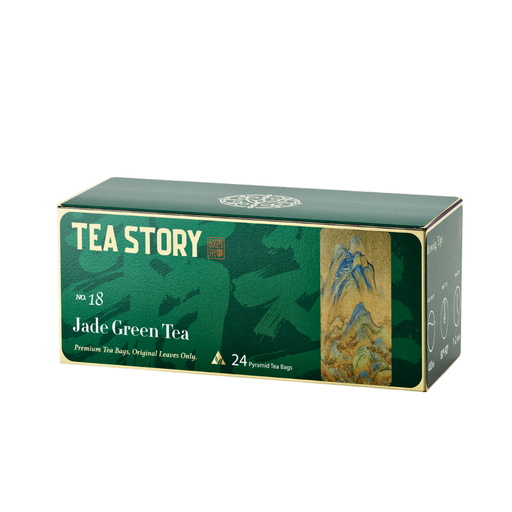
TEA STORY Jade Green Tea ECOCERT Organic Pyramid Bags, Spring First Flush, 24 × 2g
A tea-bag option for an infused cup at breakfast. The listing describes one 2g bag per cup and a 3–5 minute infusion; its title claims ECOCERT Organic. Check the pack’s organic certification information and brewing directions for this exact product.
View on Joybuy
 No image available
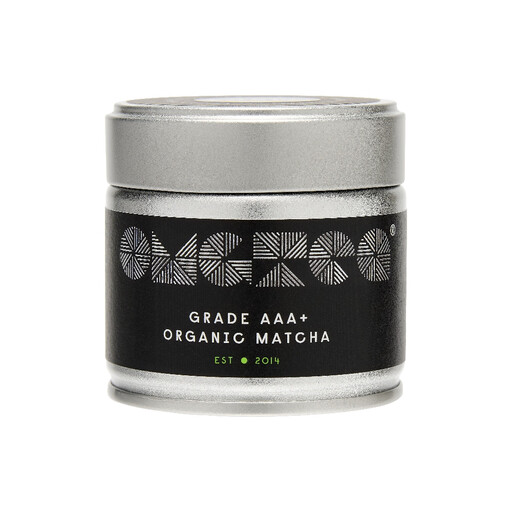
OMGTea Organic Matcha AAA+ 30g
A powder option if you plan to prepare matcha rather than infuse a tea bag. The listing describes 100% organic matcha powder and instructs users to sift 1g, add water at 80°C or below and whisk. Check the pack’s organic certification information and preparation directions.
View on Joybuy
 No image available
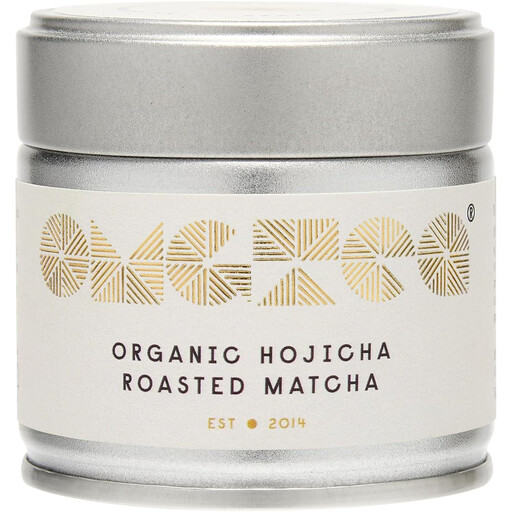
OMGTea Organic Hojicha Roasted Matcha 30g
A roasted powdered-tea option for a prepared drink rather than a standard green-tea-bag infusion. The listing describes whisking it with hot water or frothing it with milk. Check the pack for its organic certification information and serving instructions.
View on Joybuy
Frequently asked questions
How can I check whether a green tea is organic in the UK?
Check the organic wording and certification information on that product’s pack. UK government guidance says organic-labelled food must meet organic-production rules and that the product and its suppliers must be certified by an approved organic control body. Do not infer one tea’s status from another product in the same range.
Should I choose plain green tea or a matcha blend for breakfast?
Choose a plain green-tea bag if you want a simple infused cup: Clipper’s cited organic pure-green-tea product lists organically grown green tea. Choose a blend if you want its different ingredient profile in a bag, while remembering that Pukka states its Supreme Matcha Green contains 2% matcha rather than being pure matcha powder.
When does 100% matcha powder make more sense than tea bags?
Choose powder when you want to whisk matcha or add it to a prepared drink, rather than make a tea-bag infusion. Twinings instructs users to measure 1g of its organic matcha powder, add 70–80°C water and whisk, so allow for those preparation steps at breakfast.
How should I prepare an organic green-tea bag?
Follow the instructions for the bag you choose. Clipper advises boiling fresh water, letting it cool for a minute and infusing its organic pure green tea for 1–3 minutes; another product may give different directions.
Is an online ingredient description enough to make a final choice?
Read the received pack as well. Tesco advises that food products may be reformulated and that shoppers should not rely solely on website information, particularly when exact ingredients or other label details matter to the purchase.


