
24/7 Customer Support

Free returns

Same-day & Next-day Delivery

Quality Guaranteed
Download the APP
Categories
Making conscious choices about personal care products is becoming more common, and menstrual products are no exception. If you're exploring options beyond the conventional, you may be wondering about organic tampons. Concerns about materials, skin sensitivity and environmental impact are valid, and navigating the available choices can feel overwhelming.
This guide is designed to cut through the clutter. As a Joybuy Product Recommendation Officer, my role is to provide clear, objective information to help you find products that align with your needs and values, whether you're looking for tampons for sensitive skin or more eco-friendly tampons.
Before looking at specific products, understanding a few key features can help you make a more informed decision.
The primary appeal of organic tampons is the material. They are typically made from 100% cotton tampons, grown without the use of toxic pesticides or synthetic fertilisers. This is often a key consideration for individuals with sensitive skin. Additionally, many organic brands are chlorine-free. They use a Totally Chlorine Free (TCF) bleaching process, which does not produce dioxin by-products, unlike traditional methods. This focus on pure materials can help minimise potential irritation.
Your choice of applicator can impact both comfort and your environmental footprint.
If sustainability is a priority, look beyond the tampon itself. Many eco-friendly tampons now come with compostable or paper wrappers, reducing plastic waste. The tampons themselves, if made from 100% cotton, are also biodegradable tampons. Remember, 'biodegradable' does not mean 'flushable'—always dispose of tampons and packaging in a sanitary bin.
Here are a few recommendations that cater to different priorities, from organic purity to reliable leak protection.
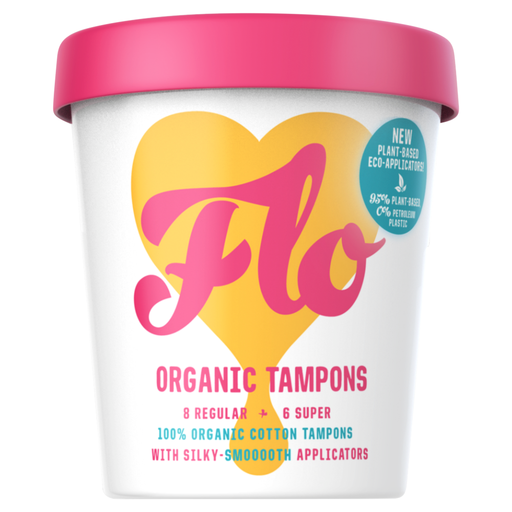
Why It Stands Out: Flo offers a balanced approach for those who want organic materials without sacrificing the convenience of an applicator. It combines a 100% organic cotton core with a thoughtfully designed applicator and wrapper.
Pros:
Who is it for?: The environmentally aware user who values organic ingredients but still prefers the ease and comfort of a plastic applicator.
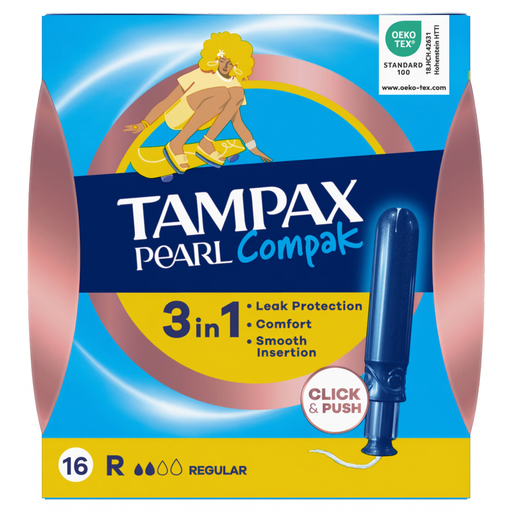
Why It Stands Out: For those whose primary concern is performance and discretion, Tampax Pearl Compak is a long-standing popular choice. While not organic, its design is focused on providing reliable protection and comfort.
Pros:
Who is it for?: Individuals who prioritise dependable leak-proof tampons and a discreet, compact design for an active, on-the-go lifestyle.
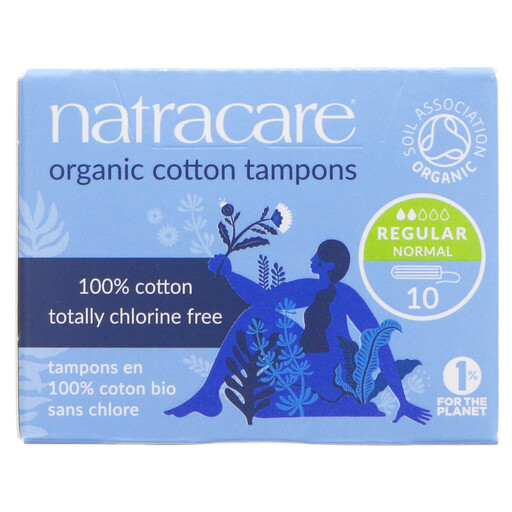
Why It Stands Out: Natracare is a pioneer in natural menstrual products. This non-applicator tampon is for the purist, made from nothing but organic cotton, making it completely plastic-free and biodegradable.
Pros:
Who is it for?: The user who is fully committed to a plastic-free, organic lifestyle and is comfortable using non-applicator tampons.
Everyone's body and flow are unique, and the right product is a personal choice. The recommendations above are a starting point, but there are many other excellent products available that might be a better match for you.
Explore our full range of feminine hygiene protection products to find the perfect fit for your flow and lifestyle.
Are organic tampons better for sensitive skin? Many people with sensitive skin find organic tampons to be a better option. Because they are made from 100% cotton and are free from fragrances, dyes and chlorine bleaching residues, they remove many common potential irritants found in conventional products.
What does 'chlorine-free' mean for tampons? 'Chlorine-free' refers to the bleaching process used to purify the cotton. The most common method for organic tampons is Totally Chlorine Free (TCF), which uses oxygen-based compounds instead of chlorine. This prevents the creation of dioxins, which are chemical by-products that some people prefer to avoid.
Can you flush biodegradable tampons? No. Even though a tampon may be labelled as biodegradable, it should never be flushed down the toilet. Flushing tampons can cause serious blockages in home plumbing and municipal sewer systems. Always wrap used tampons and dispose of them in a sanitary waste bin.