What matters when choosing?
Decide whether tiny details or the whole model must fill the photograph before weighing screen movement and broader camera use.
| Concern | What to check | Who this matters to |
|---|
| Close-up detail |
Check lens compatibility and maximum magnification: Canon specifies up to 1:2 for the RF 35mm F1.8 Macro, while Nikon specifies 1:1 for the Z MC 50mm f/2.8. |
If miniature folds or paper texture need to fill my image, close framing is my priority; around 40% of consumers put that need first. |
| Repeatable tabletop framing |
Check screen movement with your overhead or low-angle support, and plan lighting and support if you need a smaller aperture for depth of field. |
When I photograph an entire layered model, I want to compose comfortably and keep more folds sharp; this is the primary concern for around 30% of consumers. |
| Flexible camera system |
Confirm the included zoom, lens mount and the close-focus lens options you might want later. |
I also want to use the camera for everyday stills or video, without committing to a specialist lens immediately; around 30% of consumers place that flexibility first. |
Joybuy camera options
These interchangeable-lens cameras with supplied zooms are options for starting with whole-model origami photographs and broader camera use. For tight views of folds or texture, check the supplied lens and compatible close-focus options before choosing.
 No image available
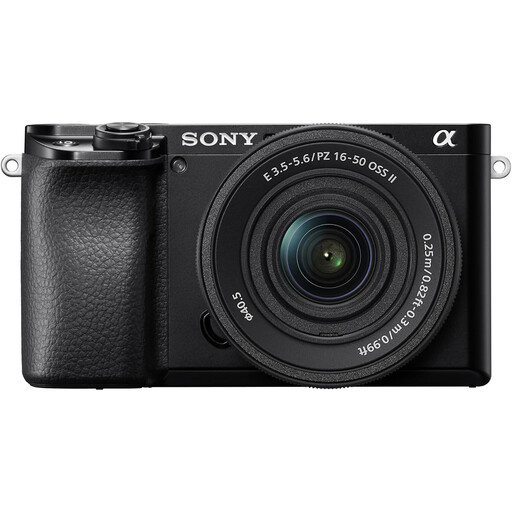
Sony A6400 with 16–50 mm Power Zoom lens
Consider this kit for whole-model tabletop shots when a tilting screen works with your camera position.
Sony specifies a 24.2 MP APS-C sensor for the α6400; the listed kit includes a 16–50 mm zoom. Check the supplied lens's close-focus capability if small folds must fill the frame.
View on Joybuy
 No image available
Sony A6100 with zoom lens
Consider this interchangeable-lens camera if you want a movable screen for tabletop composition and plan to check lens options for later detail work.
The product information describes a 180-degree tilting screen, but gives inconsistent details for the included zoom. Confirm the exact lens and its close-focus capability before ordering.
View on Joybuy
 No image available
Sony Alpha ZV-E10 II K with 16–50 mm Power Zoom kit lens
This kit may suit consumers planning origami stills alongside video, provided its still-photography controls meet their needs.
The listing describes a flip-out screen and a 16–50 mm power zoom but gives conflicting camera-type information. Confirm the exact camera configuration and the lens's close-focus capability.
View on Joybuy
 No image available
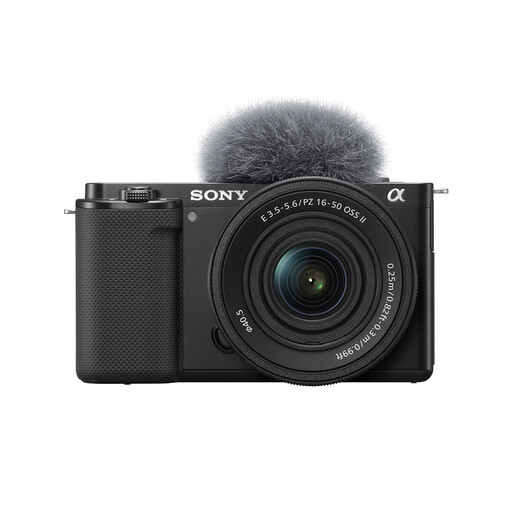
Sony ZV-E10K with 16–50 mm Power Zoom lens
Consider this interchangeable-lens kit if a vari-angle screen helps with your tabletop camera position.
The listing states that a 16–50 mm power-zoom lens is included. Check its close-focus capability and confirm the still-photography controls and sensor format you require.
View on Joybuy
Frequently asked questions
Do I need a macro lens to photograph origami?
Not for every photograph: a standard zoom can be enough when the entire model fits comfortably in the frame. If miniature modules or paper texture need to appear large, check a compatible close-focus lens; Nikon specifies 1:1 magnification for the Z MC 50mm f/2.8, while Canon specifies up to 1:2 for the RF 35mm F1.8 Macro.
Will a wide aperture keep every fold sharp against a dark background?
No. Nikon UK explains that a wider aperture narrows the zone in focus, while a smaller aperture admits less light. For a layered model, choose the depth of field you need and plan stable support and controlled lighting rather than relying on the aperture alone.
Does a tilting screen work as well as a vari-angle screen for overhead shots?
That depends on where your camera support sits. Canon specifies a vari-angle screen for the EOS R50, while Sony specifies a 180-degree tilting screen for the α6400; check the movement of the particular screen with your planned tripod arm or copy stand.
What should I check about cancellation when buying a camera online in the UK?
For UK distance sales, GOV.UK states that customers can cancel up to 14 days after delivery without giving a reason, subject to applicable exceptions. Check the seller's cancellation instructions and distinguish that right from any additional voluntary return period the retailer offers.


