
24/7 Customer Support

Free returns

Same-day & Next-day Delivery

Quality Guaranteed
Download the APP
Categories
By Joybuy Product Recommendation Officer
Navigating the world of baby products can feel overwhelming, especially when it comes to something as personal as a soother. You want to comfort your little one, but you also want to ensure you're making a choice that supports their healthy development. The term orthodontic soother appears frequently, but what does it really mean, and how do you select the right one for your baby?
This guide is designed to cut through the clutter. As a Product Recommendation Officer, my role is to provide clear, practical information to help you make a confident choice for your family. We will explore what to look for in a quality soother and share some of our top recommendations for 2026.
Choosing a baby dummy involves more than just picking a cute colour. Here are a few key factors to consider to ensure you find a safe and suitable option for your infant.
A baby’s immune system is still developing, so the material of their soother is paramount. Look for a BPA-free pacifier, which is standard for products sold in the UK. Most modern soothers use medical-grade or food-grade silicone for the teat. A silicone soother is an excellent choice as it is durable, odourless, non-allergenic and easy to clean. Always check the product description to confirm the materials used are non-toxic and safe for your child.
The defining feature of an orthodontic soother is its teat. Unlike traditional round cherry-shaped teats, an orthodontic teat is flattened on the bottom and rounded at the top. This asymmetrical shape is designed to support the natural development of your baby’s palate, jaw and teeth by mimicking the shape of a mother's nipple during breastfeeding. It encourages a natural sucking motion and allows more room for the tongue, which can help prevent future dental alignment issues.
Soothers are not one-size-fits-all. They are typically categorised by age, such as pacifier 0-6 months or 6-18 months, to ensure the teat and shield are appropriately sized for your baby's mouth and face. For breastfed babies, some soothers are specifically designed to feel more skin-like to avoid nipple confusion, making them a good soother for breastfed babies. If your little one is teething, a teething dummy with textured surfaces can provide gentle gum relief. For busy parents, a self-sterilising soother that comes with a microwaveable case offers valuable convenience.
Based on their design, materials and user-focused features, here are our recommendations for parents to consider.
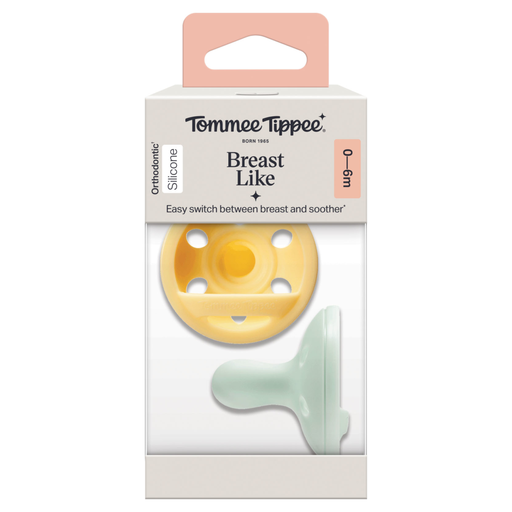
Why It Stands Out: This soother is designed to mimic the natural flex, stretch and feel of a mother's breast. Its teat is made from super-soft silicone, providing a familiar sensation that can help settle babies who are breastfed or transitioning between breast and bottle.
Pros:
Who is it for? This is an excellent choice for parents of newborns and infants up to 6 months, particularly those looking for a newborn soother that complements breastfeeding.
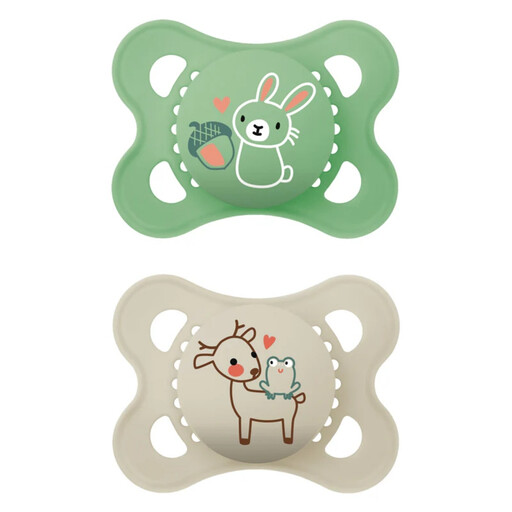
Why It Stands Out: The MAM Original soother combines convenience and sustainability. It comes in a travel case that doubles as a self-sterilising soother box—just add water and microwave for 3 minutes. It is also MAM's first carbon-neutral soother, made from bio-renewable materials.
Pros:
Who is it for? Ideal for environmentally conscious parents and those who need a practical, easy-to-clean solution for a pacifier 0-6 months while out and about.
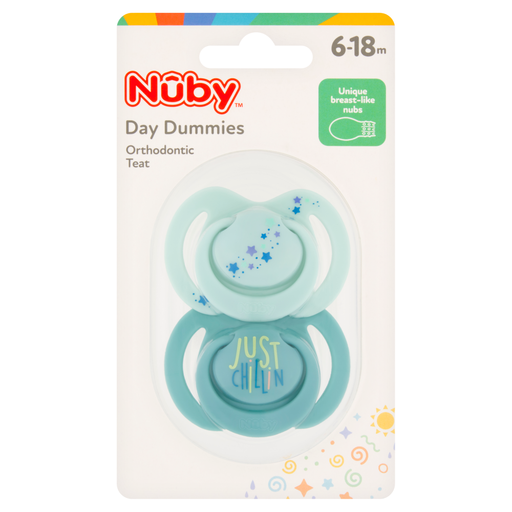
Why It Stands Out: Specifically designed for older babies, this soother features unique massage nubs on the teat. These nubs gently soothe sore gums, making it a fantastic teething dummy that provides comfort beyond simple sucking.
Pros:
Who is it for? A perfect fit for parents of babies aged 6-18 months, especially those who are experiencing the discomfort of teething and need a soother that offers extra relief.
Every baby has unique preferences, and what works for one may not work for another. If these recommendations aren't quite what you're looking for, or if you'd like to see a wider variety of styles, materials and sizes, there are many other excellent choices available.
Explore our full collection to find the perfect match for your little one.
Discover More in Our Pacifier Category
The primary benefit is its shape. An orthodontic soother is designed to support the natural development of a baby's palate, jaw and teeth. The flattened bottom and curved top provide more space for the tongue's natural movement, which helps promote healthy oral anatomy and may reduce the risk of dental issues later on.
For both hygiene and safety, it is generally recommended to replace a soother every 1-2 months. You should also inspect it before each use by pulling the teat in all directions. At the first sign of damage, weakness or tears—especially once your baby has teeth—the soother should be discarded immediately.
Yes, regulations in the United Kingdom and the European Union mandate that baby feeding products, including soothers, must be BPA-free. Reputable brands will always adhere to these safety standards. Materials like silicone are widely used as they are safe, durable and free from harmful chemicals. However, it is always good practice to check the packaging for confirmation.