
24/7 Customer Support

Free returns

Same-day & Next-day Delivery

Quality Guaranteed

Unlock Your Welcome Offers: FREE Delivery | Up to 80% OFF | Free 30-day JoyPlus trial
Download the APP
As a dog owner, your companion's comfort is a top priority. It can be disheartening to see them struggle to get comfortable, especially as they get older or if they are a breed prone to joint issues. The market is filled with options, making it difficult to know which bed will genuinely provide the support they need.
This guide is designed to help you navigate the choices. We will look at the key features that define a quality orthopaedic dog bed and offer some practical advice to help you find a supportive, durable and comfortable resting place for your dog.
Choosing the right bed involves more than just picking a nice colour. Here are a few key considerations to keep in mind during your search.
The defining feature of an orthopaedic bed is its core. While a standard plush pet bed is filled with soft polyester fibre, a truly supportive dog bed uses denser materials. Look for options with egg-crate foam or memory foam. These materials are designed to contour to your dog's body, distributing their weight evenly and reducing pressure on their joints and spine. This is particularly important when choosing a dog bed for arthritis or for senior dogs who need extra relief.
A dog bed is a long-term investment, so practicality matters. A washable dog bed with a removable, machine-safe cover is essential for maintaining hygiene and managing shedding. Another feature to consider is an anti-slip dog bed base. This provides stability, preventing the bed from sliding on smooth floors as your dog gets on and off, which is a crucial safety feature for less mobile pets.
Observe how your dog likes to sleep. Do they curl up in a ball or stretch out? For dogs that like to feel secure, a bed with raised edges or bolsters can provide a sense of safety and comfort, acting as a calming dog bed. These bolsters also offer a convenient headrest. For dogs that prefer to sprawl, a flat mattress-style bed might be a better fit. The right size is also vital; a medium dog bed should give a medium-sized breed enough room to rest without being excessively large.
Here are a few recommendations that balance support, comfort and practical features for UK dog owners.

Why It Stands Out: This bed combines the comforting qualities of a plush, calming bed with the structural benefits of an orthopaedic one. The core is made from egg-crate foam, which helps to promote spinal alignment and support joints. The sofa-style design includes an elevated headrest for neck support, and the entire bed is covered in a soft, fluffy faux fur.
Pros:
Who is it for: This is a great option for dogs who experience anxiety and could benefit from the secure, calming design, as well as those needing reliable joint support.
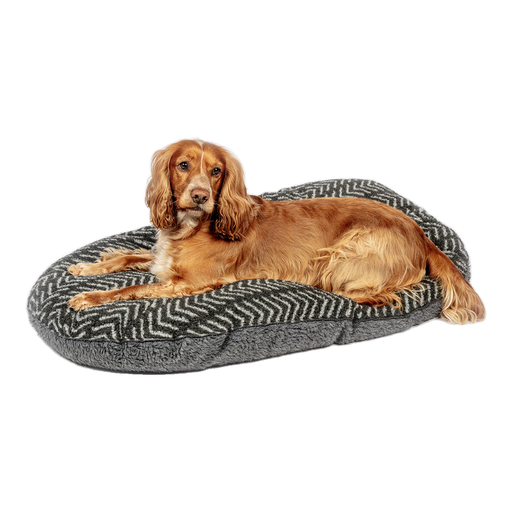
Why It Stands Out: For those who prefer a mattress-style bed, this option from Danish Design offers warmth and consistent comfort. It is crafted with a soft knitted Sherpa fleece and filled with supersoft polyester fibre. The quilted construction is a key feature, as it ensures the filling remains evenly distributed, preventing lumps and providing consistent support across the entire surface.
Pros:
Who is it for: Ideal for owners seeking a versatile and stylish medium dog bed mattress. It’s a good fit for dogs that like to stretch out and for use in different areas around the home.
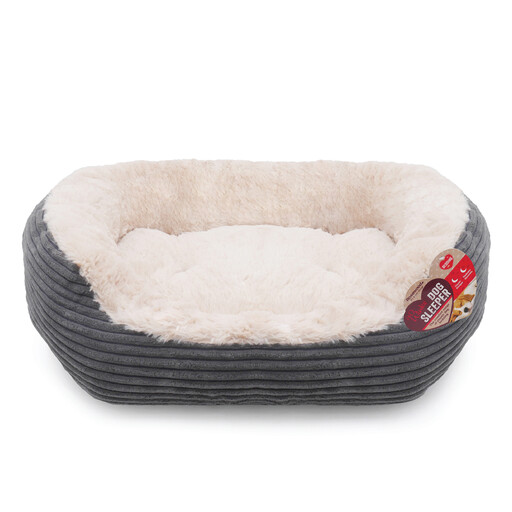
Why It Stands Out: This bed is constructed from a durable and ultra-soft jumbo cord fabric, offering a cosy spot for your dog to rest. Its main appeal lies in the high, plush edges that create a sense of security, making it perfect for dogs that love to curl up and feel protected. The sturdy construction is designed for long-lasting use.
Pros:
Who is it for: A solid choice for dogs that are "nesters" or "curlers." The raised sides provide a feeling of security that can be very calming for many dogs.
The right bed ultimately depends on your dog's individual needs and sleeping habits. If these recommendations aren't quite what you're looking for, or if you need a different size or style, there are many other choices available.
Explore our wider collection of padded mats to find more supportive and comfortable solutions for your companion.
1. What makes a dog bed 'orthopaedic'? An orthopaedic dog bed is defined by its supportive core. Unlike standard beds filled with loose stuffing, it uses a solid pad of high-quality foam (such as memory foam or egg-crate foam) to provide firm, even support. This design helps to relieve pressure on a dog's joints, hips and spine, making it a supportive dog bed for pets of all ages.
2. How often should I clean a dog bed? For general hygiene, it's a good idea to wash your dog's bedding every one to two weeks. If your dog sheds a lot, has allergies or spends a lot of time outdoors, you may need to wash it more frequently. This is why choosing a washable dog bed with a removable cover is so practical for long-term use.
3. Is an orthopaedic bed only for senior dogs? Not at all. While they are essential for senior dogs and those with conditions like arthritis, an orthopaedic dog bed is beneficial for dogs of all ages. Providing proper joint support from a young age can be a preventative measure, especially for large breeds that are genetically predisposed to hip and joint problems later in life.