
24/7 Customer Support

Free returns

Same-day & Next-day Delivery

Quality Guaranteed

Unlock Your Welcome Offers: FREE Delivery | Up to 80% OFF | Free 30-day JoyPlus trial
Download the APP
Waking up with a stiff neck or aching shoulders is a frustratingly common experience. While many factors can contribute to poor sleep, an unsupportive pillow is often a key culprit. An orthopaedic pillow is designed to promote healthy spinal alignment, providing targeted support to your head and neck. This can help alleviate discomfort and lead to a more restorative night's sleep.
Navigating the market can be confusing, with countless materials, shapes and claims. As your Joybuy Product Recommendation Officer, my role is to help you understand the options. This guide will walk you through what to look for in an orthopaedic pillow and highlight a few noteworthy choices to help you find the right fit for your needs.
Before looking at specific products, it helps to understand what features matter most. Focusing on these key areas will help you make a more informed decision.
The way you sleep is the most important factor in choosing a pillow. The goal is to keep your head, neck and spine in a neutral line.
Pillow technology has advanced significantly, offering solutions for various sleep-related issues.
If you are specifically looking for a pillow for neck pain or a pillow for shoulder pain, focus on designs that offer ergonomic support. Contoured shapes and materials that prevent your head from sinking too low are essential for maintaining alignment and reducing strain on your muscles and joints.
Here are a few recommendations that cater to different needs and preferences, selected for their design, materials and user-focused features.
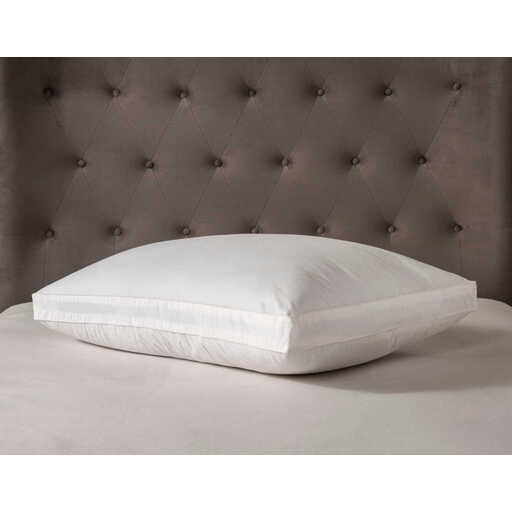
Why It Stands Out: This pillow combines a traditional feel with enhanced structure. Its gusseted box border creates vertical sides, which helps the pillow maintain its shape and provides consistent, even support across the entire surface. This is a significant step up from standard pillows that can flatten in the centre.
Pros:
Who is it for? This is an excellent choice for side sleepers who need consistent elevation and support. It's also ideal for anyone who prefers the feel of a classic fibre-filled pillow over memory foam but still wants improved structure for better alignment.
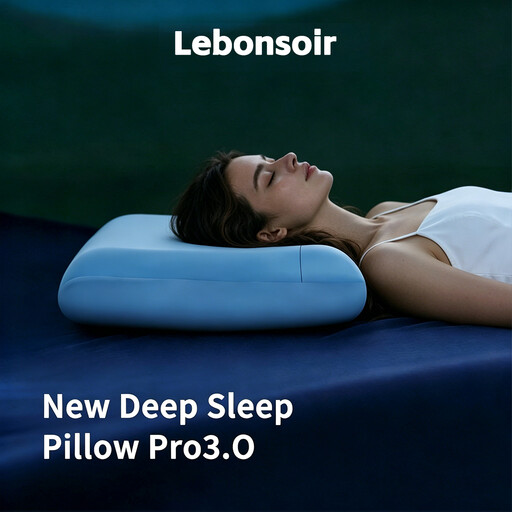
Why It Stands Out: This pillow features a sophisticated 3-layer foam construction designed for both comfort and support. The top layer of slow-rebound foam cradles the head, while the firmer lower layers prevent it from sinking too deep, ensuring proper alignment. Its ergonomic contour is specifically shaped to fit the curve of the neck.
Pros:
Who is it for? Anyone actively seeking a cervical pillow for neck pain or shoulder discomfort. Its specialised design is aimed at promoting spinal alignment and muscle relaxation, making it a strong candidate for those with persistent sleep-related aches.

Why It Stands Out: This pillow’s greatest strength is its versatility. It is an adjustable pillow with removable inner layers, allowing you to customise the height and firmness to your exact preference. It also incorporates an Outlast cooling layer to help dissipate heat. According to the manufacturer, this technology helps balance temperature by absorbing and releasing heat.
Pros:
Who is it for? This is a great fit for sleepers who struggle to find the right pillow height, those who get too warm at night, or anyone who wants the flexibility to adapt their pillow as their needs change. Its customisability makes it suitable for side, back and stomach sleepers alike.
Finding the right pillow is a personal journey. If these specific models aren't quite what you're looking for, or if you'd like to explore a wider variety of materials and support levels, we have more options. Discover our full collection of comfortable pillows to find your perfect match.
If you regularly wake up with neck stiffness, shoulder aches or headaches, your current pillow may not be providing adequate support. Other signs include frequently waking up to fluff or reposition your pillow, or feeling like you can't get comfortable. An orthopaedic pillow is designed to address these issues by promoting better alignment.
There is often an adjustment period of a few nights to a week. Your muscles may be used to compensating for poor alignment, so it can take a little time for them to relax into the new, healthier position. Be patient, as the long-term benefits to your comfort and sleep quality are often worth the initial adjustment.
A regular pillow, typically filled with feathers, down or polyester fibre, offers a more uniform surface that compresses under weight. A memory foam pillow, on the other hand, is made from viscoelastic foam that responds to heat and pressure, moulding to the specific contours of your head and neck. This provides more targeted, personalised support and helps distribute weight more evenly.