
24/7 Customer Support

Free returns

Same-day & Next-day Delivery

Quality Guaranteed

Unlock Your Welcome Offers: FREE Delivery | Up to 80% OFF | Free 30-day JoyPlus trial
Download the APP
As a dog owner in the UK, you want to provide the best for your companion. When it comes to their rest, an orthopedic dog bed seems like a sensible choice, especially for senior dogs, large breeds or those with joint issues. However, the market is flooded with options, and it's easy to fall for marketing claims that don't deliver. Many beds that are labelled "orthopedic" offer little more than a standard cushion, and practical features can often be disappointing in reality.
My role as a Joybuy Product Recommendation Officer is to help you see past the hype. This guide will highlight the common pitfalls to avoid and break down the essential features to look for, ensuring you invest in a bed that genuinely supports your dog's health and comfort.
Before you add a bed to your basket, be aware of these frequent issues that lead to buyer's remorse:
dog bed with a removable cover sounds great for hygiene. The problem arises when the cover shrinks after the first wash, the zip is flimsy and breaks or it’s a struggle to get the foam back inside. Even worse, many designs lack a waterproof liner, meaning any accidents soak directly into the foam, which is often impossible to clean properly.large dog bed should be large enough for a Labrador or a Golden Retriever to stretch out comfortably. Too often, beds are sized for smaller international breeds, leaving larger British dogs cramped and unsupported. Always check the dimensions in centimetres, not just the S/M/L label.To find a genuinely supportive dog bed for joints, focus on these non-negotiable specifications.
The heart of any orthopedic bed is its foam. Don't just look for thickness; consider the type and quality.
A practical washable dog sofa is defined by its cover. The material should be both comfortable for your pet and durable enough for regular use and washing.
fluffy pet bed surface can be great for comfort, but ensure the base fabric is strong.The overall design contributes significantly to comfort and security.
calming dog bed.Based on these practical criteria, here are a few options matched to different owner and pet needs.
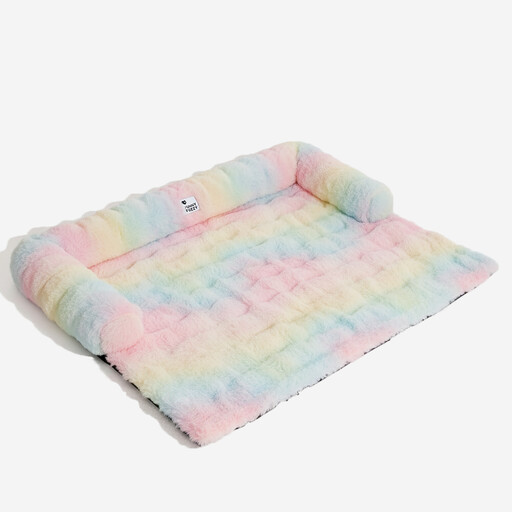
Why This Fits Their Persona: Ideal for owners of small to medium dogs who prioritise a sense of security and plush comfort. The fluffy faux fur surface is designed to be calming, making it suitable for anxious pets or those who love to snuggle.
It avoids the "plush but unsupportive" trap by including an egg-crate foam base. This provides underlying joint and spinal support beneath the soft, calming surface.
Features a removable, machine-washable cover for easy cleaning and a non-slip base for stability. The elevated headrest supports the neck.
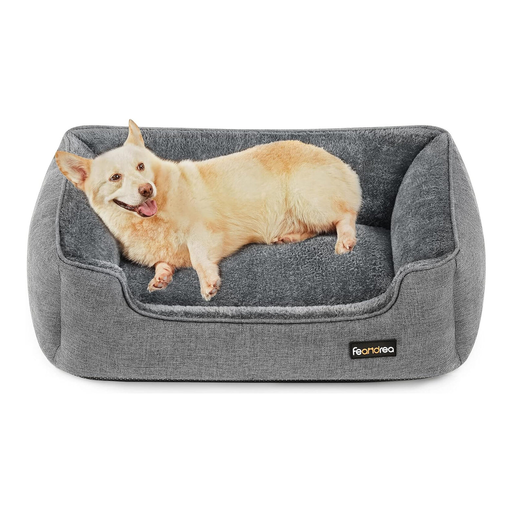
Why This Fits Their Persona: This is for the owner who values hygiene and convenience above all. It's a robust, no-fuss solution for medium-sized dogs, designed for easy and thorough cleaning.
It directly counters the "impractical washable cover" trap. The design features a double zip on the bottom, making the cover genuinely easy to remove and refit for machine washing.
The high, soft edge provides excellent head and neck support, while the non-slip rubber dots on the base ensure the bed stays put, even with an active dog.

Why This Fits Their Persona: This bed is for owners of large breeds like German Shepherds or Retrievers or any senior dog needing ample space and support. The focus is on generous dimensions and joint-cushioning features.
It avoids the "misleading sizing" trap with its clear XXL dimensions (120 x 90 cm), providing genuine room for large dogs to stretch out. The generous PP cotton filling prevents "bottoming out".
The raised, bolstered edges offer excellent head and neck support, creating a secure den. The entire linen-look cover is removable and machine washable.
We have compiled a complete, real-time list of products that fully satisfy these strict selection criteria and UK safety regulations.
While any dog can benefit from a supportive bed, there are clear signs that one is needed. Look for stiffness when getting up, reluctance to jump or use stairs or favouring one limb. Senior dogs, large breeds prone to hip dysplasia (like Labradors and German Shepherds) and dogs diagnosed with arthritis will all benefit from the joint support an orthopedic bed provides.
For general hygiene, it's a good practice to wash the cover every one to two weeks. If your dog has allergies, sheds heavily or is prone to accidents, you may need to wash it more frequently. Always ensure the cover is completely dry before putting it back on to prevent mildew.
Both can be effective. Egg-crate foam is generally better for air circulation and provides good, all-round pressure distribution. Memory foam offers superior contouring and is often denser, providing firmer support for heavier dogs or those with more severe joint pain. The right choice depends on your dog's specific weight and health needs.