
24/7 Customer Support

Free returns

Same-day & Next-day Delivery

Quality Guaranteed

Unlock Your Welcome Offers: FREE Delivery | Up to 80% OFF | Free 30-day JoyPlus trial
Download the APP
Finding the right outdoor backpack can feel like a challenge. The bag that serves you well on a daily commute to the office or university is rarely the one you’d want on a windswept trail in the Peak District. The needs of a student, a weekend hiker and a dedicated trail runner are all distinct, and your gear should reflect that.
This guide is designed to help you navigate the key features of an outdoor backpack. We will break down what to look for based on your specific activities, helping you find a reliable pack that supports your lifestyle, from daily use to specialised expeditions.
Before you decide, it’s helpful to understand the features that separate a simple daypack from a technical hiking rucksack. Focusing on these three areas will ensure you select a bag that performs when you need it most.
A backpack's volume, measured in litres (L), is the first indicator of its intended use.
An ill-fitting pack can turn an enjoyable outing into a chore. A quality comfort system distributes weight evenly to reduce strain on your shoulders and back. Look for padded shoulder straps, an adjustable sternum strap and a supportive hip belt. For heavier loads, a backpack with frame—often a lightweight internal metal structure—is crucial. This frame transfers the majority of the pack's weight from your shoulders to your hips, which are better equipped to carry the load.
Your backpack will be exposed to the elements, so its material matters. High-strength polyester and nylon fabrics offer good resistance to abrasion from rocks and branches. For use in the UK, a waterproof backpack or one made from highly water-resistant fabric with sealed seams is a significant advantage. A well-constructed pack is a durable travel bag that will serve you for years, making it a worthwhile investment.
Based on function, design and user-centric features, here are our recommendations for different needs.
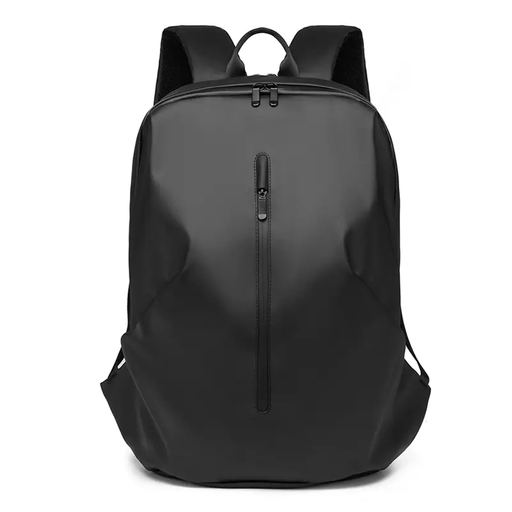
Why It Stands Out: This backpack is defined by its versatility. It seamlessly transitions between a business bag for your laptop, a student school bag for your books and a gym bag for your kit. Its clean, minimalist design fits well in an urban environment, while its construction is robust enough for daily use.
Pros:
Who is it for?: Ideal for students, urban commuters and anyone needing a single, reliable unisex backpack for a variety of daily activities.
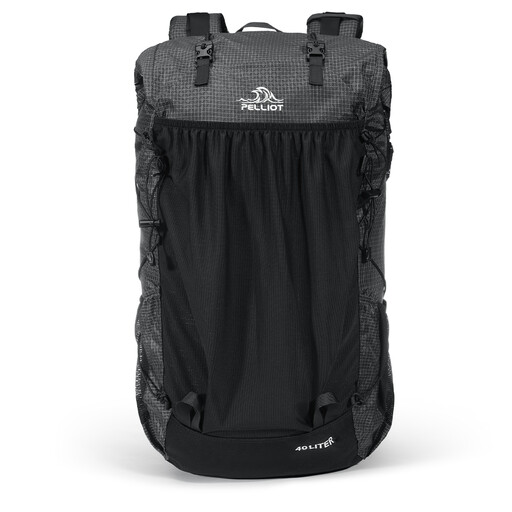
Why It Stands Out: This pack is engineered for serious trekking. Its standout feature is the built-in alloy support frame, which works with the harness system to transfer weight to your hips. This scientific load distribution makes carrying heavier gear on multi-day hikes significantly more comfortable.
Pros:
Who is it for?: Hikers and campers who need a technical hiking rucksack for multi-day trips. It's built for those who carry heavier loads and prioritise comfort and stability on the trail.
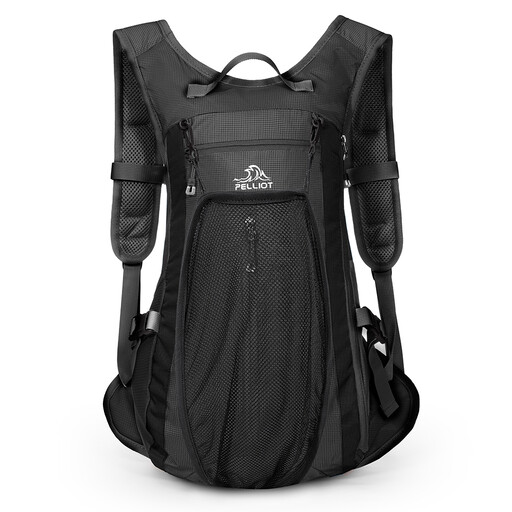
Why It Stands Out: This pack is all about speed and stability. The S.L.F (Stable, Lightweight, Quick-Access) design principle ensures the pack hugs your body, eliminating bounce during high-intensity activities. It's an ultra-lightweight backpack that doesn't compromise on durability.
Pros:
Who is it for?: Trail runners, cyclists and fast-hikers who need a minimal, stable and lightweight backpack for high-output adventures.
If our recommendations don't quite match what you're looking for, or if you'd like to explore a wider range of sizes and styles, we have more to see. From larger expedition packs to compact hydration vests, finding the right fit is key.
Browse our full collection of Adventure Backpacks to find the perfect companion for your next journey.
A hiking rucksack or trekking backpack is purpose-built for carrying loads over long distances. Key differences include an internal backpack with frame, advanced suspension systems with padded hip belts and sternum straps and construction from highly durable, weather-resistant materials. A regular backpack, such as a student school bag, prioritises simpler organisation for lighter, everyday items and typically lacks these technical features.
Yes, a 40L rucksack is widely considered an excellent capacity for a 2-3 day trip. It offers sufficient space for essential clothing, a compact sleeping bag, food and other gear for a weekend of hiking or camping, all while remaining manageable in size and weight.
To preserve its integrity, you should avoid machine washing a waterproof backpack, as this can damage the protective coatings and taped seams. The recommended cleaning method is to wipe the surface with a damp cloth and mild soap. For stubborn dirt, use a soft-bristled brush. Always allow the pack to air dry completely, away from direct heat sources or sunlight. For specific guidance, it is always best to check the manufacturer's care label.