
24/7 Customer Support

Free returns

Same-day & Next-day Delivery

Quality Guaranteed

Unlock Your Welcome Offers: FREE Delivery | Up to 80% OFF | Free 30-day JoyPlus trial
Download the APP
Finding the right outdoor backpack can feel like a challenge. With so many options, capacities and features, it's easy to get lost in the details. A pack that’s too big can be cumbersome, while one that’s too small leaves essential gear behind. The right choice, however, can make any adventure more comfortable and enjoyable.
This guide is designed to cut through the clutter. As a Joybuy Product Recommendation Officer, my role is to provide clear, practical advice to help you select a pack that genuinely fits your needs, whether you're planning a gentle day hike, a multi-day trek or a technical mountain ascent.
Before looking at specific models, consider these key factors. Getting them right is the first step towards a successful purchase.
A pack's volume, measured in litres (L), is its most important specification.
An ill-fitting pack can cause discomfort and strain. Look for a backpack with back support that suits your body. Key features include:
The UK's changeable weather means durability and water resistance are important. Look for packs made from high-strength fabrics like grid polyester or high-density nylon, which resist tears and abrasion. While few packs are fully submersible, many are made from water-resistant materials or include a rain cover, making them a reliable waterproof travel bag for most situations.
Here are a few standout options, selected for their specific features and suitability for different outdoor pursuits.
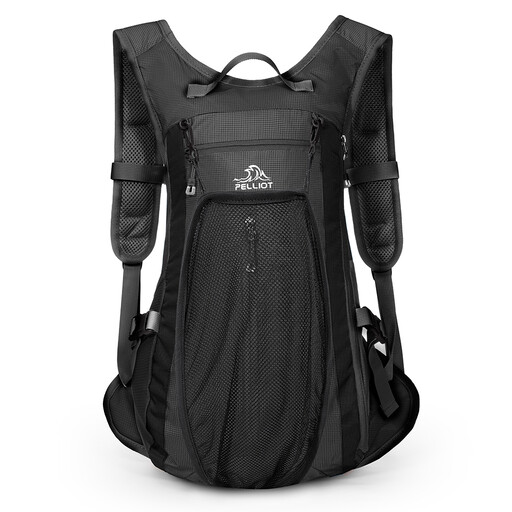
Why It Stands Out: This pack is engineered for movement. The S.L.F (Stable, Lightweight, Quick-Access) harness system is designed to hug the body, minimising bounce during high-intensity activities. Its ultra-lightweight construction and organised compartments make it a strong candidate for a trail running vest or fast-and-light day hikes.
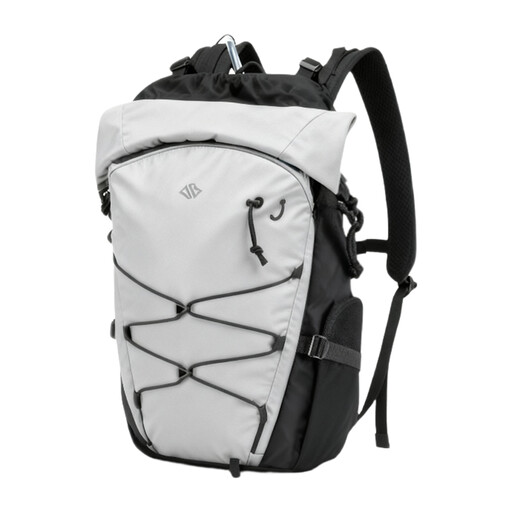
Why It Stands Out: This 25L daypack is a versatile all-rounder. Its main strength lies in its simplicity and comfort, featuring a breathable back panel that improves airflow on warmer days. The 25-litre capacity is generous enough for a full day's hike, a weekend city break or daily use as a commuter or student bag.
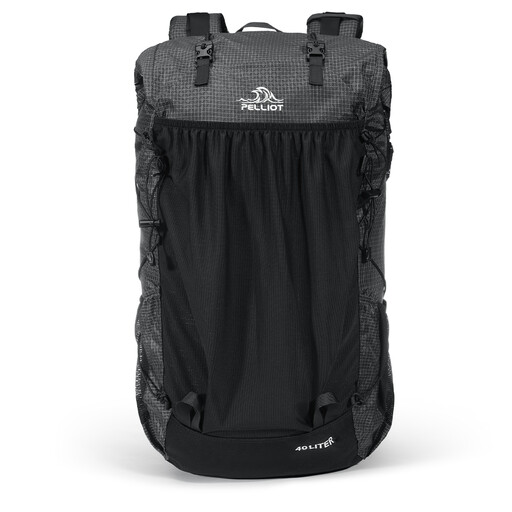
Why It Stands Out: Built for heavier loads and longer journeys, this 40L rucksack features a serious support system. The internal alloy support frame and scientific load distribution are designed to transfer weight to the hips, reducing back and shoulder fatigue on multi-day treks. The dynamic harness adjusts as you walk, allowing for more natural movement.
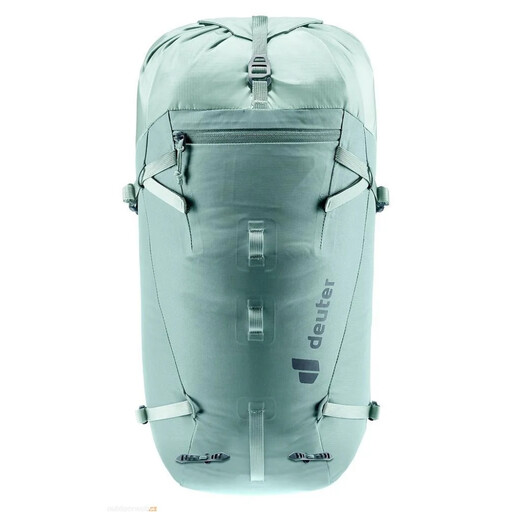
Why It Stands Out: This is a specialised mountaineering pack designed for alpine environments. Its construction from rugged 420D high-density nylon offers exceptional durability against rock and ice. It features dedicated attachment points for ice axes and trekking poles, a streamlined profile and a fit system that works well over bulky layers, making it a tool for serious mountain objectives.
If you haven't found the perfect fit here, or if your adventure calls for a different size or feature set, don't worry. There are many other styles available to suit every type of outdoor activity.
Explore our complete collection of Explorer backpack options to find the ideal pack for your next journey.
First, determine your primary activity to decide on capacity (in litres), as explained in our guide above. Second, ensure a proper fit by measuring your torso length (from the base of your neck to the top of your hip bones) and choosing a pack with an adjustable harness system to match. A well-fitted pack will feel much lighter and more comfortable.
While the terms are often used interchangeably, a hiking rucksack typically refers to packs in the 25-40L range, designed for single-day or overnight trips. A trekking backpack is generally larger (40L+) and features a more robust frame and suspension system to comfortably carry heavier loads for multi-day expeditions.
For most users, a pack made from highly water-resistant fabric combined with an included or separate rain cover is sufficient to handle typical UK downpours. These packs offer excellent protection for your gear without the extra weight and cost of a fully submersible dry-bag style pack, which is usually only necessary for activities like kayaking or canyoning.