Joybuy Insights

Your Guide to Choosing the Right Outdoor Backpack

An outdoor backpack is more than just a bag; it's a crucial piece of equipment that can make or break your adventure, commute or trip. Whether you're scaling a peak in the Brecon Beacons or navigating the London Underground, the right pack carries your essentials comfortably and securely. However, the market is flooded with options, and it's easy to fall for marketing hype. This guide will help you sidestep common purchasing pitfalls and identify the key features that truly matter for your needs.

The Hidden Flaws: 3 Common Backpack Buying Traps to Avoid

Before you spend your money, be aware of these frequent issues that can lead to buyer's remorse.

  1. The "Waterproof" Illusion: Many backpacks are labelled "waterproof" but are, in reality, only water-resistant. They might withstand a light drizzle, but a proper British downpour can leave your gear soaked. True waterproofing involves specific construction like welded seams or roll-top closures, not just a coated fabric. A pack that fails this test can mean a ruined laptop or a dangerously wet set of spare clothes on the trail.
  2. The "One-Size-Fits-All" Myth: A poorly fitting backpack is a recipe for discomfort and even injury, especially on a long hike. Many people overlook the importance of torso length and an adjustable harness system. A bag that isn't tailored to your body will put excessive strain on your shoulders and spine, rather than distributing the weight correctly to your hips.
  3. Paying for Features You Don't Need: It's easy to be tempted by a mountaineering pack with countless straps, loops and compartments. But if your primary use is as a commuter backpack or for light day trips, these extras add unnecessary weight, complexity and cost. The key is to match the pack's features to your actual activity.

Core Parameters: What to Check Before You Buy

To make an informed choice, focus on these three non-negotiable factors. Analysing them will ensure you get a pack that performs as expected.

1. Capacity: How Many Litres Do You Really Need?

A backpack's volume is measured in litres (L), and choosing the right size is the first step.

  • 10-25 Litres: This range is ideal for a lightweight daypack. It's perfect for a trail running pack, a cycling rucksack, or a compact commuter backpack to carry a laptop, a water bottle and a few essentials. A 25L backpack is a versatile choice for short hikes or generous daily use.
  • 25-40 Litres: This is the sweet spot for a dedicated hiking backpack. A 40L rucksack offers ample space for a full day's worth of gear, including extra layers, food, navigation tools and a first-aid kit, making it suitable for all-season UK hillwalking.
  • 45+ Litres: Reserved for serious adventures, these packs are designed for multi-day trekking and mountaineering. They can accommodate a tent, sleeping system, cooking equipment and more.

2. The Harness System: Comfort Through Engineering

A good fit is paramount for any pack you'll carry for more than an hour. Look for these features:

  • Adjustable Torso Length: High-quality trekking and mountaineering packs allow you to adjust the shoulder harness position to match your specific torso length (measured from the C7 vertebra at the base of your neck to the top of your hip bones). This ensures the pack sits correctly.
  • Load-Bearing Hip Belt: A padded hip belt is essential for any pack carrying significant weight. It should sit comfortably on your iliac crest (the top of your hip bones) to transfer around 80% of the pack's weight from your shoulders to your hips.
  • Sternum Strap: This small strap connects the shoulder straps across your chest, preventing them from slipping outwards and helping to stabilise the load.

3. Material and Weather Resistance

The fabric of a pack determines its durability and ability to handle the elements.

  • Fabric Density (Denier): This is a measure of a fabric's thickness and abrasion resistance. A higher number, such as 420D (Denier) nylon, indicates a more robust and tear-resistant material, suitable for rugged outdoor use. Lighter packs may use a lower Denier fabric to save weight.
  • Weather Protection: Check if the pack is made from water-resistant material or if it includes a dedicated rain cover. For activities where you're likely to be exposed to heavy rain, a pack with an integrated or separate rain cover offers more reliable protection than a simple DWR (Durable Water Repellent) coating, which can wear off over time.

Our Top Product Recommendations

We've selected a few options from our collection, matching them to specific user profiles to help you find a suitable fit.
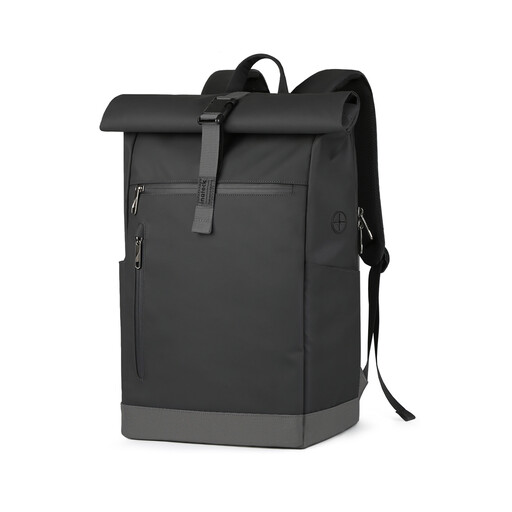
MATCH FOR: The Versatile Urban Commuter
Inateck RollTop Backpack Men Women 25L-30L

Inateck RollTop Backpack Men Women 25L-30L

Why This Fits Their Persona: This pack's expandable capacity (25L to 30L) and padded 17-inch laptop compartment make it ideal for the daily commute to the office or university. Its modern roll-top design is stylish and the dual-access system is practical for grabbing items on a busy train.

How It Avoids the Trap

It avoids the "over-featured" trap by focusing on practical urban needs rather than technical mountain features. Its weather protection is honestly described as "splashproof," managing expectations for city use.

Key Advantage & Pros

Flexible 25-30L capacity and quick access through either the roll-top or a rear zipper.
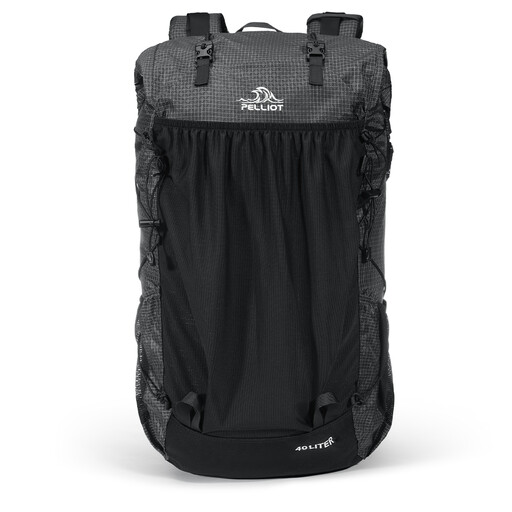
MATCH FOR: The Serious Day Hiker
PELLIOT Trekking Backpack Unisex 40L

PELLIOT Trekking Backpack Unisex 40L

Why This Fits Their Persona: This 40L rucksack is built for long days on the fells. Its internal alloy frame and advanced harness system are designed to carry a substantial load comfortably, making it a strong candidate for challenging day hikes in the UK's national parks.

How It Avoids the Trap

It directly counters the "one-size-fits-all" trap by focusing on a scientific load distribution system and a dynamic harness that moves with your body, preventing the back and shoulder strain common with simpler packs.

Key Advantage & Pros

The combination of an alloy support frame and a 3D breathable cushioning system provides excellent comfort and stability under load.
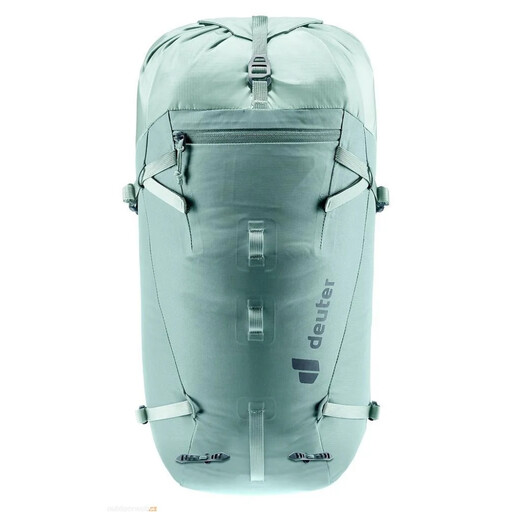
MATCH FOR: The Technical Alpine Specialist
Deuter Guide 28L Mountaineering Backpack

Deuter Guide 28L Mountaineering Backpack

Why This Fits Their Persona: This is a purpose-built mountaineering pack. Its tough 420D nylon fabric, ice axe loops and helmet attachment points are designed for climbers and alpinists who need their gear to be secure, accessible and reliable in harsh conditions.

How It Avoids the Trap

It avoids the "waterproof" illusion by providing a highly durable, abrasion-resistant shell and including a separate, integrated rain cover for genuine protection in heavy downpours—the practical solution for alpine use.

Key Advantage & Pros

Specialised gear attachments for technical equipment and a robust, ventilated back system for comfort during strenuous climbs.

Looking for More Options?

We have compiled a complete, real-time list of products that fully satisfy these strict selection criteria and UK safety regulations.

Frequently Asked Questions

How do I measure my torso length for a hiking backpack?

To find your torso length, ask a friend to help you. Tilt your head forward to find the prominent bone at the base of your neck—this is your C7 vertebra. Then, place your hands on your hips, with your thumbs pointing towards your spine; the imaginary line between your thumbs marks your iliac crest. The distance between the C7 vertebra and this line is your torso length. Most brands provide a size chart that matches torso measurements to pack sizes.

What is the difference between a men's and a women's hiking backpack?

A women's hiking backpack is not just a smaller or differently coloured version of a men's pack. It is engineered to fit the female form. Typically, they feature:

  • Shorter torso lengths.
  • S-shaped shoulder straps that curve around the chest for greater comfort.
  • A narrower profile between the shoulder straps.
  • A canted hip belt that is angled to sit more naturally on wider hips. The Deuter Guide 22L SL is a good example of a pack designed with these specific adjustments.

How should I clean my outdoor backpack?

Never machine wash or tumble dry your backpack, as this can damage the fabrics, coatings and structural components. Instead, empty the pack completely and wipe the interior and exterior with a damp cloth. For stubborn dirt, use a soft brush and a mild, non-detergent soap. Rinse it thoroughly with cool water and hang it to air dry completely, away from direct sunlight or heat.