
24/7 全天候客户支持

免费退货

当日/次日达

品质保障

开启新人专享福利: 全场免邮 | 低至 2 折 | 免费试用 30 天 JoyPlus 会员
下载 Joybuy
Choosing outdoor camping equipment can seem straightforward until a product fails in wet weather, takes up too much boot space or cannot power the devices you actually need. Campers, hikers, festival-goers and families often spend more than planned because product pages highlight impressive-sounding features without explaining the limitations.
Before buying camping gear, look beyond the headline claims. Check dimensions, packed weight, materials, power ratings and the conditions in which each item is suitable. The right combination of portable camping essentials can make a weekend away more organised, comfortable and easier to manage.
An inflatable camping sleeping mat may look spacious in a product image, but the packed size determines whether it fits inside your rucksack or car boot. Always compare both measurements. A double mat measuring 200 x 140 cm when inflated may require considerably more storage space than a single mat packed to approximately 26 x 10 cm.
For backpacking, packed dimensions and weight are often more important than the inflated surface area. For family camping or caravan use, comfort and width may take priority.
Water-resistant or waterproof materials can help protect against spills, damp grass and light rain, but they do not automatically make an item suitable for prolonged heavy rain. A picnic mat tote bag may protect food and belongings during a short outdoor lunch, while a tent footprint or groundsheet may be needed for extended wet conditions.
Also check closures, seams and the underside. Water can enter through unsealed joins even when the main fabric is described as waterproof.
A portable power station with a high watt-hour figure still needs to match the output requirements of your appliances. Battery capacity, continuous wattage, peak wattage, charging time and available ports all affect usefulness.
Similarly, a camping storage box may offer generous internal space but be awkward to carry if it has no recessed handles or cannot stack securely. Consider how the product will be transported, opened and stored between trips.
For lightweight camping equipment, compare:
Compact designs such as folding tote bags, compressed towels and flat-lid storage boxes can reduce the number of separate items you need to carry.
Common camping accessories use polyester, nylon, TPU, polypropylene (PP) or mixed fabric constructions. Each has a practical role:
Avoid storing damp gear in sealed containers. Dry mats, towels and fabric items fully first to reduce odours and mould.
When selecting a portable power station, check the continuous AC output rather than relying only on peak output. A model listed with 600 W output and 1,200 W peak output may handle certain short start-up surges, but it is not designed to run every high-wattage appliance.
For products used in the UK, review the seller’s safety information, plug type, charger specifications and relevant conformity markings. Do not use damaged cables, expose the unit to rain unless the instructions permit it, or place it near open flames. Battery products should be charged, transported and stored according to the manufacturer’s instructions.
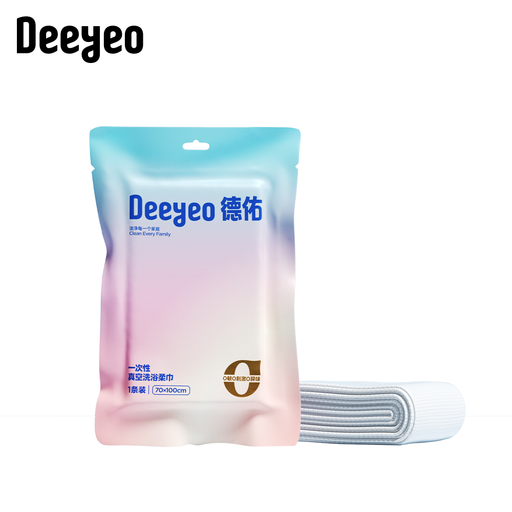
Why This Fits Their Persona: A compact option for first-time campers, festival visitors and travellers who want a personal towel without filling a wash bag.
Its compressed format addresses the packed-size problem. Check the expanded dimensions before purchase if you need a large bath towel rather than a lightweight travel towel.
Single-pack format; designed to expand quickly and provide a soft, absorbent surface for travel use.
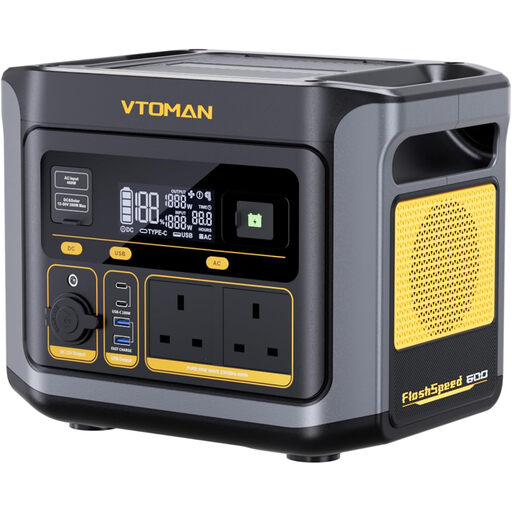
Why This Fits Their Persona: Suitable for campers, motorhome users and remote workers who need several charging options away from a mains socket.
The stated 499 Wh capacity is paired with a 600 W output and 1,200 W peak figure, making the limits clearer than capacity alone.
Includes USB-C PD 100 W, AC, USB-A, DC and car-socket outputs; weighs 7.2 kg and supports AC, solar and car charging.
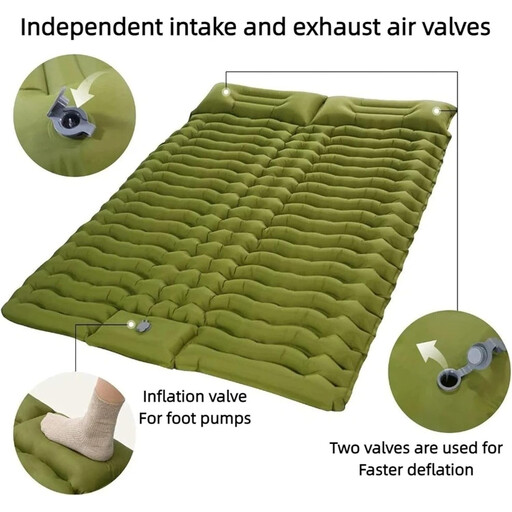
Why This Fits Their Persona: Designed for couples, families and car campers who prioritise a wide shared sleeping surface over minimum pack weight.
The listing provides both inflated and packed measurements, helping buyers judge whether a 1.7 kg double mat suits their transport method.
Measures 200 x 140 cm when inflated; includes a built-in foot pump and packs to approximately 29 x 16 x 16 cm.
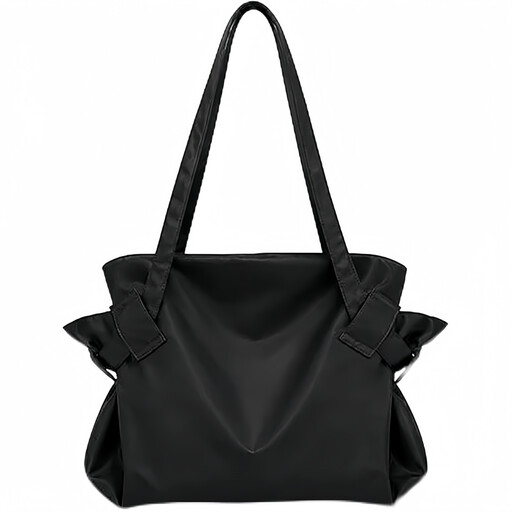
Why This Fits Their Persona: A practical choice for day trips, beach visits, festivals and picnics where reducing separate bags matters.
Its stated 100 cm round mat size and 30 x 20 cm folded size make the space-saving trade-off easier to assess.
Combines a tote and ground mat; high-density waterproof material is described as suitable for spills, sand and light rain.
A few smaller items can solve common campsite problems:
We have compiled a complete, real-time list of products that fully satisfy these strict selection criteria and UK safety regulations.
Start with shelter, sleeping equipment, lighting, food storage and weather-appropriate clothing. Portable outdoor gear such as a compressed towel, compact storage box and reliable mat can be added according to the length and style of your trips.
Clean the surface, allow it to dry fully and store it loosely or according to the product instructions. Keep it away from sharp objects, prolonged direct sunlight and excessive heat. Check valves before each trip and carry a repair kit where appropriate.
Its running cost depends on how it is recharged and how often it is used. Mains charging is convenient, while compatible solar charging may help during longer trips. Estimate your needs by comparing the device’s wattage with the power station’s usable capacity, and remember that conversion losses mean the listed Wh figure is not the exact runtime for every appliance.