
24/7 全天候客户支持

免费退货

当日/次日达

品质保障

开启新人专享福利: 全场免邮 | 低至 2 折 | 免费试用 30 天 JoyPlus 会员
下载 Joybuy
Buying outdoor camping and hiking gear can look straightforward until a product fails in persistent rain, a backpack becomes uncomfortable after several miles, or a camping stove proves difficult to use in the wind. Marketing often highlights one impressive figure while leaving out the specifications that matter during a real day on the trail.
Whether you are preparing for a weekend campsite, a multi-day trek or an alpine route, focus on how each item matches your conditions, carrying needs and experience level.
A label alone does not explain how an item performs. For tents and waterproof hiking backpacks, check the fabric coating, seam construction, rain cover and design of openings. A waterproof rating expressed in millimetres indicates resistance to water pressure, but it does not guarantee protection against every form of prolonged exposure.
For UK use, also consider wind-driven rain, wet ground and condensation. A tent with breathable mesh and properly tensioned guy lines may be more practical than one that simply lists a high water-resistance figure.
A larger hiking backpack is not automatically more useful. An oversized pack can encourage unnecessary packing and become awkward on narrow paths. Conversely, a small pack may leave essential clothing, food or safety equipment exposed externally.
Check litre capacity, torso length, hip-belt adjustment and stated load range. The correct fit transfers weight towards the hips and keeps the pack stable when scrambling, cycling or walking over uneven ground.
Lightweight outdoor gear can reduce fatigue, but thin fabrics and compact components may need more careful handling. Look at the material, packed dimensions, repair requirements and intended season. An ultralight backpacking tent designed for three-season use should not be treated as a winter shelter, while a compact stove still needs safe ventilation and a compatible fuel canister.
For short walks, an everyday or snow sports backpack between approximately 18 and 25 litres may provide space for spare layers, water and snacks. A 40-litre trekking backpack is more suitable for multi-day packing, although the actual useful load depends on the frame and harness.
Measure your torso from the prominent bone at the base of the neck to the top of the hip bones. Also check the hip-belt range. Features such as a ventilated back panel, chest strap, compression straps and accessible side pockets can improve handling, but only when the pack fits your body.
A two-person tent should be judged by its packed weight, packed size, floor dimensions and season rating, not just its sleeping capacity. The Mobi Garden YADEEN UL2, for example, weighs approximately 1.18kg, packs to 48 × 11 × 11cm and uses a PU2000mm-coated flysheet with taped floor seams.
Ventilation is equally important in the UK. Mesh inner panels, two doors and adjustable vents can reduce condensation. Always dry a tent fully before storage, and never use a camping stove or naked flame inside it.
A camping stove’s wattage gives an indication of heat output, but cooking speed also depends on wind, cookware and fuel. The BRS TS19 produces 1900W and is listed to boil 1 litre of water in around 3 minutes under stated conditions.
Check whether the stove accepts the fuel available for your trip. This model is compatible with butane and propane gas, requires an external ignition source and must only be used outdoors in a well-ventilated area. Inspect connections for leaks before every use and never leave a lit stove unattended.
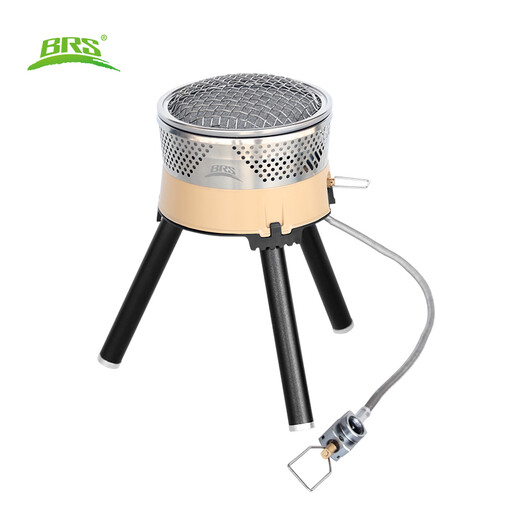
Why This Fits Their Persona: A compact option for campers and hikers who need hot drinks or simple meals without carrying bulky cooking equipment around UK campsites.
Its fuel compatibility and stated output are clearly specified, while the external ignition requirement reminds buyers to pack a suitable lighter.
1900W output; 0.425kg weight; storage size of ϕ105 × 85mm; compatible with butane and propane gas.
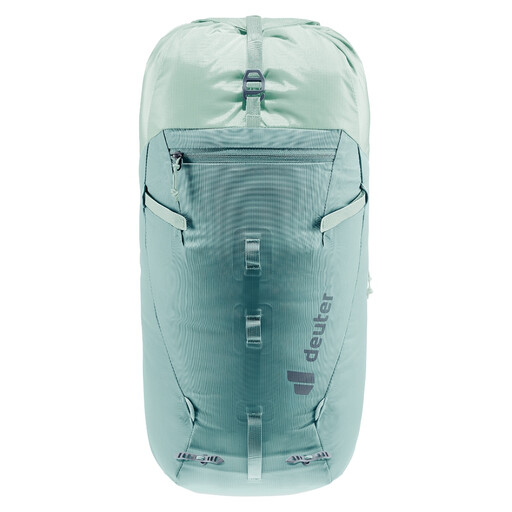
Why This Fits Their Persona: Designed for women undertaking technical approaches or day-long mountain routes where a closer fit and organised gear access are important.
The women-specific back system, adjustable shoulder straps and hip belt address the common problem of buying by capacity alone.
22-litre capacity; 420D nylon fabric; ice-axe loops and trekking-pole holders; integrated rain cover.
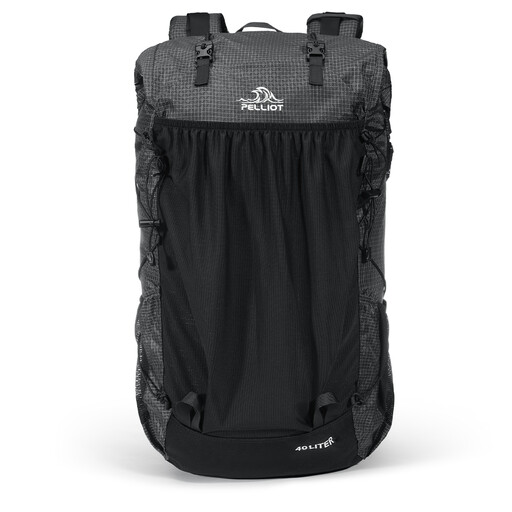
Why This Fits Their Persona: Suitable for walkers carrying clothing, food and camping equipment for roughly two- to three-day treks.
The listed torso and waist measurements make fit easier to assess, while the alloy frame helps distinguish it from an unstructured large daypack.
40-litre capacity; approximate 1.06kg weight; adjustable S/M and L/XL sizing; multiple gear attachment points.
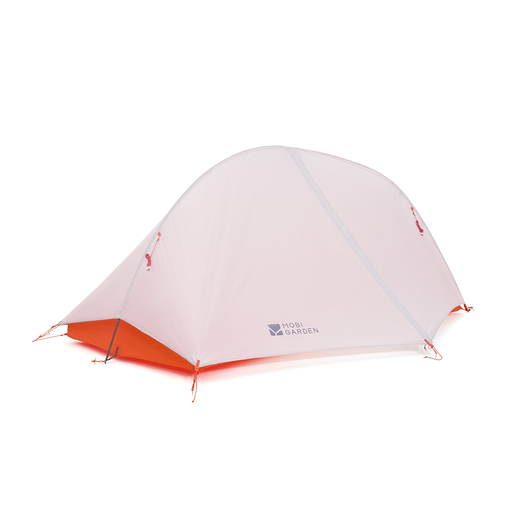
Why This Fits Their Persona: A practical match for two-person backpacking trips where a smaller pack footprint and low shelter weight matter.
Its three-season rating sets a clear boundary: it is not presented as a winter or extreme-storm shelter.
Approx. 1.18kg net weight; 20D ripstop nylon; two doors; aluminium poles; PU2000mm waterproof rating.
We have compiled a complete, real-time list of products that fully satisfy these strict selection criteria and UK safety regulations.
Start with weather-appropriate layers, a waterproof outer layer, water, food, navigation equipment, a charged phone or emergency device, first-aid supplies and a headtorch. Add a waterproof hiking backpack or pack cover, even when the forecast appears settled. For overnight trips, include a suitable sleeping system, tent, cooking equipment and spare dry clothing.
Lifespan depends on frequency of use, storage and exposure. Dry tents and rain ponchos before storing, clean backpacks with a damp cloth and inspect stove connections and fabrics before each trip. Lightweight materials can last well when protected from sharp ground, excessive abrasion and prolonged direct sunlight.
It can be worthwhile for long-distance hikers, cyclists and mountaineers who carry equipment for many hours. However, compare the weight saving with capacity, fabric strength, repairability and season suitability. A slightly heavier item may offer more useful space or structure for your route, making it more practical overall.