
24/7 全天候客户支持

免费退货

当日/次日达

品质保障

开启新人专享福利: 全场免邮 | 低至 2 折 | 免费试用 30 天 JoyPlus 会员
下载 Joybuy
Outdoor garden planters can transform a patio, balcony, entranceway or border, but an attractive finish alone does not guarantee a practical purchase. The wrong planter may become unstable in wind, hold too much rainwater, restrict root growth or demand more maintenance than expected.
This guide from the Joybuy Product Recommendation Officer focuses on the details that matter before you buy, including material, dimensions, drainage, planting suitability and day-to-day handling.
A tall or decorative pot may look substantial while offering limited usable capacity. Check the internal planting depth and width, not just the external dimensions. Shrubs, small ornamental trees and deep-rooted plants generally need more soil volume than annual flowers or herbs.
For narrow spaces, a garden trough planter can provide useful planting length without taking up the footprint of a large round pot. However, its depth still needs to suit the plants you intend to grow.
Real timber can swell, warp, split or rot when repeatedly exposed to wet UK weather. A wooden trough planter may need suitable preservative or sealant and should be checked regularly, particularly around joints and the base.
Recycled plastic planters with a wood-effect finish offer a different maintenance profile. They can provide a timber-inspired appearance without the same need for routine wood treatment. Nevertheless, drainage openings, stability and UV resistance still need checking before purchase.
A lightweight planter is easier to move, but once filled with compost and watered, it can still become heavy. On a balcony, decking area or raised platform, consider the total load and place the planter on a stable, level surface.
Tall planters and models with trellises also have a larger wind profile. Position them securely, especially where climbing plants may add weight and resistance to strong gusts.
Recycled plastic is useful for gardeners who want lightweight planters that are easier to reposition for seasonal displays or changing sunlight. It does not absorb moisture in the same way as untreated timber and can be suitable for year-round outdoor use when the product is specified as weather-resistant.
Wooden planters offer natural texture and can be painted or varnished, but they require more ongoing care. For example, the Outsunny pine planter includes a solid wood construction and should be treated with an appropriate preservative or sealant.
Match the shape to the location:
Always compare the stated dimensions with the available space, including room for watering, cleaning and access around the planter.
Healthy roots need excess water to escape. Before filling a planter, check whether it has drainage holes or a drainage design suitable for outdoor use. If the planter is used indoors, add a liner or saucer where appropriate to protect floors and furniture.
Use compost suited to the plant type and avoid placing moisture-loving plants in a container that dries quickly or shallow-rooted flowers in a very deep vessel without suitable filling. Planters for flowers and herbs often work well in troughs, while shrubs may require deeper barrel or round designs.
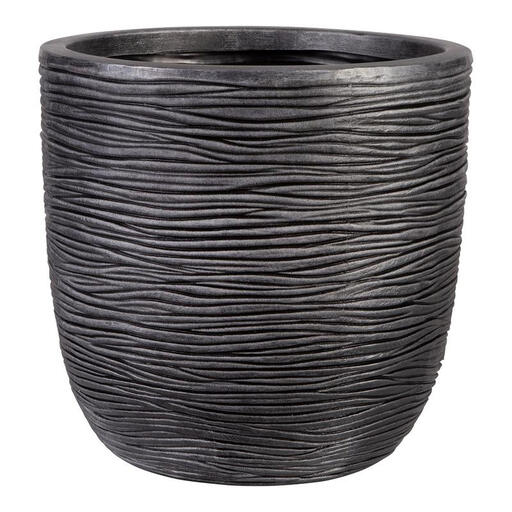
Why This Fits Their Persona: A compact choice for first-time container gardeners, small patios and front-door displays where floor space is limited.
Its stated 35cm diameter and 34cm height make the scale easier to judge than a planter selected from photographs alone. Recycled plastic avoids routine timber treatment.
Oakwood-effect styling, lightweight recycled plastic construction and suitability for flowers, herbs and decorative planting.
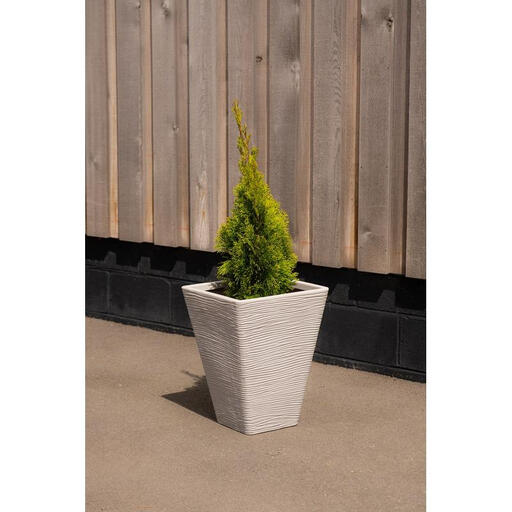
Why This Fits Their Persona: Suitable for shoppers creating a coordinated patio, entranceway or conservatory display with a neutral, stone-inspired finish.
The stated 40cm width and 52cm height provide clearer placement information, while recycled plastic avoids the handling difficulty associated with heavy stone.
Stone-effect appearance, lightweight construction and stated resistance to weather, UV exposure and frost damage.
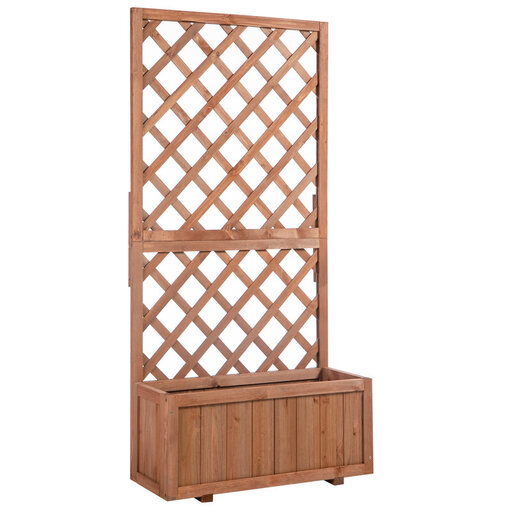
Why This Fits Their Persona: Designed for gardeners who need a larger planting bed for herbs, flowers, vegetables or climbing plants.
The 45L capacity and stated dimensions make planting space explicit. Buyers should also plan for assembly, wood treatment and secure positioning of the trellis.
Solid wood construction, 45L volume and a topped trellis for vertical planting or decorative support.
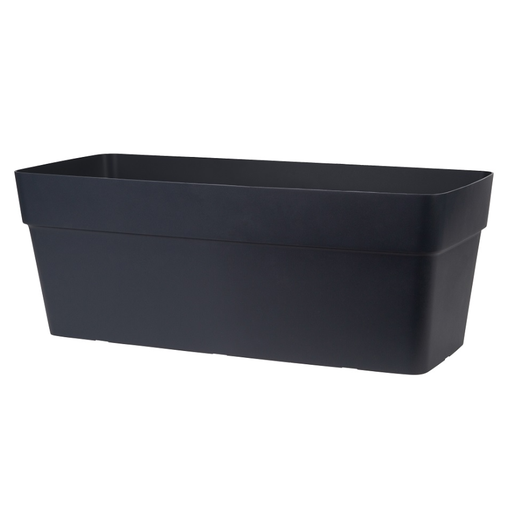
Why This Fits Their Persona: A practical option for balconies, narrow patios, pathways and windowsill arrangements where a long, shallow footprint is useful.
Its stated 60cm length, 25cm depth and 45L capacity help buyers assess both space and compost requirements before ordering.
Charcoal colour, recycled plastic construction and a long rectangular planting area for herbs, flowers and trailing plants.
We have compiled a complete, real-time list of products that fully satisfy these strict selection criteria and UK safety regulations.
Lightweight recycled plastic planters are often easier to handle than stone or heavily built timber containers. Choose a size that fits the balcony safely, check the filled weight and ensure water cannot drain onto neighbouring properties or shared areas.
Lifespan depends on material, exposure, installation and maintenance. Recycled plastic models are not vulnerable to timber rot, while wooden planters require periodic treatment and inspection. Frost, standing water, impact and high winds can affect any planter, so follow the product care instructions.
Most outdoor plants benefit from drainage to reduce waterlogging. Check the product details before buying and use a liner or saucer for indoor displays. Plants with different watering needs should not automatically be placed together just because they fit the same container.