
24/7 Customer Support

Free returns

Same-day & Next-day Delivery

Quality Guaranteed

Unlock Your Welcome Offers: FREE Delivery | Up to 80% OFF | Free 30-day JoyPlus trial
Download the APP
From the misty peaks of the Lake District to the rugged coastline of Cornwall, the UK offers a stunning backdrop for adventure. But enjoying it to the fullest requires the right equipment. Choosing new outdoor gear can feel overwhelming, with a flood of technical terms and marketing promises. As your Joybuy Product Recommendation Officer, my role is to help you navigate this landscape and find gear that truly serves your needs, without the costly missteps.
Many find their shiny new equipment fails them when it matters most. This often stems from a few common purchasing pitfalls. Let's look at what to watch out for.
To avoid these traps, focus on a few core parameters. Understanding these will empower you to select reliable hiking equipment and camping essentials that are fit for purpose.
When you see a rating like PU2000mm on a lightweight tent or waterproof jacket, it refers to its hydrostatic head. This is a standardised measure of how much water pressure the fabric can withstand before it starts to leak.
The material of your gear, particularly tents and backpacks, dictates its longevity. The "D" in fabric specifications like 20D or 68D stands for Denier, a measure of the fibre's thickness.
Beyond materials, look for functional design in your gear for hiking and camping. For a hiking backpack, this means adjustable straps, a breathable back panel and accessible pockets. For outdoor clothing, it means articulated knees in trousers for freedom of movement and quick-drying fabrics that manage moisture. These features are not marketing gimmicks; they are essential for comfort and performance.
To illustrate how these principles apply, here are a few items matched to different types of outdoor enthusiasts.
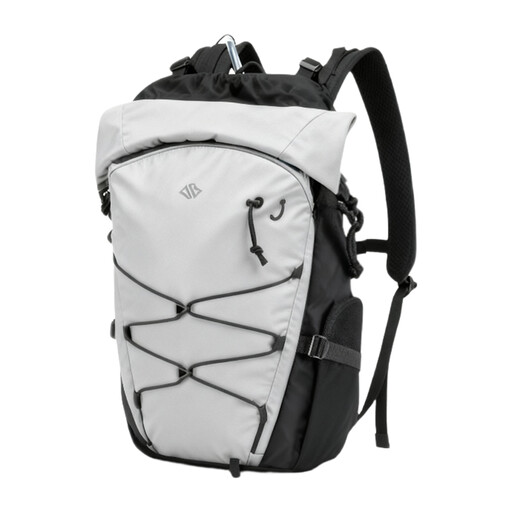
Why This Fits Their Persona: Ideal for day hikes in the Peak District or a walk along the South Downs Way. The 25L capacity is ample for a waterproof jacket, lunch and essentials, without being bulky.
This backpack avoids the "one-size-fits-all" trap by focusing on functional design. The breathable back support system directly addresses comfort, a crucial factor often overlooked in entry-level packs.
Features an ergonomic back panel to improve comfort and reduce sweating during long walks. Its 25L size is versatile for both trail and daily use.
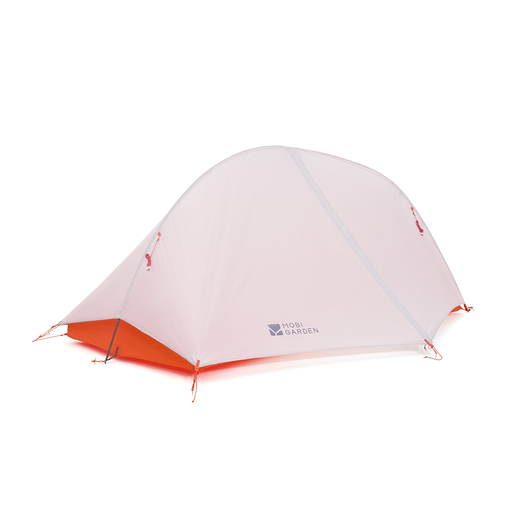
Why This Fits Their Persona: For those tackling multi-day routes like the West Highland Way, where pack weight is critical. This tent is designed for long-distance backpacking, balancing low weight with reliable weather protection.
It sidesteps the "ultralight trap" by using a quality 20D ripstop nylon with a silicone treatment. This provides a good balance of low weight and water repellency without being excessively fragile.
Weighs approximately 1.18 kg, making it a strong candidate for ultralight trekking. The PU2000mm waterproof rating is suitable for 3-season UK conditions.
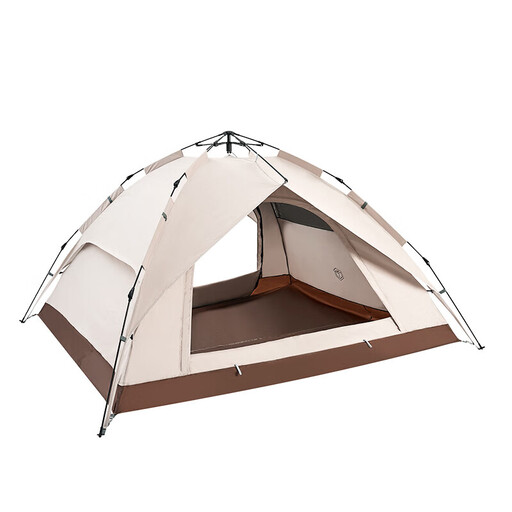
Why This Fits Their Persona: Perfect for campsite holidays in the New Forest or a weekend festival. This tent prioritises space and ease of setup over minimal weight, making it ideal for families or small groups.
It counters the "waterproof myth" with a clear PU3000mm water column rating, offering reliable protection against heavy rain. The dual-layer design also helps manage condensation, a common issue in larger tents.
Features an automatic pop-up mechanism for quick and simple setup. The spacious interior accommodates 3-4 people, making it a practical choice for group camping.
We have compiled a complete, real-time list of products that fully satisfy these strict selection criteria and UK safety regulations.
To maintain its performance, always clean your waterproof items according to the manufacturer's instructions, typically with a specialised technical wash. Never use standard detergents or fabric softeners, as they can clog the pores of the waterproof membrane and strip away the water-repellent coating. Ensure the gear is completely dry before storing it to prevent mould and fabric degradation.
A PU2000mm rating means the fabric can withstand a 2,000 mm column of water before leaking. For practical purposes in the UK, this is sufficient for most 3-season conditions, protecting you from the typical persistent rain you might encounter while hiking or camping. It represents a good balance between effective weather protection and not overpaying for expedition-level specifications you may not need.
Carbon fibre trekking poles are significantly lighter than their aluminium counterparts. This reduces swing weight, which can lessen fatigue in your arms and shoulders over a long day of hiking. They are also very strong and good at dampening vibrations. However, they can be more prone to shattering under a sharp, direct impact, whereas aluminium poles tend to bend. For dedicated long-distance hikers, the weight savings and reduced fatigue can be a worthwhile investment. For casual walkers, durable aluminium poles are often a more cost-effective choice.