
24/7 全天候客户支持

免费退货

当日/次日达

品质保障

开启新人专享福利: 全场免邮 | 低至 2 折 | 免费试用 30 天 JoyPlus 会员
下载 Joybuy
Wet paths, changeable forecasts and overfilled rucksacks can quickly expose weaknesses in outdoor equipment. Whether you are planning a Lake District weekend, a Scottish mountain route, a family campsite or a long cycle ride, choosing suitable outdoor hiking and camping gear requires more than comparing photos and promotional wording.
Three common buying traps deserve attention:
The right choice depends on your activity, weather exposure, body measurements and the practical details that are often left out of headline marketing.
For British conditions, look beyond the word “waterproof”. Check whether the product description identifies:
A waterproof hiking poncho can offer useful coverage and freedom of movement, particularly when walking with a daypack. However, it may not provide the same close fit as a technical shell in strong wind. A poncho that converts into a tarp can also be useful at a rest stop, but you should confirm how it is pitched and whether separate poles, pegs or guylines are required.
For tents, compare the flysheet and groundsheet specifications separately. The Mobi Garden shelter listed below states PU2000mm water resistance, taped floor seams and a UPF50+ sun-protection rating. These figures are useful points of comparison, but correct pitching, site selection and maintenance still affect performance.
A 22-litre pack and a 28-litre pack may look similar, but the extra capacity can make a difference when carrying waterproof layers, food, hydration, spare gloves and technical equipment.
When choosing a mountaineering backpack, assess:
A women’s hiking backpack should not be selected solely by colour or product name. Look for shoulder straps, hip belts and back systems shaped or adjustable for the wearer, then measure your torso according to the manufacturer’s instructions. The Deuter Guide 22L SL, for example, provides women-specific back, shoulder and hip-belt features and lists torso and hip-belt measurements.
Small trekking and camping accessories can improve organisation, but their intended use matters. An S-shaped clip may help secure keys or lightweight items to a belt or pack. A locking outdoor carabiner may be convenient for attaching a bottle or accessory. Neither should automatically be treated as climbing hardware.
Likewise, an Apple Watch Alpine Loop is a wearable accessory rather than safety equipment. Check the case size and attachment compatibility before purchase. For sun-exposed routes, a UPF 50+ sun protection mask can provide face coverage, but it should not replace sunglasses, sunscreen or suitable clothing.
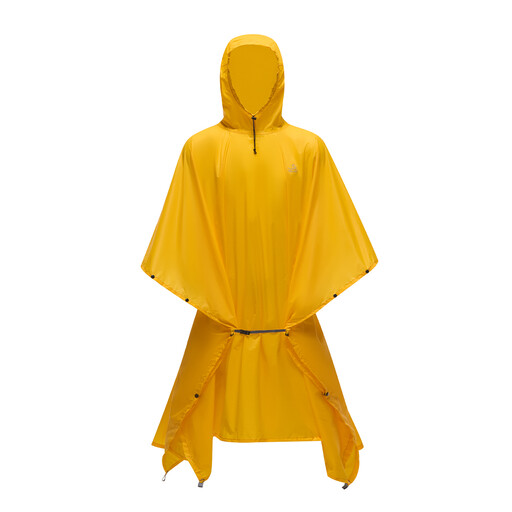
Why This Fits Their Persona: A practical option for walkers, cyclists and occasional campers who want one lightweight layer for changing UK weather without immediately investing in several separate items.
Its 3-in-1 tarp design helps address the trap of buying a rain layer that has only one use. Check the size and pitching requirements before ordering.
Lightweight format; available in L and XL listings; designed for trekking, mountaineering and cycling use.
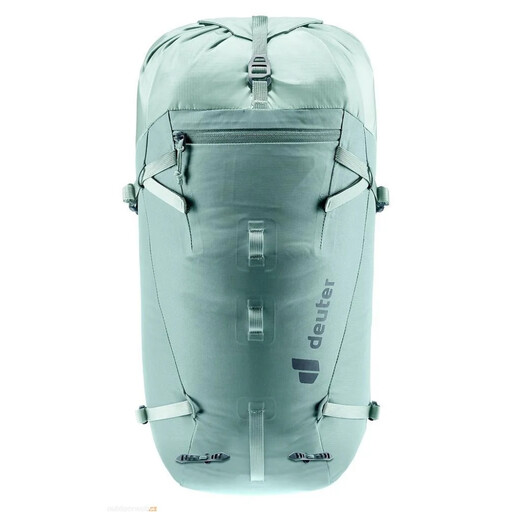
Why This Fits Their Persona: Suitable for users carrying layered clothing and climbing equipment on demanding approaches, multi-hour walks and technical mountain routes.
The listed torso adjustment, hip-belt sizing and dedicated gear points make fit and organisation easier to verify than relying on a generic “one size” description.
28-litre capacity; 420D nylon construction; hydration sleeve, rain cover, ice axe loops and trekking pole holders.
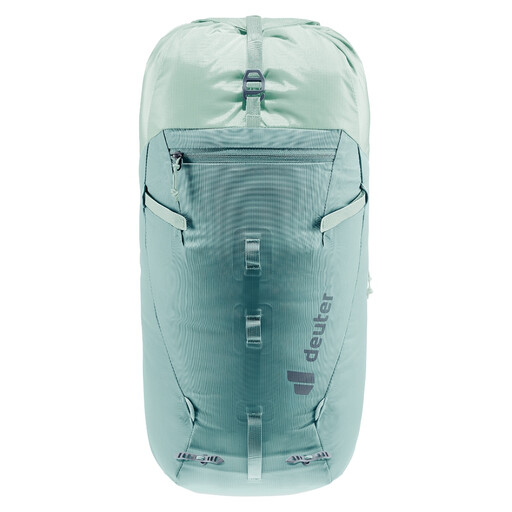
Why This Fits Their Persona: A women-specific pack for climbers and mountaineers who prioritise a close fit, ventilation and organised access on steep routes.
The SL fit and stated torso and hip-belt ranges help reduce the risk of selecting a technical pack by appearance alone.
22-litre capacity; women-specific Aircomfort Sensic back system; integrated rain cover and gear attachment points.
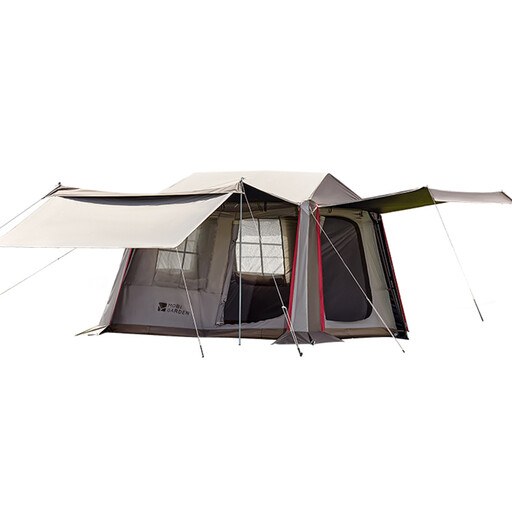
Why This Fits Their Persona: Designed for family and park camping, this shelter suits users who value living space, ventilation and a quick-setup format.
The published floor dimensions, capacity, packed size and setup instructions make it easier to assess transport and campsite suitability before purchase.
2–4-person capacity; 5.9 m² tent area; auto-opening aluminium frame; side canopies and mesh windows.
Other useful additions include the listed PELLIOT outdoor carabiner clip, S-shaped backpack attachment clip and Beneunder UPF 50+ sun protection mask. Apple Watch users should also check the 49mm compatibility of the Apple Watch Alpine Loop before ordering.
We have compiled a complete, real-time list of products that fully satisfy these strict selection criteria and UK safety regulations.
Start with footwear suited to the terrain, a correctly fitted backpack, waterproof outer layers, food, water, navigation tools, a first-aid kit and a charged phone or emergency device. Add seasonal items such as gloves, warm layers and sun protection. A small clip can organise accessories, but it should not be used for safety-critical attachment.
Compare the tent’s packed dimensions and net weight with your boot space, then allow room for pegs, sleeping equipment and cooking supplies. A larger tent may offer more comfort but can be slower to transport and dry. Before a first trip, practise setup at home and inspect poles, buckles and seams.
Clean mud and grit after each trip, dry fabric fully away from direct heat and follow the care instructions. Do not machine-wash products unless the manufacturer permits it. Store tents and rainwear dry, avoid unnecessary overloading of packs, and retire clips or straps if they show cracks, deformation or damaged stitching.