
24/7 全天候客户支持

免费退货

当日/次日达

品质保障

开启新人专享福利: 全场免邮 | 低至 2 折 | 免费试用 30 天 JoyPlus 会员
下载 Joybuy
A weekend walk in the Peak District, a muddy family trail or a windy coastal cycle can expose weaknesses that are easy to miss in product photographs. Choosing outdoor hiking gear based only on appearance or a low price may leave you with wet feet, uncomfortable layers or equipment that is difficult to use when conditions change.
The most common purchasing traps are:
For waterproof outdoor clothing, look for clear information about the construction rather than relying on broad phrases such as “rainproof”. A waterproof membrane, covered seams and protected zips can help reduce water entry. If a hydrostatic-head rating is provided, it indicates how much water pressure the fabric can withstand in laboratory conditions; a higher figure generally indicates greater resistance, although garment construction and wear also matter.
Breathability refers to how readily moisture vapour can escape. This is particularly relevant for hill walking, trail running and cycling, where perspiration can make an apparently waterproof jacket feel clammy. A hard shell jacket is normally intended as an outer protective layer, so check whether it has enough room for a fleece or insulated mid-layer.
A rain poncho offers a different arrangement. It can cover part of a rucksack and is quick to put on, but it may flap in strong wind and can restrict arm movement when cycling or scrambling.
When comparing hiking shoes and trail running shoes, check three practical points:
The product details should also clarify whether a shoe is waterproof, water-resistant or simply made for outdoor use. Do not assume that a hiking-style appearance guarantees protection from standing water.
For trekking poles, inspect the locking system, packed length and maximum extension. The Mobi Garden pole listed below uses a three-section external flip-lock system, extends to 135 cm, packs to 64 cm and weighs approximately 210 g per pole. Its supplied tungsten-carbide tip and rubber cover are suited to different surfaces, but locks should always be checked before use.
For clothing, adjustable cuffs, drawstrings and reflective elements can make a measurable difference in everyday use. Reflective details are useful in low light, but they do not replace lights or high-visibility equipment when cycling on roads.
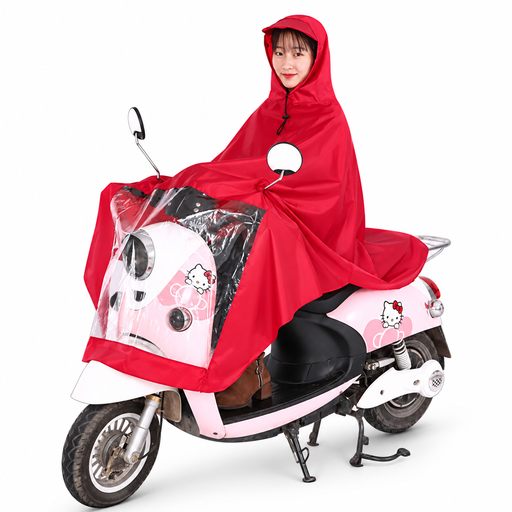
Why This Fits Their Persona: A practical option for occasional walkers, families and festival or travel use where compact storage matters.
It is designed to be reusable and supplied with a storage bag, making it easier to carry for unpredictable showers rather than leaving bulky waterproof clothing at home.
Hood, pockets, reusable design and storage bag; suitable for hiking, fishing, cycling and travel.
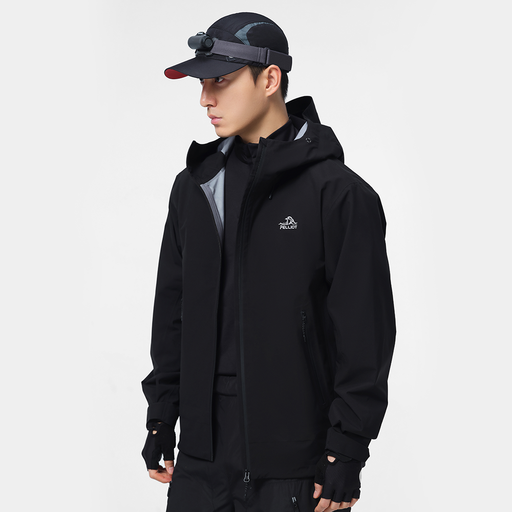
Why This Fits Their Persona: Suits regular hill walkers and outdoor users who want a technical outer layer for wet and windy UK conditions.
The listing specifies a waterproof laminate, wind-resistant construction, breathable lining and abrasion-resistant fabric, rather than relying only on a generic rainwear label.
Hard shell construction, moisture-wicking lining and listed size measurements from XS to XXL.
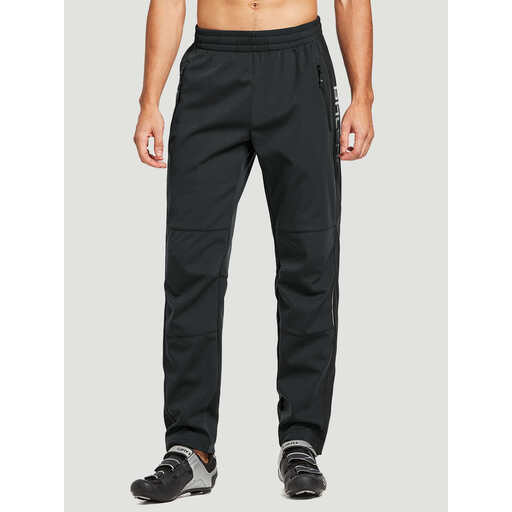
Why This Fits Their Persona: Designed for people combining hiking, cycling, climbing or skiing with regular cold-weather outdoor use.
The design addresses cold-weather fit with an elastic waistband, inner drawstring and adjustable ankle zips for wearing over boots.
Fleece lining, reinforced knee stitching, two zipped front pockets and reflective elements.
We have compiled a complete, real-time list of products that fully satisfy these strict selection criteria and UK safety regulations.
Alongside clothing and footwear, consider the route and activity:
Use several manageable layers: a base layer, a warm mid-layer such as fleece, and a waterproof outer shell. Add waterproof trousers or a poncho when rain is likely. Check the forecast, wind speed and route exposure before setting out.
They can suit shorter, faster routes and well-maintained trails, particularly when a lighter, flexible shoe is preferred. For rocky terrain, heavy packs or longer walks, compare the tread, foot support and protection carefully. Fit remains more important than the label.
Follow the care instructions, remove mud promptly and dry clothing away from direct high heat unless the manufacturer permits otherwise. Reapply a suitable durable water-repellent treatment when required, inspect zips and seams, and replace damaged equipment before relying on it in poor weather.