
24/7 全天候客户支持

免费退货

当日/次日达

品质保障

开启新人专享福利: 全场免邮 | 低至 2 折 | 免费试用 30 天 JoyPlus 会员
下载 Joybuy
By Joybuy Product Recommendation Officer
Choosing outdoor hiking gear for British conditions involves more than picking products labelled “waterproof”, “durable” or “all-terrain”. Muddy paths, wet grass, changeable temperatures and strong coastal winds can expose weaknesses quickly. The right equipment should match your route, carrying needs and expected weather rather than simply carrying the longest feature list.
A waterproof hiking boot may help keep out rain and shallow puddles, but it does not necessarily remain dry during prolonged immersion or when water enters over the ankle. Similarly, a waterproof outdoor hat can protect against light showers without replacing a proper rain layer.
Check the product description for the material, membrane, seams, closure design and intended use. For larger items such as a hiking rain poncho, look for coverage over both your body and backpack.
A large trekking backpack can carry more camping gear, but additional capacity often encourages overpacking. A pack that is too long, too short or poorly adjusted may shift weight onto your shoulders rather than your hips.
Look for adjustable torso and waist measurements, load guidance, breathable back panels and compression straps. For day walks, a compact 10–25-litre pack may be more practical than mountaineering backpacks designed for technical equipment.
A UPF 50+ sun hat can reduce ultraviolet exposure to covered areas, but it does not protect uncovered skin or replace sunscreen and suitable clothing. Brim width, neck coverage, ventilation and wind security also affect comfort.
In the UK, a hat with a drawcord or chin strap is useful on exposed ridges, beaches and open moorland. For warmer walks, mesh panels and moisture-wicking sweatbands can help reduce heat and perspiration.
For footwear, examine whether the boot uses a waterproof membrane, a gusseted tongue and a protective upper. The PELLIOT hiking boots listed below combine an abrasion-resistant synthetic upper, protective toe cap, breathable waterproof lining and high-traction rubber sole.
Remember that breathable does not mean completely sweat-free. Socks, walking pace and temperature all affect moisture inside a boot. Allow boots to air dry naturally and avoid direct heat, which can damage adhesives and materials.
For clothing and headwear, check whether “waterproof” refers to the main fabric or the complete construction. A foldable hat made from waterproof nylon may be convenient for showers, while a rain poncho offers more useful coverage during sustained rain.
Hiking boots should offer a sole pattern suited to the routes you use. Deep, widely spaced lugs can help shed mud, while a stable sole and protective toe area are useful on rocky paths. No tread can guarantee grip on every wet surface, so walking technique remains important.
For low-level trails, flexible footwear may feel more comfortable. Steeper, uneven or scree-covered terrain generally calls for more ankle support, secure fastening and abrasion resistance.
Use litres as a starting point, not the only selection criterion:
A 40L pack described for 2–3-day treks should still be checked against your own kit weight. Torso measurement, hip-belt range and strap adjustment are particularly important. A hydration sleeve, external attachment points and a rain cover can also improve practicality.
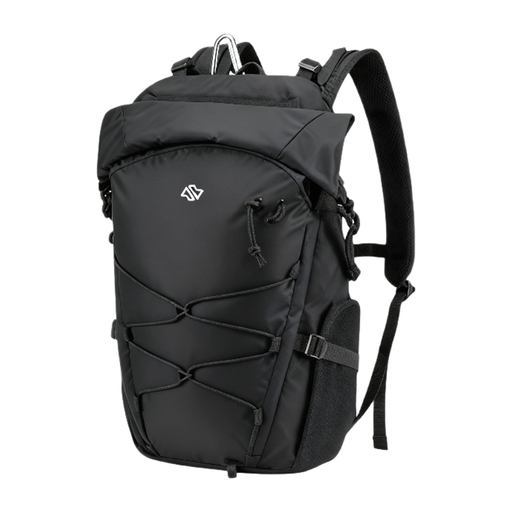
Why This Fits Their Persona: A 25L day pack suits beginners building a compact kit for UK walks, commuting and short travel without carrying unnecessary bulk.
Its stated capacity helps set realistic limits for day-hike essentials rather than encouraging overpacking.
25L capacity; breathable back support is listed for carrying comfort.
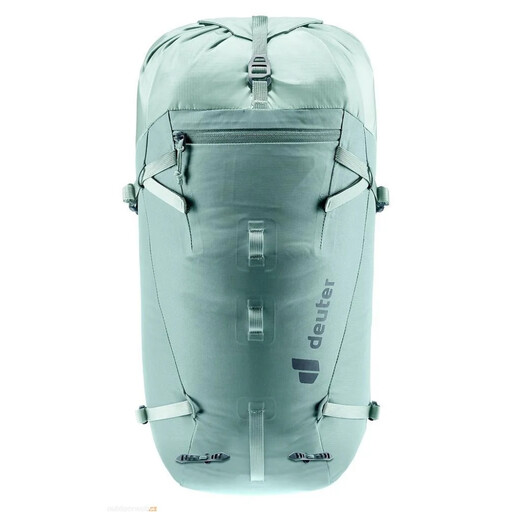
Why This Fits Their Persona: This is suited to walkers and climbers wanting organised storage for technical day routes, spare layers and equipment.
The torso-adjustment system and hip-belt measurements address the common problem of buying a technical pack by appearance alone.
28L main capacity; integrated rain cover, hydration sleeve and ice-axe loops.
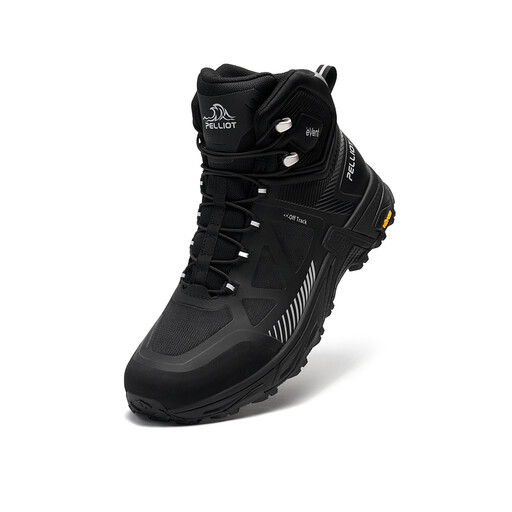
Why This Fits Their Persona: A practical option for hikers covering muddy tracks, wet rock and uneven ground where protection and traction matter.
The listing specifies the membrane, protective toe cap and lugged rubber sole instead of relying only on a general “outdoor” label.
High-traction rubber sole; quick-lace adjustment and abrasion-resistant synthetic upper.
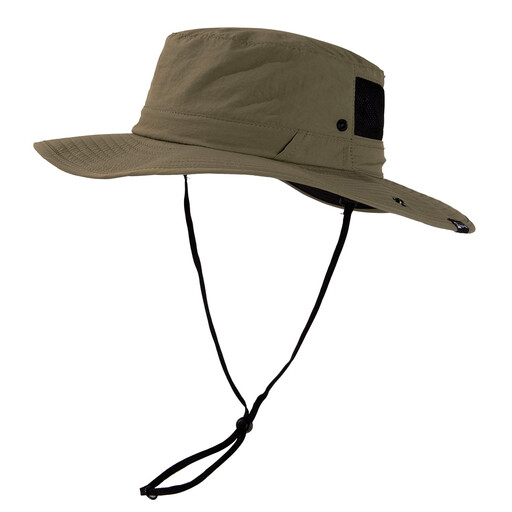
Why This Fits Their Persona: The wide brim and ventilation suit sunny walks, fishing trips and travel where packability and wind security are useful.
The product specifies an 8cm brim, UPF 50+ fabric, mesh side panels and a detachable chin strap.
Listed weight of 89.2g; foldable waterproof nylon construction with multiple size options.
We have compiled a complete, real-time list of products that fully satisfy these strict selection criteria and UK safety regulations.
Cost depends on frequency, terrain and weather exposure. Occasional low-level walkers may prioritise a comfortable day pack, waterproof layer and suitable footwear. Regular hikers may benefit from investing in better-fitting boots and an adjustable backpack, while mountaineering requires more specialised equipment. Compare construction, fit and care requirements rather than price alone.
There is no fixed lifespan. Mileage, terrain, walking style, body weight, storage and cleaning all affect wear. Replace or stop using boots when the tread is noticeably worn, the sole separates, waterproofing deteriorates significantly or the upper no longer supports the foot. Dry them away from radiators and follow the manufacturer’s cleaning instructions.
Carry a waterproof outer layer or hiking rain poncho, spare socks, water, food, a first-aid kit, navigation equipment, a phone or emergency device and an insulating layer. Use dry bags or internal liners for valuables. Even when the forecast looks settled, UK weather can change quickly on exposed routes.