
24/7 Customer Support

Free returns

Same-day & Next-day Delivery

Quality Guaranteed

Unlock Your Welcome Offers: FREE Delivery | Up to 80% OFF | Free 30-day JoyPlus trial
Download the APP
Navigating the world of outdoor jackets can feel like trekking through a dense fog. With endless technical terms and bold marketing claims, it is easy to end up with a coat that either fails you in the first downpour or feels like a personal sauna on a brisk walk. Many shoppers find their expensive new jacket is either not truly waterproof or completely unsuited for their needs.
As the Joybuy Product Recommendation Officer, my role is to help you see through the marketing clutter. Before you spend your hard-earned money, let's look at the common pitfalls that UK buyers face and how to avoid them.
To make an informed choice, you need to understand a few core specifications. These are the numbers and terms that separate a reliable outdoor jacket from a disappointing purchase.
True weather protection goes beyond a simple tag. Look for these two indicators:
This is what prevents that "boil-in-the-bag" feeling. Breathability is measured by the Moisture Vapour Transmission Rate (MVTR), in grams per square metre per 24 hours (g/m?/24h).
Based on these practical criteria, here are a few options from our catalogue matched to specific user needs.
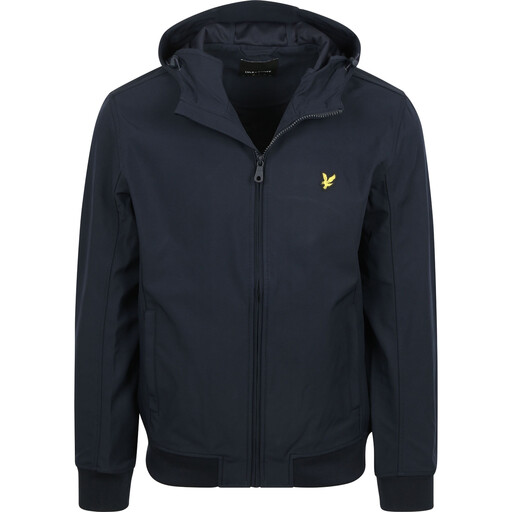
Why This Fits Their Persona: This jacket is ideal for someone who needs a single, stylish piece for the work commute, weekend walks and trips to the pub. Its softshell design provides comfort and freedom of movement for an active lifestyle without the rigidity of a technical hardshell.
It avoids the "one-jacket-fits-all" fallacy by being an excellent, purpose-built softshell. Instead of over-promising on waterproofing, it delivers on breathability and flexibility, which is what this user profile actually needs for daily comfort.
The mesh back and lining provide superior breathability, preventing overheating during a brisk walk or on a crowded train. Its water-resistant outer layer is sufficient for fending off light showers.
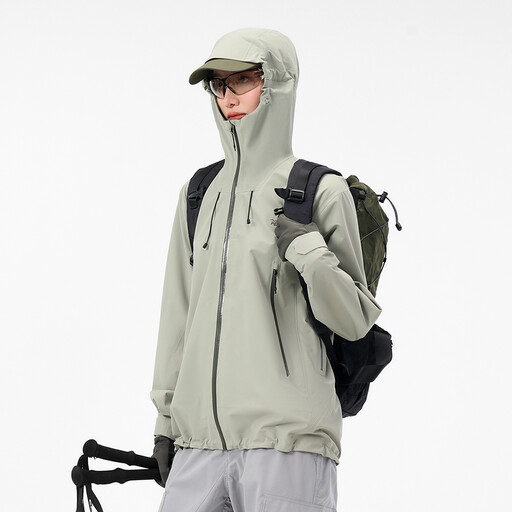
Why This Fits Their Persona: For those who venture into the mountains and face unpredictable weather, performance is non-negotiable. This hardshell is built for challenging environments, from rocky scrambles to sudden downpours on the trail.
It directly counters the "breathability blind spot" with extended underarm zips for rapid ventilation during high-exertion climbs. It also avoids the "waterproof illusion" with its storm-proof construction designed for heavy rain.
The inclusion of a RECCO avalanche rescue reflector is a significant safety feature for backcountry explorers. Its abrasion-resistant fabric ensures durability against rough terrain.
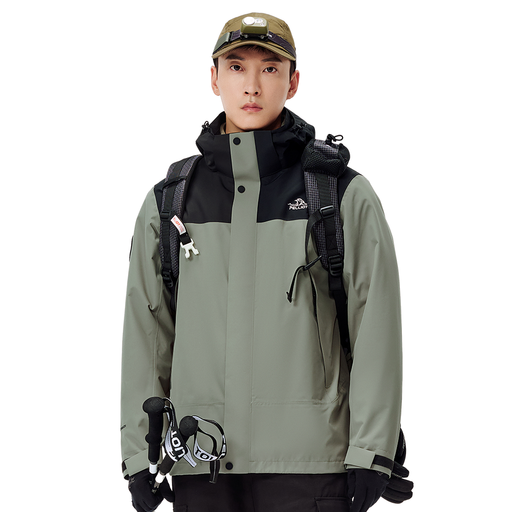
Why This Fits Their Persona: This user wants maximum value and versatility. A 3-in-1 jacket is the perfect solution, providing a tool for every season—from a waterproof shell for summer showers to a fully insulated coat for the depths of winter.
This jacket is the antidote to buying the wrong type. Its modular design allows the user to adapt to the weather, ensuring they always have the right level of protection without needing to own three separate jackets.
The smart 3-in-1 system offers exceptional adaptability. The outer shell features a microporous waterproof membrane, while the tech thermal liner is treated to be anti-static, preventing annoying cling in dry, cold weather.
We have compiled a complete, real-time list of products that fully satisfy these strict selection criteria and UK safety regulations.
To maintain performance, it's important to keep your jacket clean, as dirt and oils can clog the breathable membrane. Always check the label, but generally, you should wash it on a gentle, cool cycle using a specialised technical wash, not standard detergent. Do not use fabric softener. To reactivate the water-repellent coating, you can often tumble dry it on a low heat for 20 minutes or apply a new layer of a durable water repellent (DWR) spray.
The primary difference is the fit. A women's walking coat is typically shaped to be narrower at the shoulders and wider at the hips, offering a more tailored silhouette. A men's hiking jacket usually has a straighter cut with broader shoulders. Feature placement, such as pockets and colour options may also differ, but the core technical functions are the same.
Not necessarily. The most expensive jacket is often the most specialised, designed for extreme conditions. If your primary use is walking the dog and commuting, a high-end mountaineering hardshell would be overly rigid and noisy. The right jacket is one whose features—waterproofing, breathability and durability—are correctly matched to your activities and budget. Focus on finding the right tool for the job you need it to do.