
24/7 Customer Support

Free returns

Same-day & Next-day Delivery

Quality Guaranteed

Unlock Your Welcome Offers: FREE Delivery | Up to 80% OFF | Free 30-day JoyPlus trial
Download the APP
Choosing the right outdoor lights can transform your garden, patio or driveway. Yet, many UK homeowners find their new lights dim, waterlogged or simply not fit for purpose after just one season. The market is filled with appealing claims, but the reality of our damp climate and shorter winter days can quickly expose a product's weaknesses.
As a Joybuy Product Recommendation Officer, my role is to help you navigate these choices. This guide focuses on the common pitfalls to avoid and the key features that truly matter, ensuring you invest in lighting that lasts.
Before you add anything to your basket, be aware of these frequent issues that lead to disappointment:
To make a smart purchase, focus on these core parameters instead of marketing hype.
Your choice of power source dictates both placement flexibility and reliability.
The IP (Ingress Protection) rating is the most reliable indicator of how well a light will stand up to the elements. It consists of two numbers.
Always check for a specific IP rating. A vague "weatherproof" claim is not a guarantee.
Here are a few options from our catalogue, matched to different needs and how they address the common pitfalls.

Why This Fits Their Persona: Ideal for adding a magical, decorative touch to a garden, patio or balcony without wiring. The solar power and automatic on/off function make it a low-maintenance choice for creating ambience for parties or everyday enjoyment.
It directly counters the "Solar Power Gamble" by specifying an advanced solar panel with over 17% conversion efficiency and an 8-14 hour runtime, suggesting better performance in variable UK light conditions.
Features 8 different lighting modes to suit any mood and is described as weatherproof to withstand all seasons, addressing durability concerns.
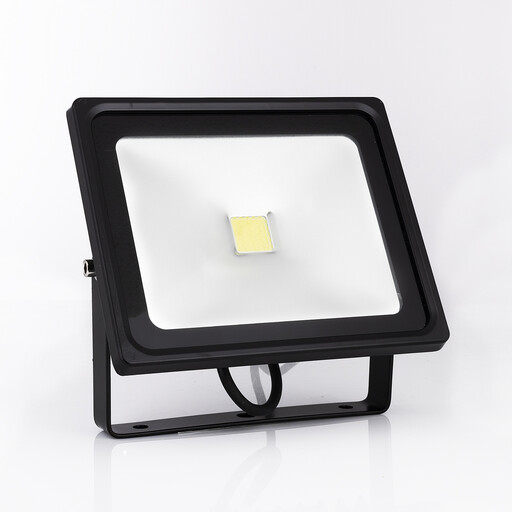
Why This Fits Their Persona: This is for someone who needs powerful, reliable illumination for a large driveway, garden or building perimeter. Its primary function is security and safety, providing bright, consistent light regardless of the weather.
It has a clearly stated IP65 protection rating, which means it is built to withstand rain and dust, avoiding the "Weatherproof Myth." Its mains power ensures it is not subject to the unreliability of solar in winter.
Delivers a high output of 2400 lumens with a wide 110° beam angle, providing broad, even coverage that avoids the "Glare Over Glow" problem by design. It is also energy-efficient for its power.
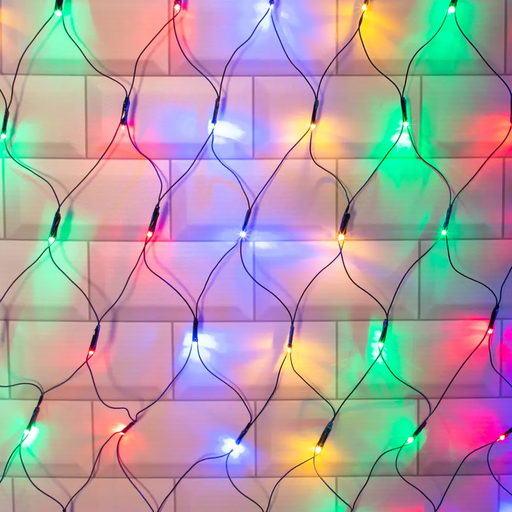
Why This Fits Their Persona: This is for someone who wants quick, hassle-free decoration for Christmas or a party. The net design covers a large area like a window or bush instantly, and being battery-powered means it can be placed anywhere without worrying about cables.
The built-in timer function (8 hours on, 16 hours off) prevents the common pitfall of draining batteries quickly, offering a practical "set-and-forget" solution for the festive season.
Offers 8 different chaser modes for a customisable display. The 1.5m x 1.5m net provides instant, even coverage, which is much faster than arranging a single string light.
We have compiled a complete, real-time list of products that fully satisfy these strict selection criteria and UK safety regulations.
For any light that will be exposed to rain, an IP65 rating is highly recommended. It ensures protection against water jets from all directions, making it suitable for the unpredictable UK weather. For more sheltered spots, like under a deep porch roof, you might get by with IP44, but IP65 provides much better long-term peace of mind.
No, modern LED lights are incredibly energy-efficient. For example, a 30W LED floodlight can produce the same amount of light as an old 200W halogen bulb, using over 80% less electricity. Solar lights have no running costs at all. This efficiency makes them a very cost-effective solution for long-term outdoor illumination.
This depends entirely on the quality of the light. High-quality solar garden lights with large, efficient panels and good batteries can still provide several hours of light even after an overcast winter day. Cheaper models with small panels will struggle and may only stay lit for an hour or two. For reliable winter light, check the product specifications for battery capacity (measured in mAh) and panel efficiency or consider mains power for critical areas.