
24/7 Customer Support

Free returns

Same-day & Next-day Delivery

Quality Guaranteed

Unlock Your Welcome Offers: FREE Delivery | Up to 80% OFF | Free 30-day JoyPlus trial
Download the APP
Whether you're navigating winding country roads on a motorcycle, tackling a steep mountain bike trail or simply enjoying a long hike, the right equipment is fundamental. Investing in quality outdoor sports protective gear isn't just about enhancing performance; it's about safeguarding yourself against the unexpected. This guide is designed to cut through the clutter, offering clear, practical advice to help you select reliable gear for your adventures.
Making an informed decision can feel overwhelming with so many options available. Focusing on a few key criteria will help you identify equipment that offers genuine protection and comfort.
Technical specifications are more than just numbers; they are indicators of safety performance. For eye protection, look for lenses that offer UV400 protection, which blocks 100% of harmful UVA and UVB rays. For activities with a risk of impact, such as cycling, a certification like ANSI Z87.1 indicates the eyewear has met standards for impact resistance.
When it comes to clothing, a UPF (Ultraviolet Protection Factor) rating is crucial. A UPF sun protection jacket with a rating of 50+ blocks over 98% of UV radiation, providing a reliable shield for your skin during prolonged sun exposure.
Protective gear is only effective if you wear it correctly and consistently. Uncomfortable equipment is often left behind. Look for breathable sports clothing made from moisture-wicking fabrics that draw sweat away from the skin, keeping you cool and dry.
Fit is equally important, especially for motorcycle body armour or an impact protection vest. The gear should be snug enough to stay in place during movement or in the event of a fall, but not so tight that it restricts your mobility. Many items of unisex outdoor apparel now feature adjustable straps, elasticated waistbands and flexible materials to accommodate a wide range of body shapes.
Many pieces of modern protective gear are designed for multi-sport use. A high-quality pair of sunglasses suitable for cycling can also be perfect for running or driving. Similarly, some lightweight off-road riding gear can double as effective mountain biking equipment. Choosing versatile items not only provides better value but also reduces the amount of kit you need to own and store.
Based on their features, materials and user-focused design, here are some standout options to consider for your next outdoor activity.
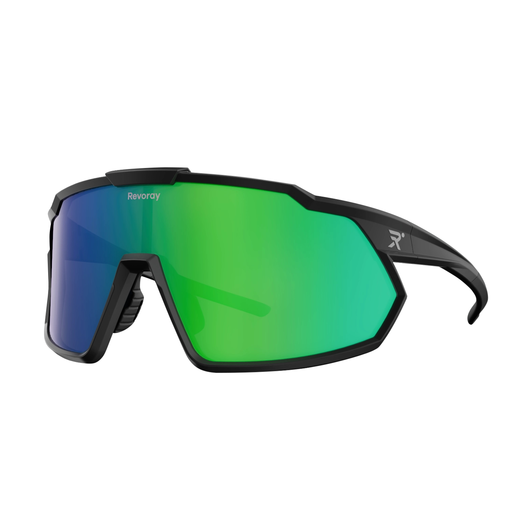
Why It Stands Out: These glasses combine visual clarity with robust protection. The HD TAC Polarised Lenses are designed to filter out harsh glare from roads and other reflective surfaces, while the full UV400 protection shields your eyes from the sun. Their performance is backed by an ANSI Z87.1 impact-resistance certification, making them a reliable choice for fast-paced sports.
Pros:
Who is it for? Ideal for road cyclists, mountain bikers and runners who need dependable eye protection without sacrificing comfort or visual performance.
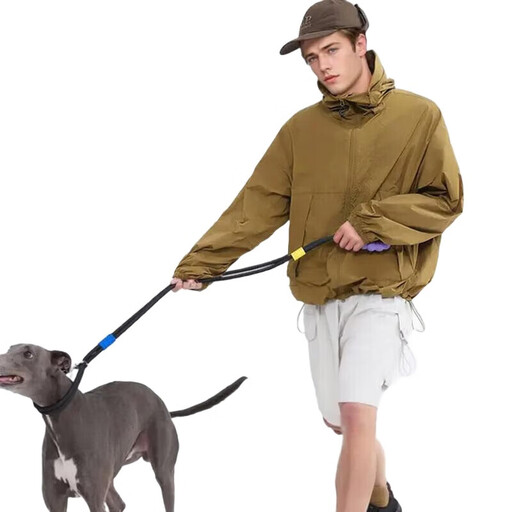
Why It Stands Out: This jacket offers a very high level of sun defence with a stated UPF 170+ rating. The fabric is engineered to be both lightweight and breathable, wicking moisture away to keep you comfortable in warm weather. Its simple, functional design makes it a practical addition to any outdoor wardrobe.
Pros:
Who is it for? Anyone spending extended periods outdoors who prioritises sun safety and comfort, from casual walkers to dedicated anglers.
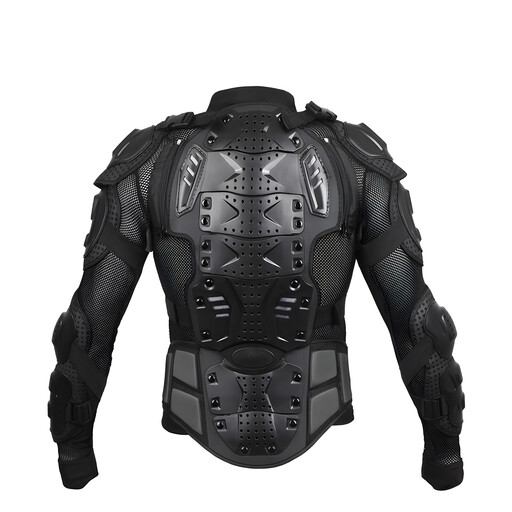
Why It Stands Out: This upper body armour provides comprehensive coverage for vital areas. It features a tough PE outer shell, shock-absorbing EVA foam cushions and a removable segmented back protector. The design focuses on balancing protection with rider mobility, using a breathable mesh fabric and multiple adjustment points to ensure a secure and comfortable fit.
Pros:
Who is it for? Off-road motorcyclists, mountain bikers and skateboarders looking for substantial upper-body impact protection that doesn't severely limit movement.
If the items above aren't quite what you need, or if you're searching for a different style of outerwear for walking or general use, a broader selection may be more suitable.
Explore our full range of men's outdoor coats to find more options.
1. What is the difference between UVA and UVB protection in sunglasses? UVA rays are primarily associated with skin ageing, while UVB rays are the main cause of sunburn. Both can harm your eyes. Eyewear with a UV400 rating is designed to block at least 99% of both UVA and UVB rays, offering comprehensive protection.
2. How do I choose the right size for motorcycle body armour? A proper fit is critical for safety. The armour should be snug, so it doesn't shift during a fall, but not so tight that it restricts breathing or movement. Always refer to the manufacturer's sizing chart and measure your chest, waist and height. It's best worn over a thin base layer rather than directly against the skin.
3. Is a higher UPF rating on a sun protection jacket always better? A UPF rating of 50+ is considered the gold standard for sun-protective clothing, blocking over 98% of UV rays. While a higher number like UPF 170+ indicates an even greater level of protection, the additional benefit becomes marginal. Any garment rated UPF 50+ provides an excellent level of defence for most outdoor activities.