
24/7 Customer Support

Free returns

Same-day & Next-day Delivery

Quality Guaranteed

Unlock Your Welcome Offers: FREE Delivery | Up to 80% OFF | Free 30-day JoyPlus trial
Download the APP
Choosing outdoor toys for children can look simple until you compare age labels, materials, batteries, dimensions and safety warnings. A low-cost toy may become unusable if it is difficult to carry, unsuitable for the intended surface or expensive to keep running. The right choice depends less on flashy packaging and more on how, where and how often a child will use it.
“Suitable for children” does not mean suitable for every child. A scooter designed for ages 6 and above may still require balance, coordination and protective equipment. Similarly, pool toys and water toys for children need close supervision, even when they appear soft or lightweight.
Always check the specific age recommendation, weight limit and small-parts warning. A toy should match the child’s ability, not just their birthday.
A remote-control water toy may sound appealing, but it needs a suitable pool, pond or shallow-water area, plus charged batteries and careful cleaning. A large inflatable float may be impractical for a small paddling pool or a beach trip without a pump and carrying space.
Before buying, consider whether the toy will be used in a garden, park, beach, swimming pool or indoors during poor weather.
Battery-operated outdoor activity toys may need charging, replacement batteries or careful drying after use. Inflatable products need storage away from sharp objects, while scooters require regular checks of wheels, brakes and fasteners. Marketing descriptions often focus on play features without highlighting these practical responsibilities.
A suitable product should be enjoyable to use and realistic to maintain.
Start with the manufacturer’s stated age range and maximum load. For scooters, check handlebar height, deck size, wheel diameter and brake design. Three-wheel scooters with lean-to-steer systems can suit younger riders developing balance, while two-wheel models may be more appropriate for confident older children.
For children’s ride-on toys, look at seat height, overall dimensions, weight capacity and whether the toy is self-propelled or electric. The HOMCOM ride-on quad listed below is non-electric and moved by the child’s feet, so it should not be confused with a powered ride-on vehicle.
For frequently used outdoor toys, inspect the main material rather than relying on phrases such as “premium quality”. Aluminium and steel frames can provide a practical balance of strength and weight in scooters, while polyurethane wheels are commonly used for firm outdoor surfaces.
Inflatable beach balls and pool toys should be checked for valve quality, seams and puncture risks. Keep them away from sharp stones, rough edges and pets. Water blasters should have secure tank closures and must not be aimed at faces, animals or sensitive areas.
Check for clear warnings, instructions and applicable conformity information. The HOMCOM ride-on quad’s listing specifies EN71-1-2-3 and EN62115; buyers should still follow the supplied instructions and supervise children. For scooters, helmets and suitable knee and elbow protection are sensible precautions, particularly when practising tricks.
Water toys are not substitutes for swimming ability or adult supervision. Never use a floating toy as a safety device.
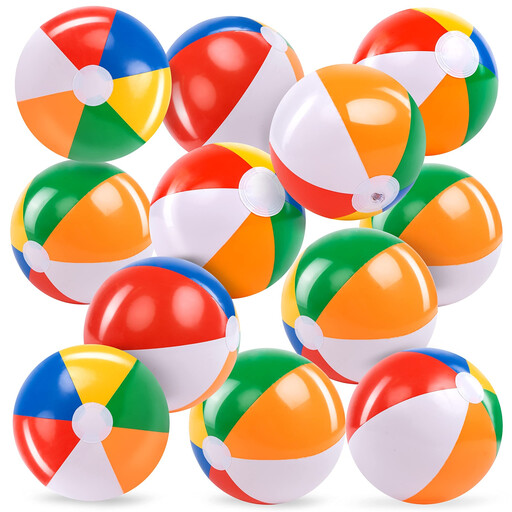
Why This Fits Their Persona: A multi-pack gives families and party organisers several lightweight balls for garden games, beach trips and children’s birthday gifts.
The 12-inch inflatable format is easy to grip and deflate for transport. Buyers should still use an air pump where possible and keep the balls away from sharp surfaces.
12 inflatable balls; suitable for kicking, bouncing, passing and throwing; listed for children over 36 months.
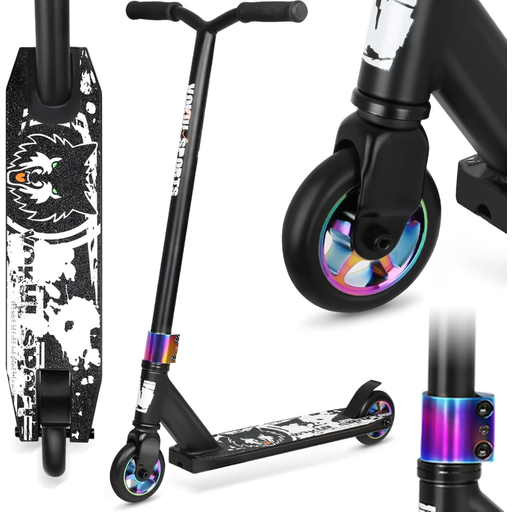
Why This Fits Their Persona: Designed for children from age 6 who want to practise scooter tricks in an appropriate, smooth-surfaced area such as a skate park.
The listing identifies it as a trick scooter rather than a general commuting model, helping buyers match the design to the intended activity.
Aluminium and alloy-steel frame; 100mm solid polyurethane wheels; rear brake; stated 7lb item weight.
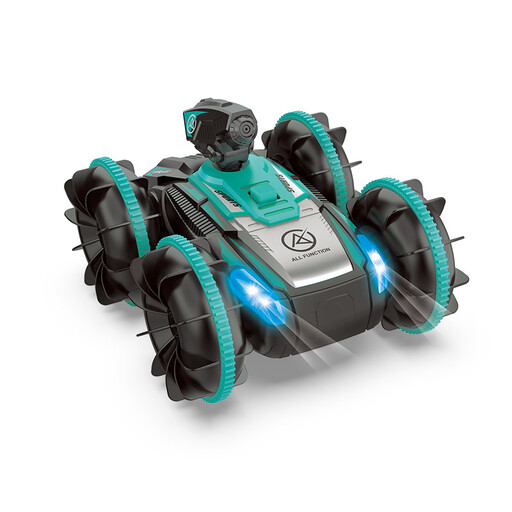
Why This Fits Their Persona: This is suited to older children aged 8 and above who want one RC water toy for land driving, shallow-water play and supervised family competitions.
Its stated land-and-water function is clearer than buying a standard remote-control car for pool use. It still requires shallow water, supervision and careful drying after play.
Handheld and gesture control; 360-degree rotation; LED lights; water-shooting function on land and water.
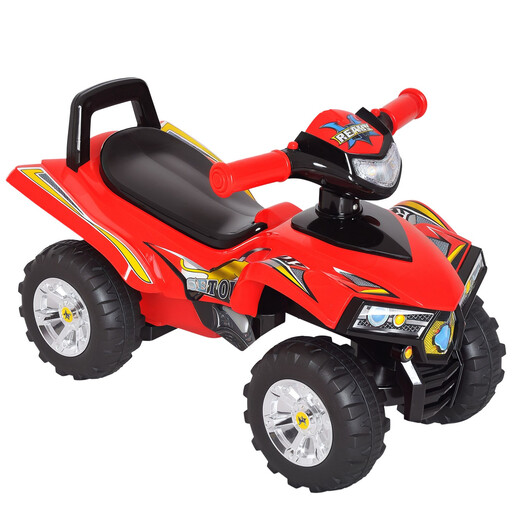
Why This Fits Their Persona: A suitable option for toddlers from 12 months who are learning to steer and move independently on grass or firm ground.
The non-electric, foot-powered design avoids charging requirements. Its low centre of gravity and anti-tipping hardware are listed features, but adult supervision remains necessary.
2.4kg net weight; storage under the seat; horn, music and LED headlight; stated 25kg weight capacity.
We have compiled a complete, real-time list of products that fully satisfy these strict selection criteria and UK safety regulations.
Balls, scooters, pull-back cars, ride-on toys and water blasters can work well in a garden, provided there is enough clear space. Check the ground first for gravel, slopes, wet tiles and other trip hazards. For scooters and ride-on toys, use protective equipment and supervise younger children.
No. Inflatable floats, rings and pool toys are not safety equipment. Children who cannot swim should remain within arm’s reach of a responsible adult in or near water. Check the product’s age guidance and never rely on a toy to prevent drowning.
Clean sand and mud from moving parts, dry water toys before storage, avoid over-inflating inflatables and keep them away from sharp objects. For scooters, inspect the brakes, wheels, grips and bolts regularly. Remove batteries from toys that will not be used for an extended period, following the product instructions.